
 |
EmissionLink has completed FuelEU Maritime pooling submissions for more than 600 vessels in its first compliance cycle, with 90% of shipowners opting to participate in pooling arrangements.
The emissions management service, backed by the Columbia Group, claims FuelEU compliance has evolved beyond regulation to become a commercial optimisation challenge following the inaugural pooling submission.
The process included resolving technical and regulatory issues, including complexities around ice-class vessels, according to the company. EmissionLink said this enabled participating firms to meet their obligations while retaining commercial flexibility.
The first compliance cycle has changed the structure of the FuelEU pooling market, with pooling activity and outcomes now more visible to shipowners and pooling providers. This has increased competition, particularly as companies holding surplus positions seek to place volumes carried forward from the 2025 cycle.
EmissionLink expects 2026 FuelEU pricing to depend on existing market surplus, the cost of creating new surplus, alternative fuel price movements, and the speed at which companies with deficits secure their compliance position.
While early 2026 pricing has softened as surplus volumes enter the market, EmissionLink cautioned that prices may not remain low throughout the cycle. As the next FuelEU deadline approaches, uncontracted deficit holders may face reduced flexibility, tighter access to surplus, and higher execution risk.
"FuelEU has moved very quickly from theory to commercial reality," said Philippos Ioulianou, managing director at EmissionLink. "For many companies, the challenge was not simply understanding the regulation, but managing the practical steps needed to achieve compliance across fleets, verifiers and pooling counterparties. We are pleased to have delivered a smooth and successful process for our clients, giving them time, clarity and confidence."
EmissionLink expects biofuels to play a growing role in the next phase of FuelEU compliance as availability improves and operators assess the cost of generating surplus against the value available in the pooling market. Bio-LNG may also remain part of the mix, although its use will depend heavily on price levels and the commercial return available from any surplus generated, according to the company.
Ioulianou said the first cycle has demonstrated that FuelEU compliance is no longer simply a regulatory exercise, but a commercial optimisation challenge. As the market matures, smaller and mid-sized fleets may increasingly use targeted fuel strategies and pooling to manage compliance across their own vessels or participate in smaller, more tailored pools.
"FuelEU compliance will become more transparent, more competitive and more strategic in future," said Ioulianou. "The companies that act early, understand their exposure and work with partners who can manage both the regulatory and commercial detail will be best placed to control cost and capture value."
EmissionLink provides an integrated emissions management service covering FuelEU, EU ETS, surplus trading support, fuel strategy consulting, and banking and borrowing advisory.

|
Wind-assisted propulsion 'no longer just a concept', ICS panel says
Shipowners weigh wind power as a practical, low-risk route towards decarbonisation targets. |
|
|
|
||
|
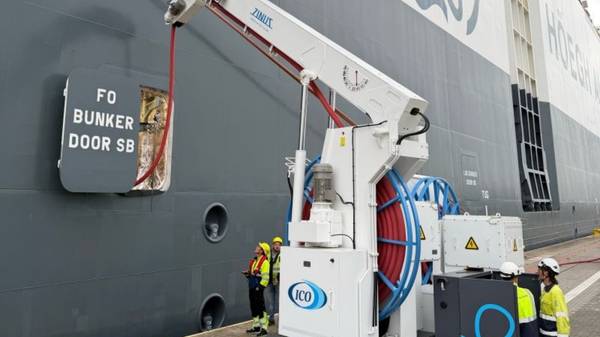
Höegh Autoliners vessel connects to shore power for the first time in Europe
Höegh Starlight used 11 kV shore power in Zeebrugge, allowing it to switch off its auxiliary engines while alongside. |
|
|
|
||
|
Chinese shipbuilder ROC signs deal for up to eight methanol-ready CSOVs
Contract signed with European shipowner for vessels designed for offshore wind farm maintenance work. |
|
|
|
||
|
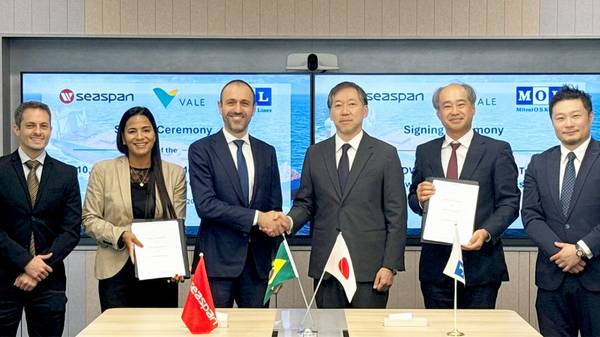
MOL and Vale sign 25-year deal for tri-fuel ore carriers
New vessels will be able to run on ethanol, methanol or heavy fuel oil, offering fuel flexibility. |
|
|
|
||

|
ScanOcean appoints Lars Malmbratt as senior commercial manager
Swedish firm strengthens commercial team with experienced industry executive based in Gothenburg. |
|
|
|
||
|
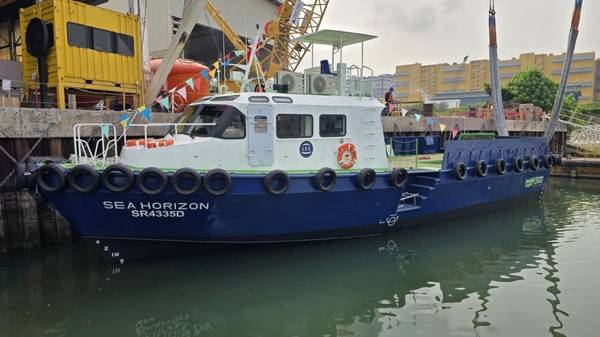
Pinnacle Marine launches second B100-compatible harbour craft for Les Star
Sea Horizon joins Singapore’s harbour craft fleet. |
|
|
|
||
|
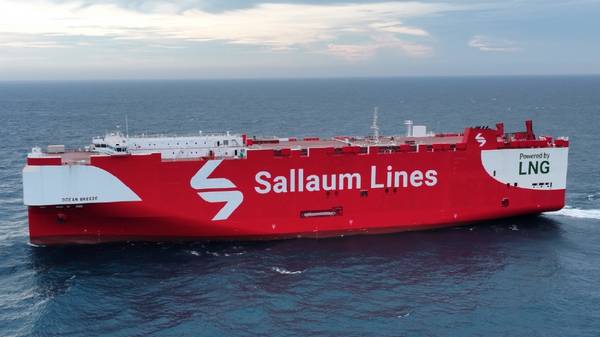
Sallaum Lines orders LNG-fuelled, ammonia-ready PCTCs from Chinese yards
Operator signs shipbuilding agreements for new generation of 8,600-CEU vessels, taking its newbuild investment past $1bn. |
|
|
|
||
|
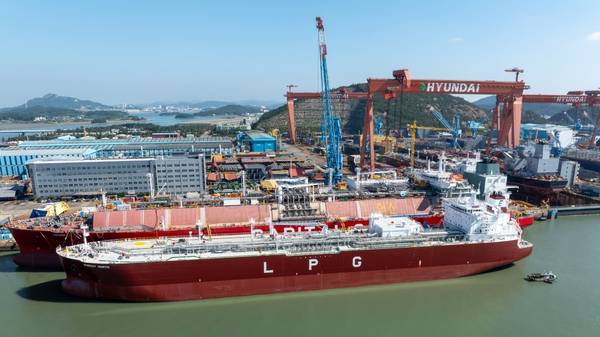
Nakilat takes delivery of dual-fuel carrier in South Korea
Ammonia-ready design positions vessel to play key role in future low-carbon energy supply chains, says Qatari firm. |
|
|
|
||
|
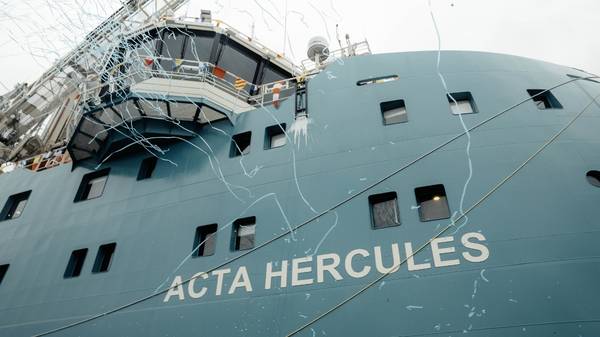
Acta Marine christens methanol dual-fuel vessel Acta Hercules in IJmuiden
Dutch operator marks the christening of its second newbuild CSOV. |
|
|
|
||
|
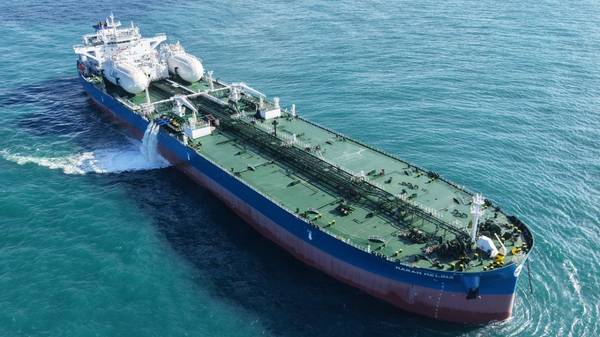
Angelicoussis Group takes delivery of fifth dual-fuel Suezmax tanker
Maran Tankers Management adds the 155,500-DWT Maran Melina to its fleet. |
|
|
|
||
| Wind propulsion offers 'no fundamental barriers' for LNG carriers, study finds [News & Insights] |
| Shipowners risk financial exposure by delaying EU allowance transfers, EmissionLink warns [News & Insights] |
| SEA-LNG urges EU to protect mass-balance pathway for liquefied biomethane [News & Insights] |
| Orlen and Port of Gdynia partner to explore LNG and bio-LNG bunkering options [News & Insights] |
| EmissionLink urges demand aggregation to unlock zero-emission fuel investment [News & Insights] |
