
 |
Shipping companies are facing increasing complexity as decarbonisation policies begin to translate emissions targets into direct financial impacts, according to a survey commissioned by Wärtsilä Corporation.
The study, based on responses from 225 senior maritime executives, found that nearly 70% of participants said uncertainty is limiting their ability to prioritise investments. A further 42% identified balancing decarbonisation spending with acceptable returns as a key challenge.
Despite this, more than 90% of respondents expressed confidence in their ability to navigate the energy transition and adapt to evolving market conditions.
The findings, published in Wärtsilä’s report 'At the helm in shipping — how to navigate regulation, risk and ROI,' highlight growing uncertainty around fuel pathways, regulatory developments, talent retention and technology choices. These factors are complicating long-term decision-making for shipowners and operators.
The report indicates that regulatory measures such as the EU emissions trading system and FuelEU Maritime are increasingly linking emissions performance to financial outcomes. As a result, decisions around fuel selection, investment timing and asset utilisation are being made under greater pressure from compliance requirements, fuel price volatility and shifting technology options.
Wärtsilä noted that postponing decisions is not considered a viable approach. Instead, the report suggests building flexibility into investment strategies to allow operators to adapt as the regulatory and fuel landscape evolves.
It also highlights the role of closer collaboration between shipowners and equipment manufacturers, which can provide access to operational data, technical expertise and lifecycle insights to support more informed decision-making.
Roger Holm, President of Wärtsilä Marine and Executive Vice President at Wärtsilä Corporation, said: “Maritime leaders remain confident in their ability to adapt to the energy transition, but the decisions they face are becoming more complex. With tighter regulation and evolving fuel choices reshaping investment decisions, shipowners and operators cannot wait.”
He added: “They need to take proactive steps now - prioritising data, collaboration and future-proof solutions to protect competitiveness over the long term. Ultimately, the most resilient operators are those preparing for multiple pathways - creating flexibility today so they can respond quickly as the regulatory and fuel landscape develops.”
The report concludes that as environmental frameworks continue to evolve, improving vessel efficiency and operational performance will remain critical to managing compliance risks and maintaining returns on investment.
|
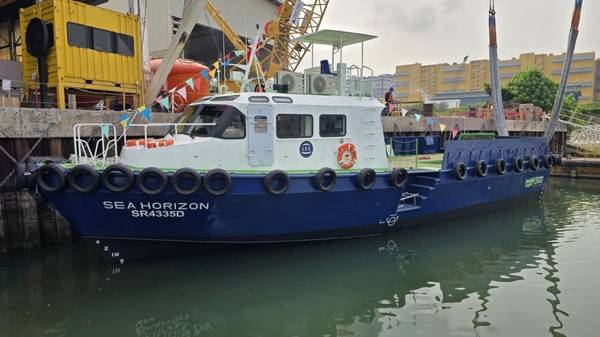
Pinnacle Marine launches second B100-compatible harbour craft for Les Star
Sea Horizon joins Singapore’s harbour craft fleet. |
|
|
|
||
|
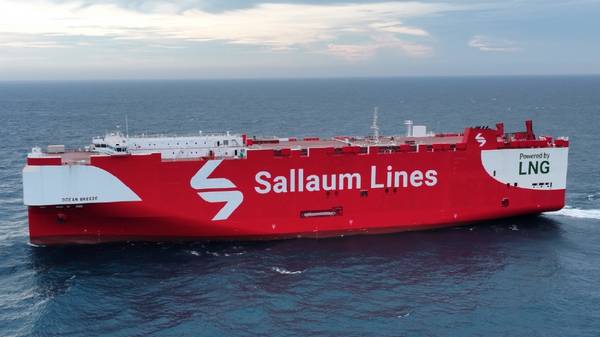
Sallaum Lines orders LNG-fuelled, ammonia-ready PCTCs from Chinese yards
Operator signs shipbuilding agreements for new generation of 8,600-CEU vessels, taking its newbuild investment past $1bn. |
|
|
|
||
|
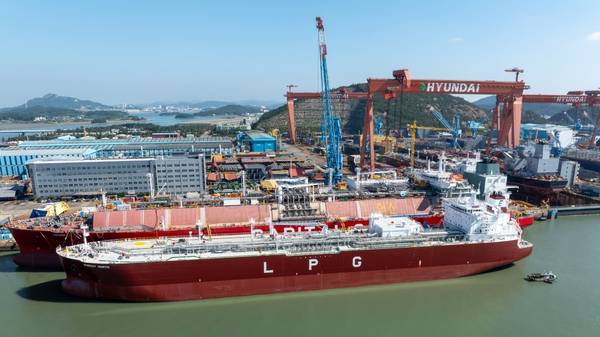
Nakilat takes delivery of dual-fuel carrier in South Korea
Ammonia-ready design positions vessel to play key role in future low-carbon energy supply chains, says Qatari firm. |
|
|
|
||
|
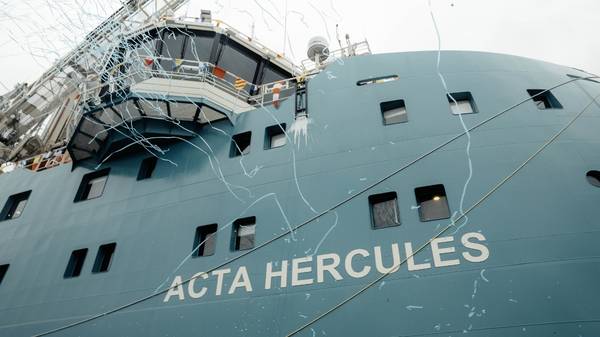
Acta Marine christens methanol dual-fuel vessel Acta Hercules in IJmuiden
Dutch operator marks the christening of its second newbuild CSOV. |
|
|
|
||
|
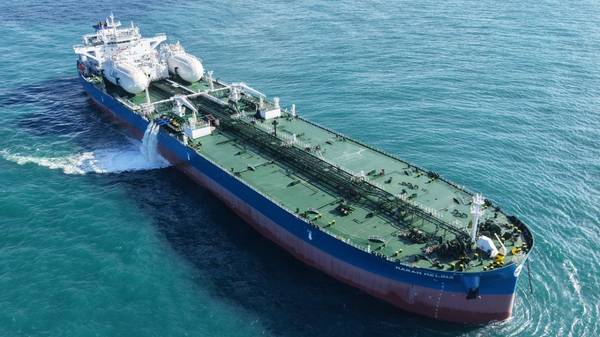
Angelicoussis Group takes delivery of fifth dual-fuel Suezmax tanker
Maran Tankers Management adds the 155,500-DWT Maran Melina to its fleet. |
|
|
|
||
|
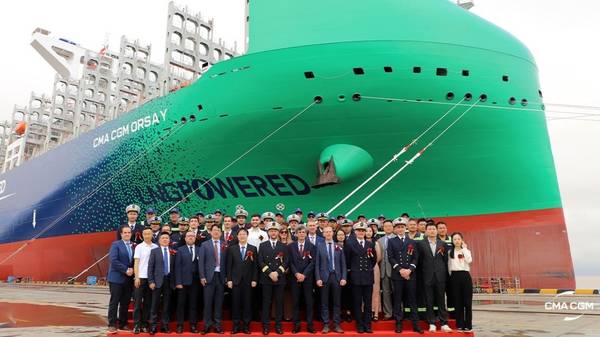
CMA CGM takes delivery of LNG-powered Orsay for Asia-Europe trade
24,212-TEU vessel joins 10-ship series, adding capacity to the carrier's FAL3 route. |
|
|
|
||
|
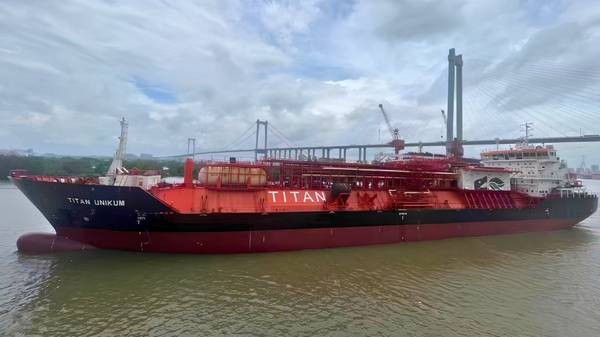
Titan Clean Fuels completes 15-year survey on LNG bunkering vessel Titan Unikum
Multi-gas carrier has undergone dry-docking work at a Chinese yard, preparing it for future upgrades. |
|
|
|
||
|
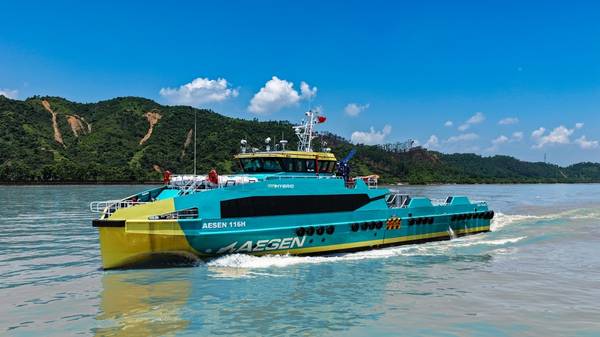
Lehmann Marine’s CUBE battery system debuts in China aboard hybrid crew boat
German battery maker’s first Chinese installation targets fuel savings on a Cheoy Lee-built vessel for a Singapore operator. |
|
|
|
||

|
Iino Lines secures transition loan from Mizuho Bank for LPG dual-fuel VLGC
Japanese shipowner finances the acquisition of Lumi Aurora through a green transition finance framework aligned with ICMA guidelines. |
|
|
|
||
|
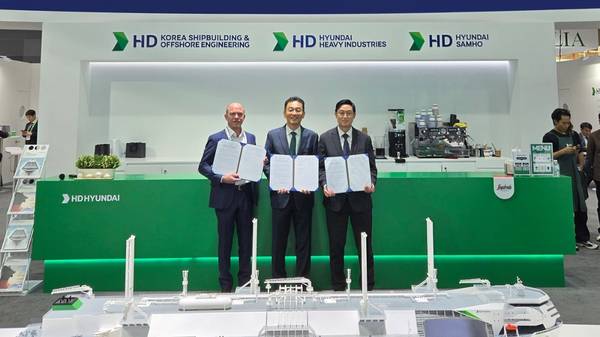
ABS, HD KSOE and Siemens partner on digital twin technology for ammonia-fuelled ship safety
Three firms will combine CFD analysis and digital twin technology to assess ammonia leak scenarios in vessel design. |
|
|
|
||
| Four firms partner to trial continuous emissions monitoring on LNG carrier [News & Insights] |
| Wind propulsion offers 'no fundamental barriers' for LNG carriers, study finds [News & Insights] |
| Shipowners risk financial exposure by delaying EU allowance transfers, EmissionLink warns [News & Insights] |
| SEA-LNG urges EU to protect mass-balance pathway for liquefied biomethane [News & Insights] |
| SEA-LNG urges EU to protect mass-balance pathway for liquefied biomethane [News & Insights] |
