
 |
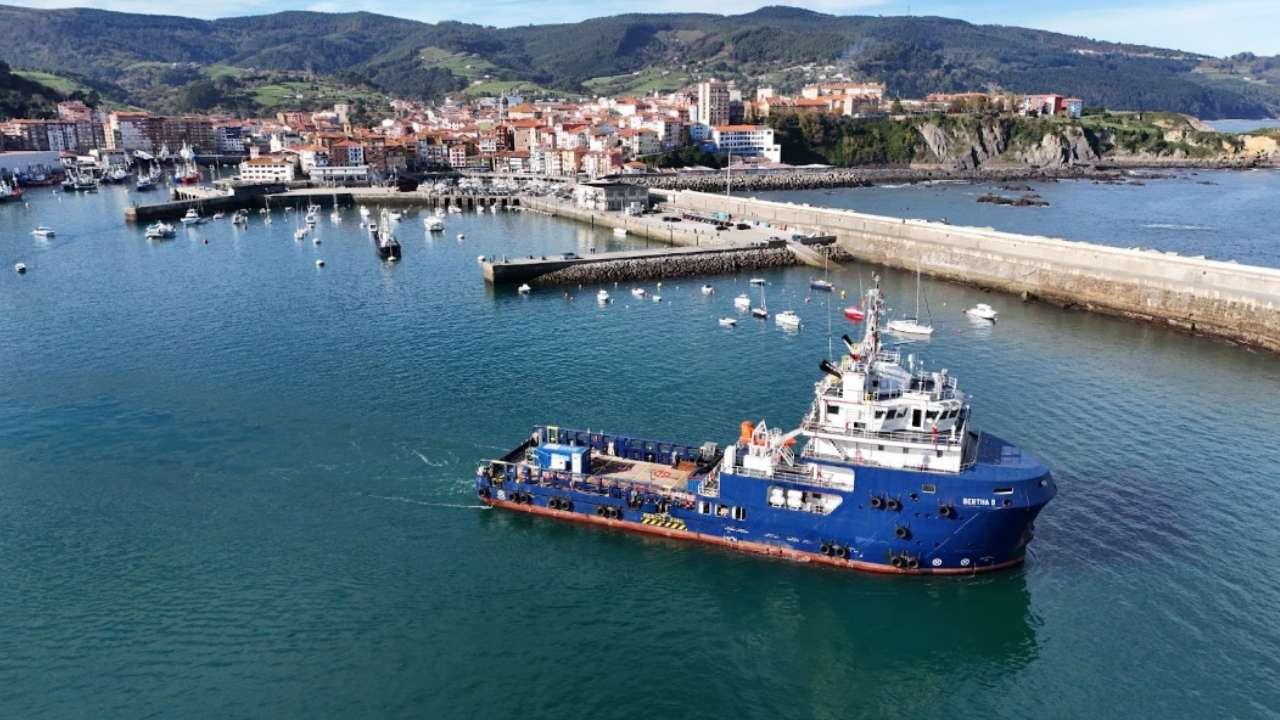
H2SITE has explained the reason for its decision to establish a Norwegian subsidiary in Bergen as part of its strategy to accelerate the deployment of its ammonia-to-hydrogen technology for maritime applications.
The Spanish company, founded in Bilbao in 2020, develops onboard ammonia cracking systems that enable vessels to produce high-purity hydrogen directly from stored ammonia. The technology is intended to support ammonia-based propulsion and the adoption of fuel cells by efficiently converting ammonia back into hydrogen during operations.
"When we evaluated where to expand, Bergen stood out as the obvious choice for our maritime ambitions," said Tomás Crespo, Maritime Business Development Manager responsible for Norwegian operations at H2SITE. "I firmly believe Bergen and Norway represent the fastest path for H2SITE to achieve commercial-scale adoption in the maritime sector."
H2SITE plans to work closely with Norwegian shipowners, shipyards and technology partners to adapt its systems to real vessel profiles and operating conditions. The company identified RoRo vessels, bulk carriers, platform supply vessels and tankers as key segments facing technical challenges with direct ammonia combustion, particularly at low loads.
According to H2SITE, onboard cracking allows shipowners to benefit from liquid ammonia storage and established logistics while producing hydrogen to improve combustion performance and enable fuel cells for auxiliary or full propulsion power.
The company said it has accumulated more than 6,000 operational hours on ammonia cracking systems, including continuous operation, and has developed maritime-focused projects such as H2Ocean and APOLO.
Bergen brings shipowners, designers, offshore operators and technology suppliers into close proximity, according to the company. "Here we find all players aligned with our target market," Crespo noted. "And we have proximity to key platform supply vessel and short-sea fleets for rapid pilot deployment and operational learning."
The city is positioned as a gateway to Norway's west coast energy corridor, where offshore wind development, hydrogen production and maritime logistics converge.
"The technology is proven; the priority now is implementation of the product and operational learning," said Crespo. "We are looking to work with Norwegian shipowners and shipyards that want to take a measured, forward-looking approach to decarbonisation."
Regulatory measures, including FuelEU Maritime and the EU Emissions Trading System, are already influencing investment decisions, while IMO frameworks continue to evolve, reinforcing interest in low- and zero-carbon fuel pathways.
H2SITE said its Norwegian base will focus on pilot and demonstration projects over the coming year, gathering operational data and refining systems in cooperation with the local maritime industry.
|
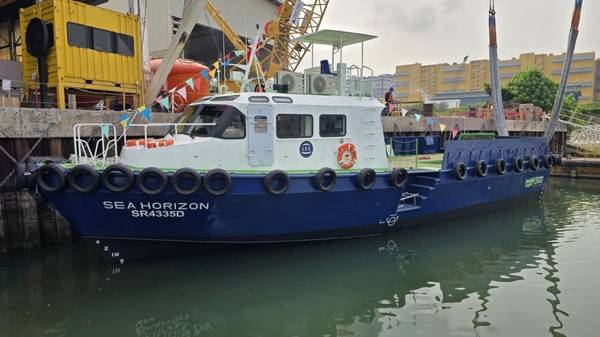
Pinnacle Marine launches second B100-compatible harbour craft for Les Star
Sea Horizon joins Singapore’s harbour craft fleet. |
|
|
|
||
|
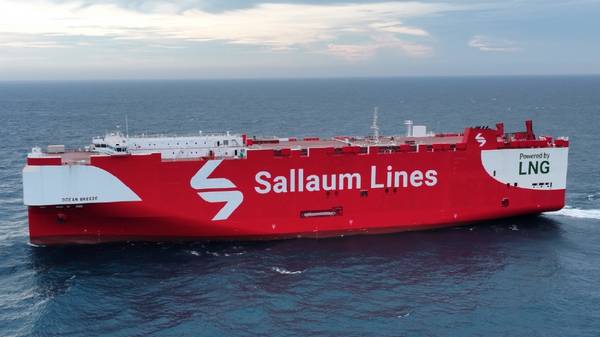
Sallaum Lines orders LNG-fuelled, ammonia-ready PCTCs from Chinese yards
Operator signs shipbuilding agreements for new generation of 8,600-CEU vessels, taking its newbuild investment past $1bn. |
|
|
|
||
|
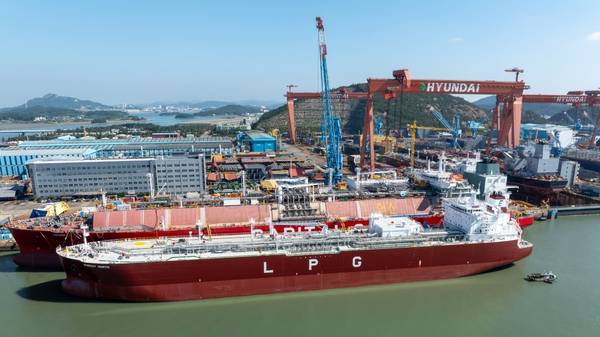
Nakilat takes delivery of dual-fuel carrier in South Korea
Ammonia-ready design positions vessel to play key role in future low-carbon energy supply chains, says Qatari firm. |
|
|
|
||
|
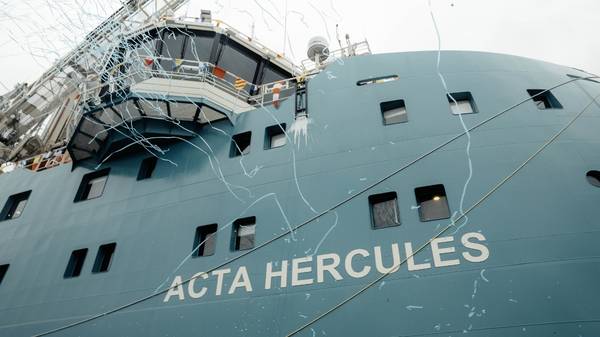
Acta Marine christens methanol dual-fuel vessel Acta Hercules in IJmuiden
Dutch operator marks the christening of its second newbuild CSOV. |
|
|
|
||
|
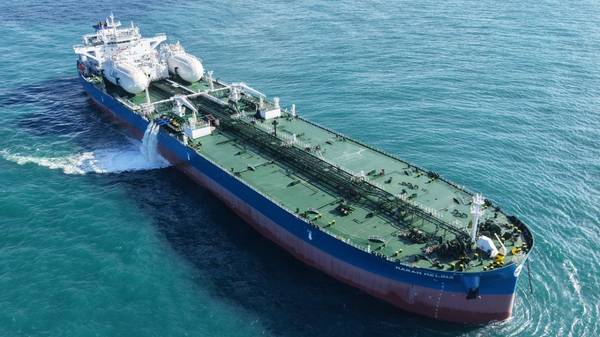
Angelicoussis Group takes delivery of fifth dual-fuel Suezmax tanker
Maran Tankers Management adds the 155,500-DWT Maran Melina to its fleet. |
|
|
|
||
|
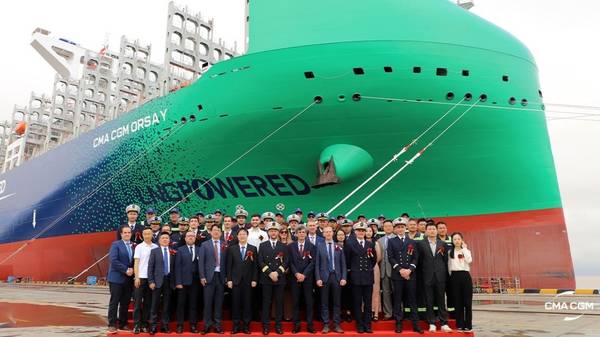
CMA CGM takes delivery of LNG-powered Orsay for Asia-Europe trade
24,212-TEU vessel joins 10-ship series, adding capacity to the carrier's FAL3 route. |
|
|
|
||
|
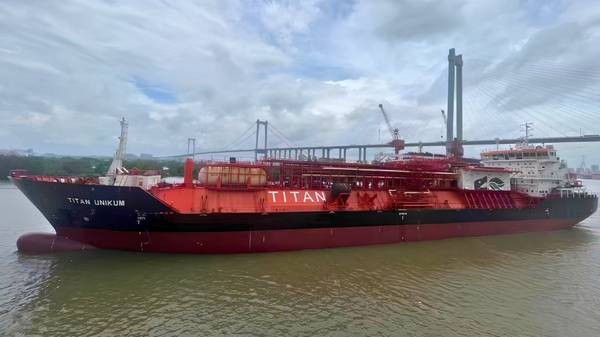
Titan Clean Fuels completes 15-year survey on LNG bunkering vessel Titan Unikum
Multi-gas carrier has undergone dry-docking work at a Chinese yard, preparing it for future upgrades. |
|
|
|
||
|
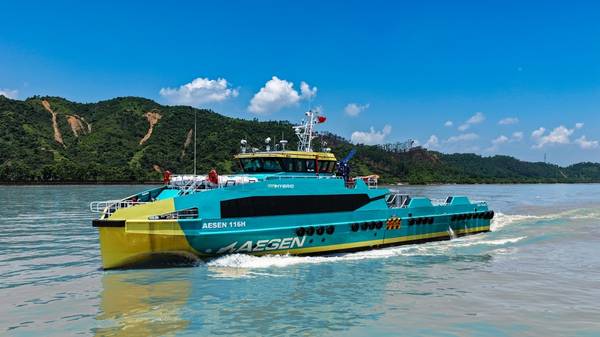
Lehmann Marine’s CUBE battery system debuts in China aboard hybrid crew boat
German battery maker’s first Chinese installation targets fuel savings on a Cheoy Lee-built vessel for a Singapore operator. |
|
|
|
||

|
Iino Lines secures transition loan from Mizuho Bank for LPG dual-fuel VLGC
Japanese shipowner finances the acquisition of Lumi Aurora through a green transition finance framework aligned with ICMA guidelines. |
|
|
|
||
|
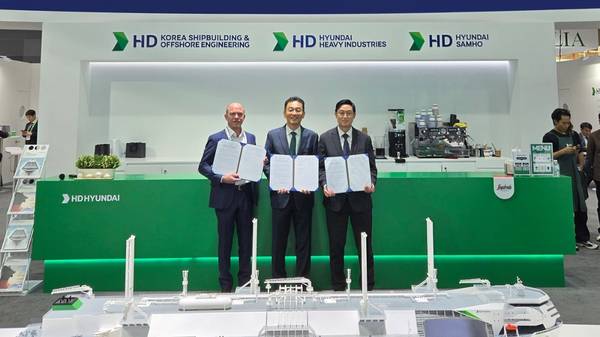
ABS, HD KSOE and Siemens partner on digital twin technology for ammonia-fuelled ship safety
Three firms will combine CFD analysis and digital twin technology to assess ammonia leak scenarios in vessel design. |
|
|
|
||
| IACS publishes unified requirement for ammonia release mitigation systems [News & Insights] |
| Wärtsilä to supply ammonia engine for Skarv Shipping newbuild in China [News & Insights] |
| H2SITE launches Norwegian subsidiary to advance ammonia-to-power technology for maritime sector [News & Insights] |
| Why batteries still cannot power ships across oceans [News & Insights] |
| Wind propulsion offers 'no fundamental barriers' for LNG carriers, study finds [News & Insights] |
| Shipowners risk financial exposure by delaying EU allowance transfers, EmissionLink warns [News & Insights] |
| WinGD wins order for dual-fuel alcohol engines for Polaris Shipping Newcastlemax fleet [News & Insights] |
| SEA-LNG urges EU to protect mass-balance pathway for liquefied biomethane [News & Insights] |
