
 |
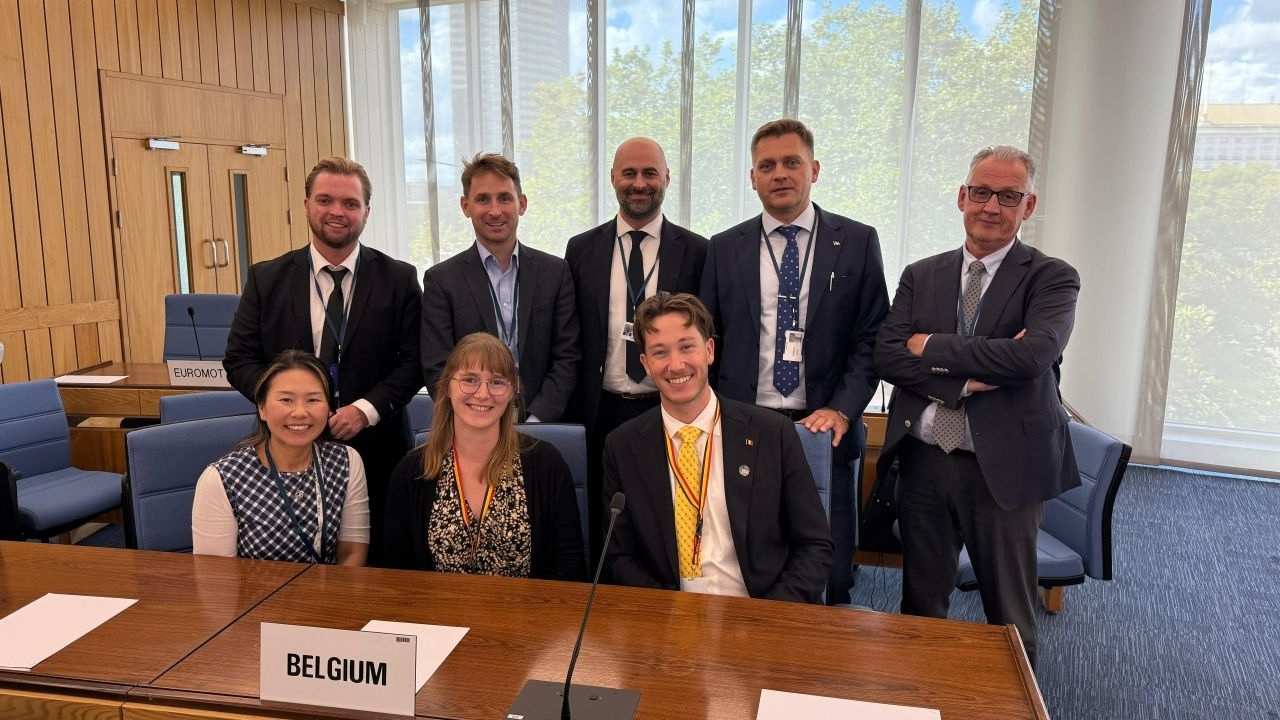
Lloyd’s Register (LR), Exmar, and Belgium’s Federal Public Service (FPS) for Mobility and Transport have jointly developed interim guidelines that will allow ammonia cargo to be used as fuel on gas carriers. The guidelines, finalised at the IMO’s Sub-Committee on the Carriage of Cargoes and Containers (CCC 11), are expected to receive formal approval at MSC 111 in May 2026.
Work on enabling ammonia cargo consumption began more than two years ago, when Belgium’s FPS Mobility and Transport, supported by LR and Exmar, secured an amendment to the Code for the Construction and Equipment of Ships Carrying Liquefied Gases in Bulk (IGC Code). The amendment removed restrictions that had previously prevented ammonia from being used as fuel on gas carriers certified under the code.
The three organisations developed the initial draft of the interim guidelines, which were then refined through a correspondence group process involving IMO member states. The framework is intended to provide a recognised regulatory pathway for shipowners and operators pursuing ammonia-fuelled vessel designs, balancing safety requirements with operational flexibility.
Claudene Sharp-Patel, Global Technical Director at LR, commented: "This collaboration shows what's possible when industry leaders, regulators, and technical experts come together to enable change. LR has been involved in ammonia-as-fuel projects from their earliest stages through to realisation. The deep knowledge and expertise we've developed directly benefit our clients as they look to decarbonise their fleets. Being part of this pioneering work reinforces LR's position as a trusted advisor and innovation leader in the maritime energy transition."
Kristof Coppé, director of fleet operations and technical business development at Exmar, said: "Exmar's journey toward ammonia as a marine fuel began in 2021, when our company received Approval in Principle from Lloyd's Register for an ammonia-fueled mid-size gas carrier. Using our own cargo as fuel has long been a strategic priority for Exmar, a commitment previously demonstrated through our pioneering adoption of LPG as a propulsion fuel. Ammonia now marks the next step forward, offering the added benefit of reducing direct CO₂ emissions by up to 90 percent."
Coppé added: "Our close collaboration with Lloyd's Register and FPS Mobility in Belgium has been instrumental throughout this process. Their support, particularly on the regulatory front, has been a cornerstone in advancing this project toward success."
Nathalie Deleuze, maritime expert for alternative fuels at FPS Mobility and Transport of Belgium, remarked: "Decarbonisation is a key priority for Belgium. At the FPS Mobility and Transport, we're committed to facilitating the shift toward alternative fuels. To make this happen, we combined our expertise in IMO processes with the technical know-how of pioneering Belgian shipowners and Lloyd's Register. Together, we're charting the course toward a cleaner future."
LR has also published Fuel for Thought: Ammonia, a technical reference covering the use of ammonia in shipping, including safety considerations, adoption drivers, supply chain factors and technology readiness. The report forms part of LR’s wider Fuel for Thought series on alternative marine fuels, which provides analysis on emerging technologies and policy developments.

|
Japan Engine completes land-based testing of landmark hydrogen-fuelled engine for large vessels
Hydrogen co-firing rate of at least 95% achieved during factory testing. |
|
|
|
||
|
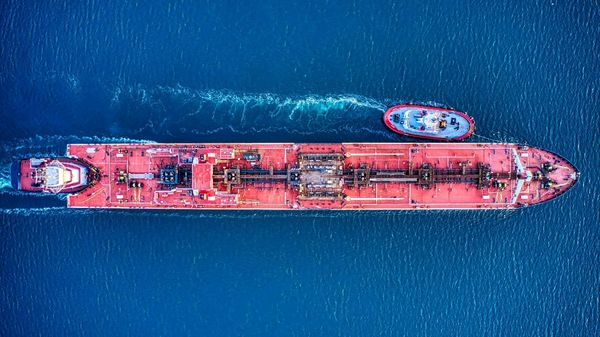
Ethanol edges into shipping’s fuel mix as methanol crossover eases adoption barriers
Rising interest from cargo owners, shared technology with methanol and Brazilian production growth push ethanol beyond regional niche status. |
|
|
|
||
|
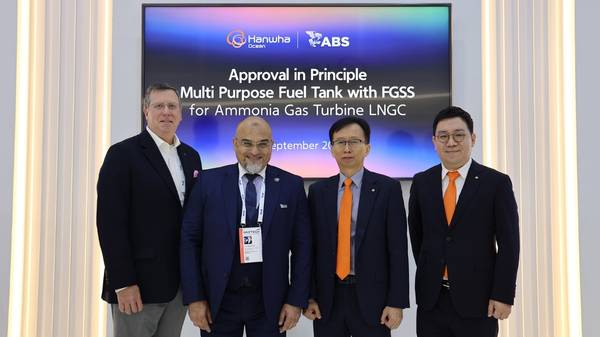
ABS grants Hanwha Ocean approval for dual-fuel tank enabling LNG-to-ammonia switch
In-principle approval awarded for fuel tank and supply system enabling LNG carriers to convert to ammonia without replacement. |
|
|
|
||
|
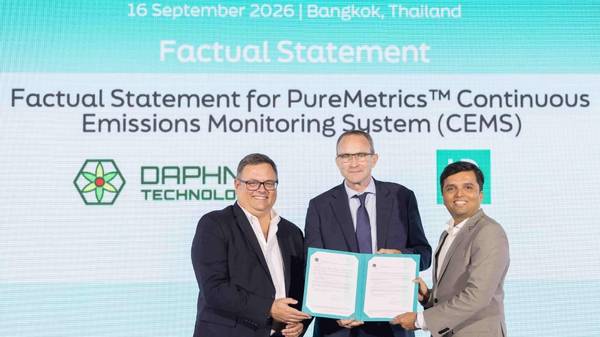
Lloyd's Register confirms suitability of Daphne Technology's emissions monitoring system
Factual Statement validates the PureMetrics design for monitoring greenhouse gas emissions from marine engines. |
|
|
|
||

|
IMO issues shipboard biofuel blend checklist developed by IBIA
Checklist for FAME-based biofuels formally incorporated into IMO document, supporting crews handling biofuel blends for the first time. |
|
|
|
||
|
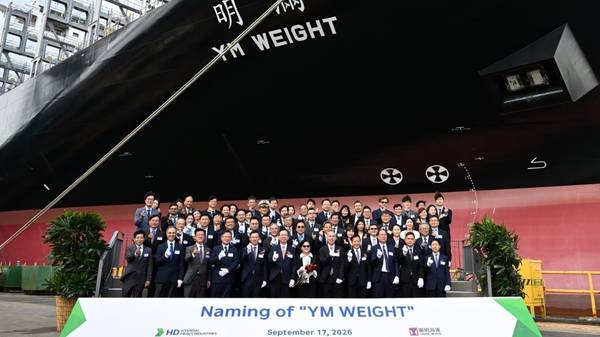
Yang Ming names fourth LNG dual-fuel container vessel YM Weight
Newbuild features high-pressure dual-fuel main engines capable of running on either LNG or low-sulphur fuel oil. |
|
|
|
||
|
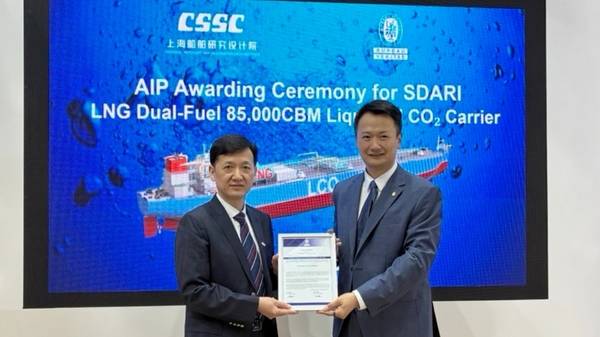
Bureau Veritas grants AiP to SDARI’s LNG dual-fuel liquefied CO₂ carrier design
Classification society approves 85,000-cbm vessel concept designed to support the growing carbon capture and storage sector. |
|
|
|
||

|
JuWonOil looking to strengthen with two Houston hires
Texas-based firm is recruiting a marine lubricants sales executive and a marine fuels and distillates trader. |
|
|
|
||
|
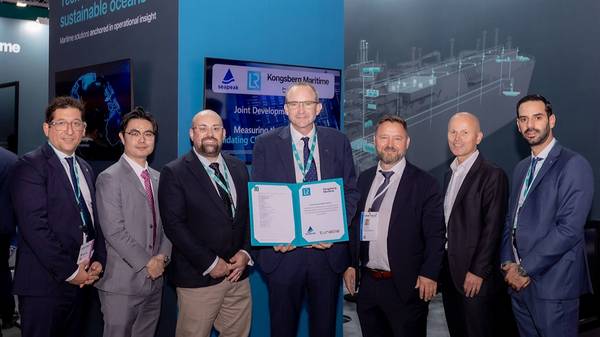
Four firms partner to trial continuous emissions monitoring on LNG carrier
LR, Seapeak, Kongsberg Maritime and Tunable will test onboard CO₂ monitoring against engine data and default emissions factors. |
|
|
|
||

|
Bunker Holding reshuffles commercial leadership across brand portfolio
Appointments announced across KPI OceanConnect, Glander International Bunkering and its digital sales operations. |
|
|
|
||
| ClassNK updates methanol fuel guidelines as alcohol-fuelled ship orders rise [News & Insights] |
| IMO issues training guidelines for seafarers on alternative fuels [News & Insights] |
| Lloyd's Register confirms suitability of Daphne Technology's emissions monitoring system [News & Insights] |
| IMO issues shipboard biofuel blend checklist developed by IBIA [News & Insights] |
| Four firms partner to trial continuous emissions monitoring on LNG carrier [News & Insights] |
| Lloyd's Register grants design appraisal for wind-powered LNG carrier concept [News & Insights] |
| Lloyd’s Register grants approval in principle to Babcock LGE’s ecoAPEX cargo-handling technology [News & Insights] |
