
 |
Ports should begin structured planning for advanced nuclear technology now, treating it as a long-term infrastructure and operating-model question rather than simply a new marine fuel, according to a joint paper published on 22 October by the British Ports Association (BPA) and Lloyd's Register (LR).
The paper, titled Advanced Nuclear Technology Use Within Port Environments, outlines how nuclear could support ports' demand for reliable, low-carbon power while creating maritime and industrial opportunities. Potential applications identified in the report include nuclear-powered ship calls, floating or transportable nuclear power units, and land-based small modular reactors or microreactors to power port operations and support fuel production.
According to the paper, the most significant barriers to adoption are not solely technical. Regulatory alignment, governance, emergency preparedness, liability, insurance, workforce capability and public confidence will all be factors in safe and commercially viable deployment, the report states.
The BPA and LR call on ports to integrate nuclear scenarios into their established marine safety management systems, rather than create a parallel regime. They argue that existing disciplines used to manage dangerous goods, hazardous cargoes, security zones and high-consequence operations provide a foundation, but say these will need additional nuclear-specific evidence, competence, monitoring and regulatory interfaces.
For ports, the opportunity extends beyond accommodating nuclear-powered vessels, the report suggests. Advanced reactors could provide baseload electricity for port estates, shore power, cargo-handling equipment, cold storage and neighbouring industry, as well as heat and electricity for hydrogen and synthetic fuel production, according to the paper. Ports could also develop capabilities in shipbuilding, reactor-module integration, inspection, maintenance, specialist logistics and decommissioning.
Mark Tipping, global offshore power-to-X director at Lloyd's Register, commented: "Advanced nuclear has the potential to transform ports from energy consumers into resilient, low-carbon energy and industrial hubs. But realising that opportunity will depend on more than technology alone. Ports need to further assess governance, proportionate assurance and early collaboration across the maritime and nuclear sectors. By starting that work now, port leaders can build the evidence, capability and public confidence needed to make informed decisions as the market develops."
Richard Ballantyne, chief executive at BPA, stated: "For ports, the opportunities for advanced nuclear go beyond receiving a nuclear-powered ship. They are already planning for significant changes in energy demand, infrastructure and the vessels they serve. Advanced nuclear may not be the right solution for every port, but it is important that the sector understands the potential applications and starts asking the right questions early on."
The paper proposes a tiered readiness model, enabling each port to adopt a proportionate level of ambition — from becoming "nuclear-aware", with the ability to assess enquiries and engage authorities, through to "nuclear-ready" and "nuclear-enabled", or ultimately operating as a nuclear energy hub.
Recommended no-regret actions set out in the report include mapping stakeholders, assessing future energy demand and grid constraints, engaging regulators early and preparing evidence-led communications for workforces and local communities.
The report also sets out a staged pathway from initial orientation and feasibility assessment through to development and delivery. This is designed, the authors say, to help ports build evidence and confidence before committing major capital, while recognising that advanced nuclear will not be appropriate for every location.
International regulation remains a challenge identified in the paper. Existing maritime nuclear frameworks predate current advanced reactor designs, while nuclear and maritime safety regimes are often insufficiently integrated, the report notes. It highlights the need for ports, governments, regulators, classification societies, insurers and technology developers to work together to clarify responsibilities and shape national and international approaches.
The paper references recent port-focused work, including the assessment of a nuclear-powered feeder containership calling at the Port of Rotterdam, which it says indicates that nuclear ship calls can be considered through safety themes already familiar to ports, provided nuclear-specific requirements are incorporated systematically.
The BPA and LR conclude that preparation should precede procurement. Ports that begin proportionate planning now, the paper states, will be better placed to make informed investment decisions, maintain public confidence and influence the regulatory and commercial frameworks that will determine nuclear's role in the next generation of maritime infrastructure.
|
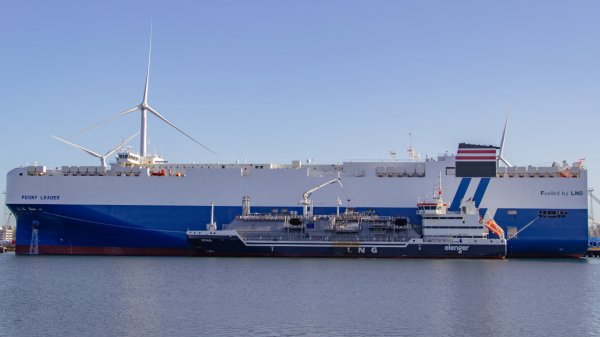
FuelEU pooling drives surge in bio-LNG demand, Titan analysis finds
Clean fuel supplier's modelling shows pooling mechanism turning overcompliance into tradable value for LNG-fuelled ships. |
|
|
|
||
|
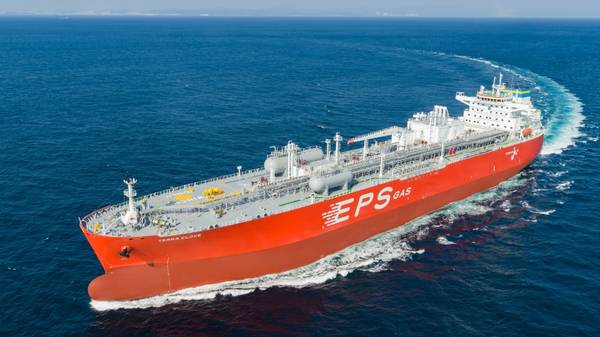
Eastern Pacific Shipping takes delivery of first ammonia dual-fuel VLAC
Terra Clove powered by first Everllence B&W 6G60ME-C10.5-LGIA ammonia dual-fuel two-stroke engine. |
|
|
|
||
|
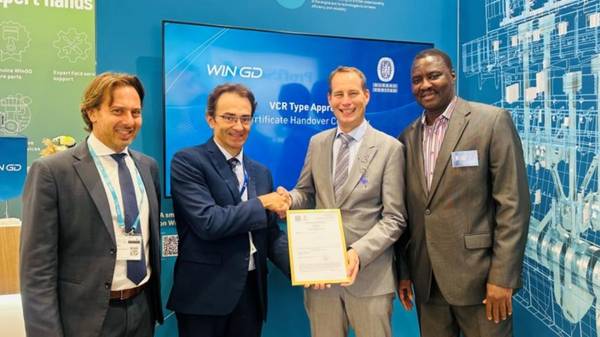
Bureau Veritas approves WinGD's variable compression ratio technology for dual-fuel engines
Classification society grants type approval to engine technology enabling compression ratio adjustment across different marine fuels. |
|
|
|
||
|
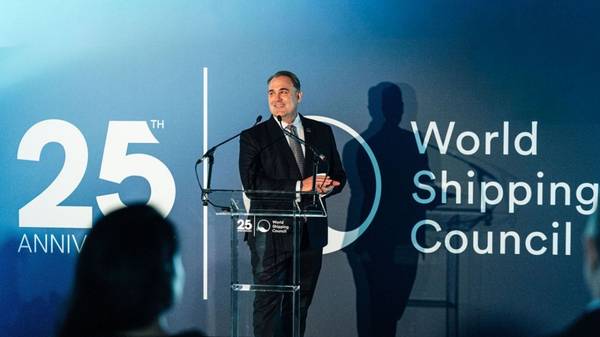
Dual-fuel fleet passes 500 ships as investment tops $200bn
World Shipping Council data shows dual-fuel container ships and vehicle carriers growing fast, with IMO rules uncertain. |
|
|
|
||

|
VPS to host Athens seminar on fuel efficiency and carbon reduction
VPS's final European round table of 2026 will cover marine fuels, lubricants and decarbonisation in Athens. |
|
|
|
||
|
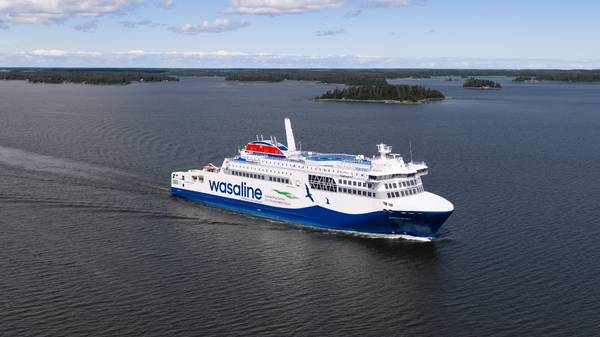
Wasaline secures locally produced biogas supply from St1 Biokraft for Vaasa–Umeå ferry
Agreement will supply 42 GWh of liquefied biogas annually, with deliveries due to start in January 2028. |
|
|
|
||
|
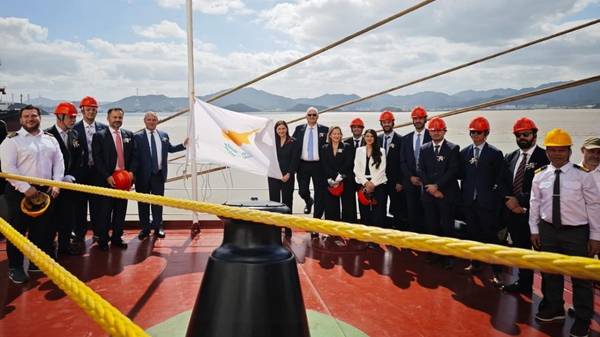
Safe Bulkers takes delivery of first dual-fuel methanol Kamsarmax newbuild
Kypros Island becomes the first dual-fuel bulker to enter the Cyprus Registry. |
|
|
|
||

|
PetroChina seeks LNG bunker trader to expand Asian marine fuel business
Role requires five to ten years of commercial experience in LNG, bunker trading, marine fuels, commodities, or energy trading. |
|
|
|
||
|
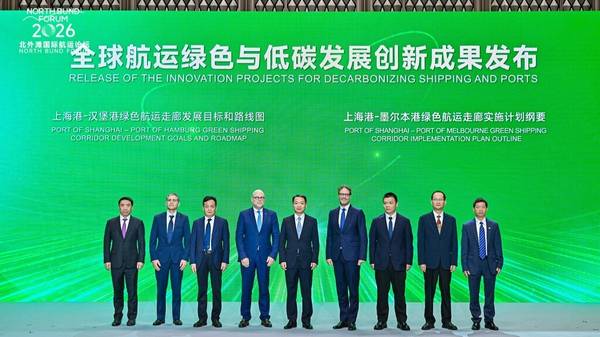
Shanghai and Melbourne ports move green shipping corridor into delivery phase
Ports launch implementation plan targeting green methanol, biofuels and shore power by 2035. |
|
|
|
||

|
WinGD CEO warns of mounting cost due to Net Zero Framework delay
Dominik Schneiter says shipping's fossil-fuelled newbuild boom shows the cost of the IMO's delayed climate policy. |
|
|
|
||
| FuelEU pooling drives surge in bio-LNG demand, Titan analysis finds [News & Insights] |
| Shanghai and Melbourne ports move green shipping corridor into delivery phase [News & Insights] |
| LR publishes retrofit guidance covering alternative fuels and energy-saving devices in one framework [News & Insights] |
| Study finds methanol dual-fuel retrofit of Kamsarmax bulk carrier would take about 75 days [News & Insights] |
| Lloyd's Register, Shell and GTT launch joint project on hybrid-electric 200,000-cbm LNG carrier [News & Insights] |
