|
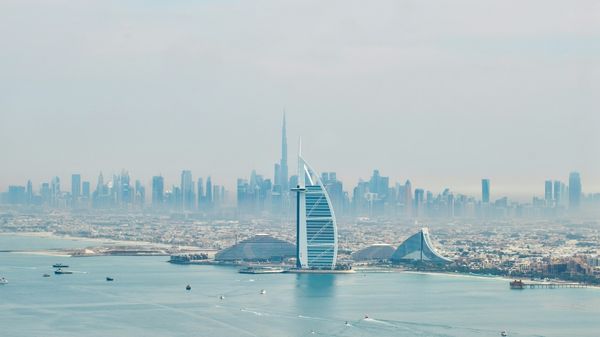
Oilmar seeks senior bunker trader for Dubai office
Experienced trader with proven P&L responsibility sought by UAE-headquartered firm. |
|
|
|
||
|
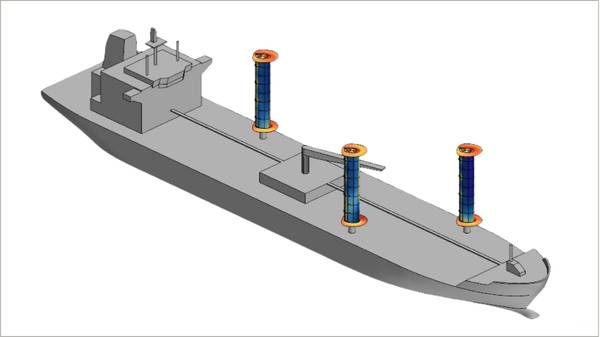
ABS reviews bound4blue’s Pwind calculation methodology for eSAIL wind propulsion systems
Independent review aims to ease regulatory compliance and accelerate adoption of suction sail technology. |
|
|
|
||
|
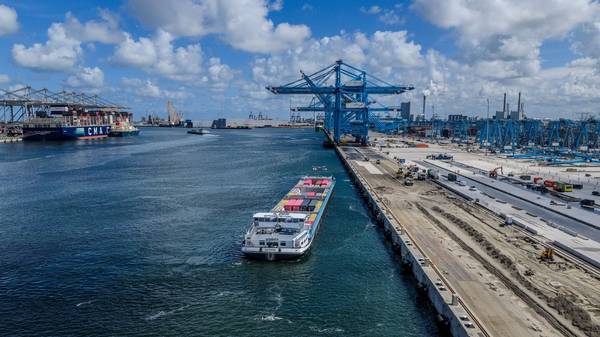
Port of Rotterdam appoints new programme manager for bunkering
Astrid Sonnevelt has a background in renewable products, business development and emissions reduction. |
|
|
|
||
|
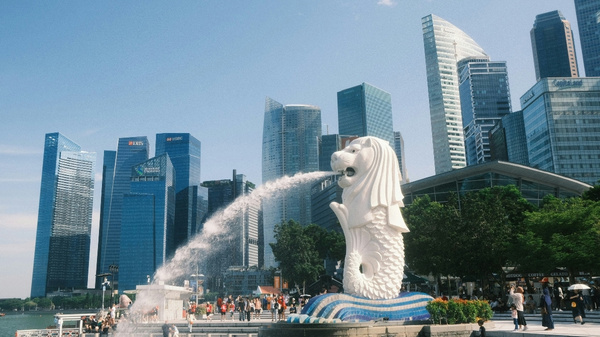
Oilmar seeks bunker trader for Singapore office
Marine fuels trading role open to mid-level and senior-level candidates. |
|
|
|
||
|
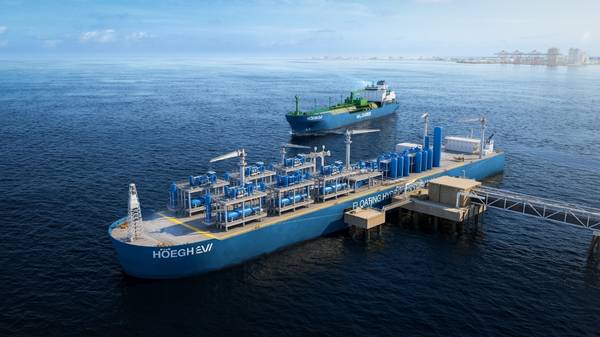
Höegh Evi and Nord Gas Solutions complete ammonia-to-hydrogen cracking tests in Norway
Pilot cracker achieves 99.5% hydrogen purity, supporting floating terminal deployment plans across Europe. |
|
|
|
||
|
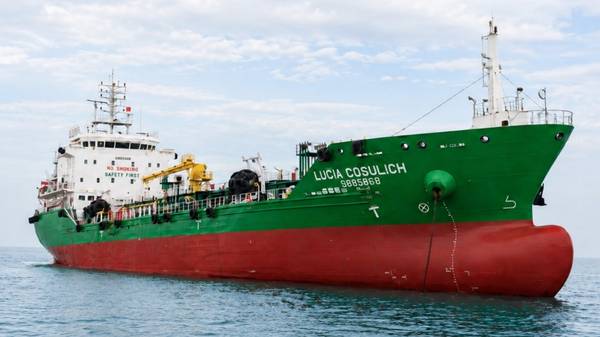
Fratelli Cosulich Marine Energy takes delivery of second methanol-ready bunker tanker
Lucia Cosulich is second of four sister vessels in the group’s fleet expansion programme. |
|
|
|
||
|
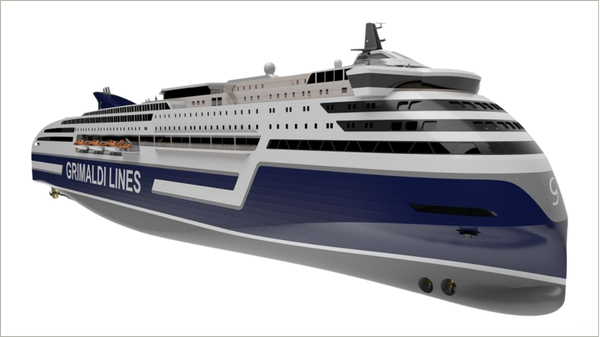
AYK Energy secures nine-vessel battery deal with Grimaldi Group
New ro-pax vessels will feature multi-fuel engines capable of running on methanol. |
|
|
|
||
|
World Fuel hiring Korean-speaking bunker trader for Singapore hub
Bunker trader sought to cover Korea and the wider region. |
|
|
|
||
|
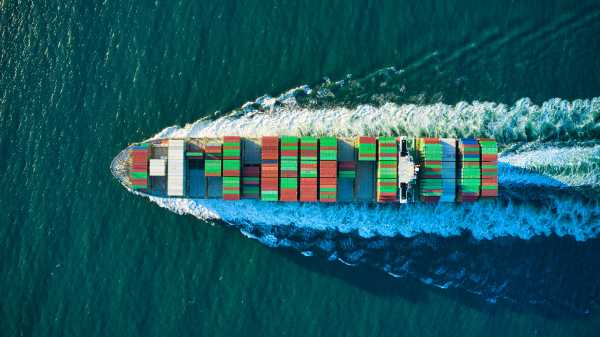
EU ETS 2026 review raises cost predictability concerns for European shippers
European Shippers' Council warns that carbon market reforms could affect logistics planning and competitiveness. |
|
|
|
||
|
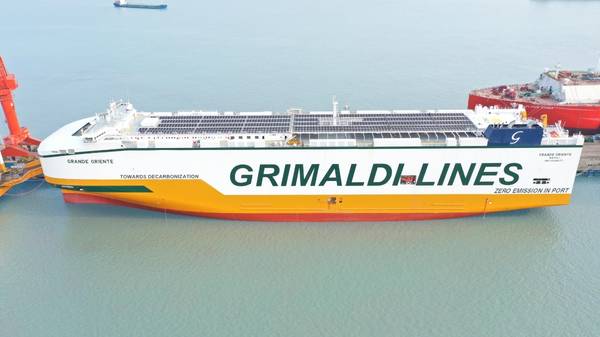
Grimaldi takes delivery of 12th ammonia-ready car carrier Grande Oriente
Naples-based firm says its latest PCTC halves fuel consumption compared with earlier-generation vessels. |
|
|
|
||
| North Sea Port sees biggest LNG bunker delivery to date [News & Insights] |
| Amsterdam doubles top discount for ESI ships that bunker LNG [News & Insights] |
| Fure Vinga bunkers Bio50 LNG in Amsterdam [News & Insights] |
| First LNG bunkering of Fure Vinga in Amsterdam [News & Insights] |
| WinGD claims methanol and ammonia engines ready for commercial deployment as regulatory clarity awaited [News & Insights] |
| Norwegian Car Carriers' LNG dual-fuel, ammonia-ready PCTC is named [News & Insights] |
| PetroChina International seeks bunker trader for London or Rotterdam role [News & Insights] |
| Viroque Energy begins physical bunkering operations at Port of Seville [News & Insights] |
| LNG remains the most deployable decarbonisation option for cruise shipping, Lloyd’s Register report finds [News & Insights] |