
|
MTF issues safety management guidelines for methanol-fuelled ships
New MTF report offers recommendations for developing and strengthening safety management systems for methanol as a fuel. |
|
|
|
||
|
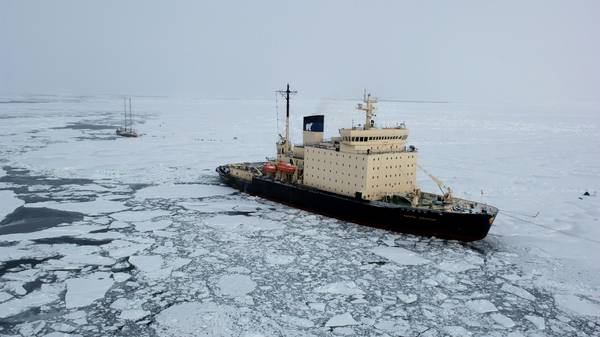
European shipowners call for permanent EU ETS derogations for islands, outermost regions and ice-classed vessels
ECSA urges the European Commission to extend maritime ETS exemptions beyond 2030 ahead of directive revision. |
|
|
|
||
|
Compliance pooling could help unlock investment in zero-emission marine fuels, says Getting to Zero Coalition
A new insight brief argues pooling models must evolve to support long-term e-fuels offtake. |
|
|
|
||
|
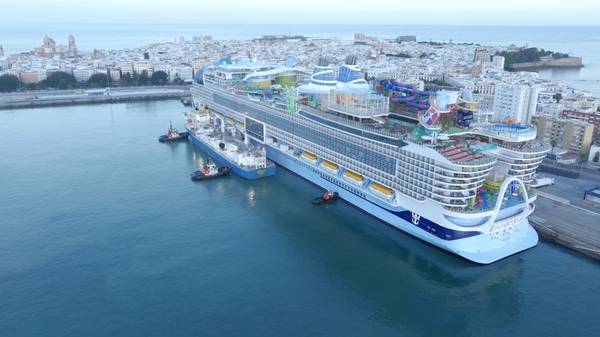
Peninsula performs maiden bio-LNG delivery in Cádiz
Bunker firm has now supplied all three of Royal Caribbean Group’s Icon-class vessels with bio-LNG. |
|
|
|
||
|
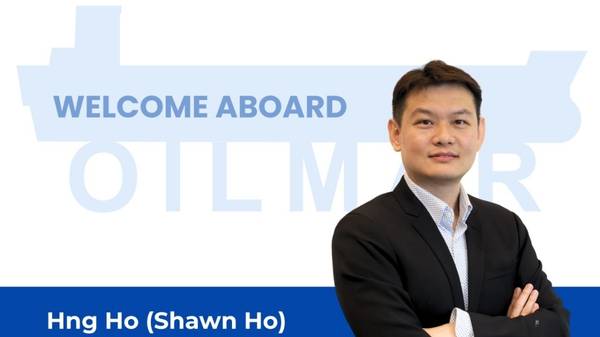
Oilmar appoints Shawn Ho as senior manager for business development and bunker trading in Singapore
Marine fuel seller hires experienced industry professional to bolster its Singapore operations. |
|
|
|
||
|
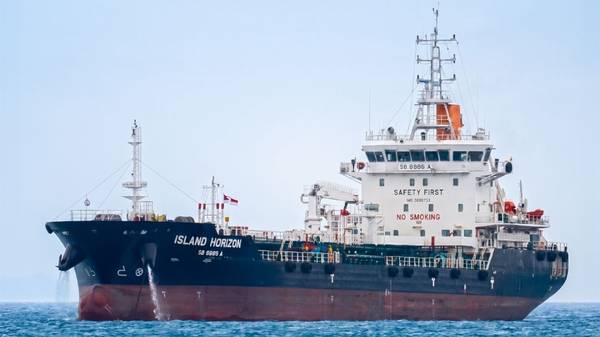
Island Oil expands fleet with acquisition of two tankers for Mediterranean operations
Island Polaris and Island Horizon join bunker firm's fleet of vessels. |
|
|
|
||
|
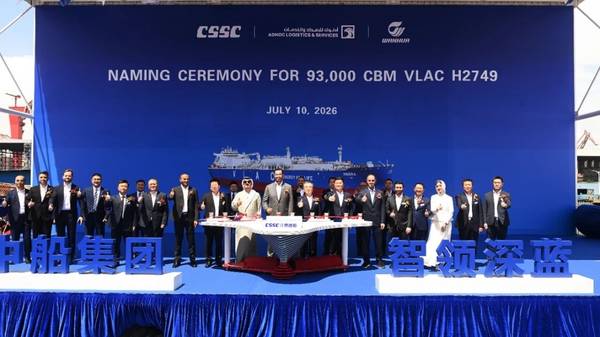
Naming ceremony held for LPG dual-fuel ammonia carrier
VLAC Meera named during event held in China on 10 July. |
|
|
|
||
|
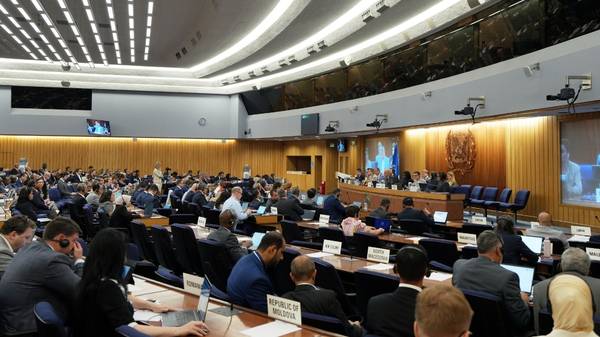
IMO adopts Singapore-led resolution on protection of shipping lanes
Thirty co-sponsors back a resolution reaffirming navigational rights under international law. |
|
|
|
||
|
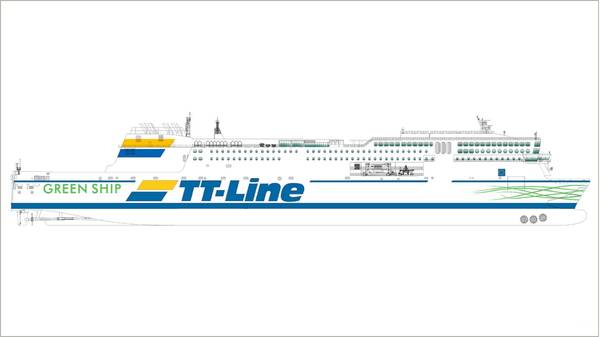
TT-Line orders second LNG-hybrid battery ferry for Baltic Sea operations
German ferry operator doubles down on LNG-hybrid technology with a second next-generation newbuild. |
|
|
|
||
|
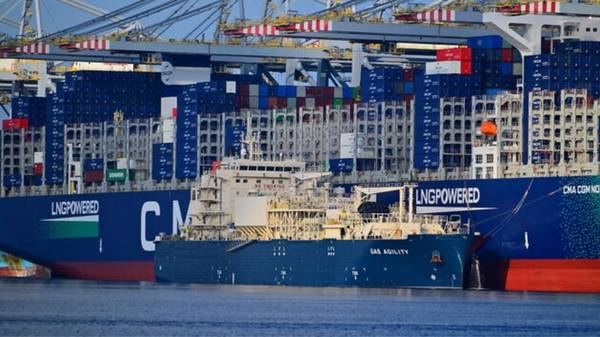
CMA CGM Notre Dame receives first European bio-LNG bunkering during Rotterdam maiden call
LNG-powered container ship takes on bio-LNG derived from agricultural waste. |
|
|
|
||
| Legal firm files lawsuit against Britannia Bulk [News & Insights] |
| Lanka Bunkering files $1m legal claim [News & Insights] |
| Cruise lines reach settlement agreement over fuel surcharges [News & Insights] |
| Cruise firm sued over fuel surcharge [News & Insights] |
| Kongsberg Maritime to design and equip four methanol-ready tankers for Transpetro [News & Insights] |
| Petrobras bunker operations to close for Carnival, with higher prices during holiday period [News & Insights] |
| Petrobras doubles invoiced price of MGO and LSMGO [News & Insights] |
| Petrobras suspends MGO export sales following Brazilian government’s 50% export tax [News & Insights] |
| Petrobras warns of extended MGO and VLSFO supply suspension at Port of Itaqui [News & Insights] |

