

|
World Fuel seeks marine fuel sales executive in Singapore
Role requires more than five years' experience in bunkering, trading, energy or commodities. |
|
|
|
||
|
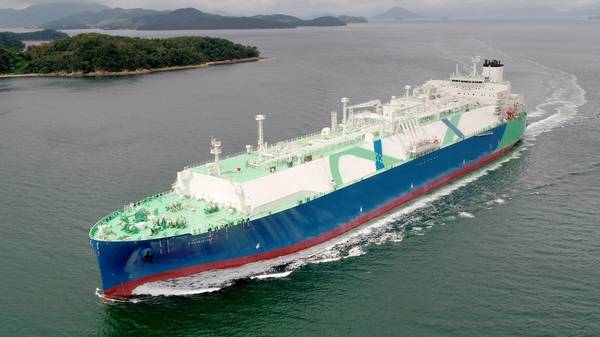
MISC names first of three new LNG carriers for QatarEnergy charter deal
Th'ailib, chartered to QatarEnergy for 15 years, extends MISC's long-term LNG fleet partnership with the energy producer. |
|
|
|
||
|
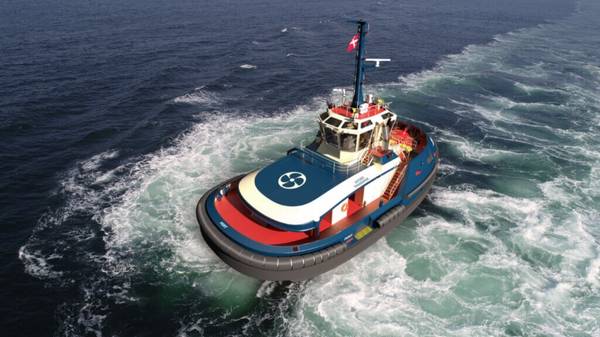
AYK Energy to supply batteries for Kongsberg Maritime’s electric Svitzer tugs
Battery maker AYK Energy expands its workboat portfolio with a deal to power four fully electric Svitzer TRAnsverse tugs. |
|
|
|
||
|
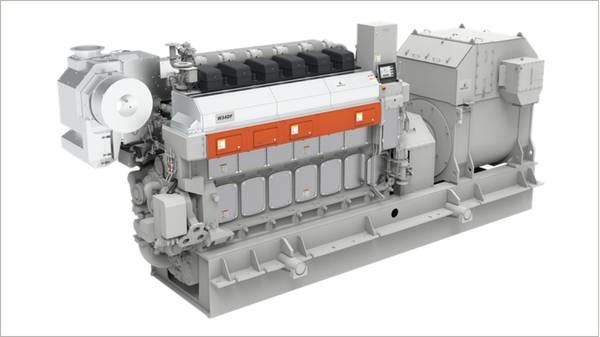
Wärtsilä to supply dual-fuel engines for 12 CMA CGM container ships
Wärtsilä will deliver 36 LNG dual-fuel engines for a dozen new 18,000-TEU container vessels being built for CMA CGM. |
|
|
|
||
|
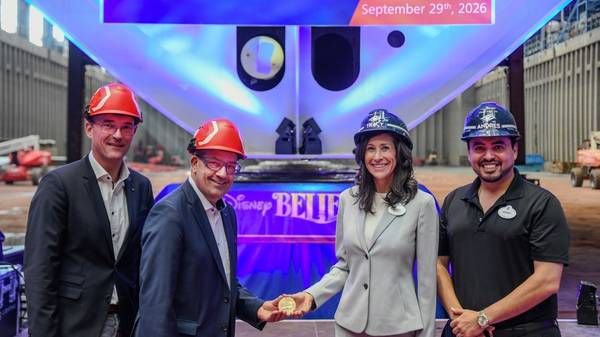
Keel-laying ceremony held for LNG-powered Disney Believe at Meyer Werft
Construction starts on second gigablock of Disney Believe, the fourth vessel in Disney Cruise Line’s Wish class. |
|
|
|
||
|
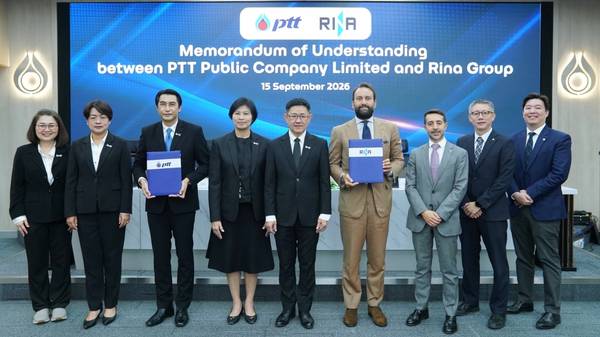
RINA and Thailand’s PTT sign MoUs to collaborate on decarbonisation technologies
Agreements establish a research and knowledge-sharing framework covering alternative fuels, hydrogen readiness and vessel electrification across the energy and maritime sectors. |
|
|
|
||
|
IBIA to host ethanol marine fuel workshop in New York
Limited-capacity session will examine ethanol’s commercial, technical and regulatory prospects as a shipping fuel. |
|
|
|
||
|
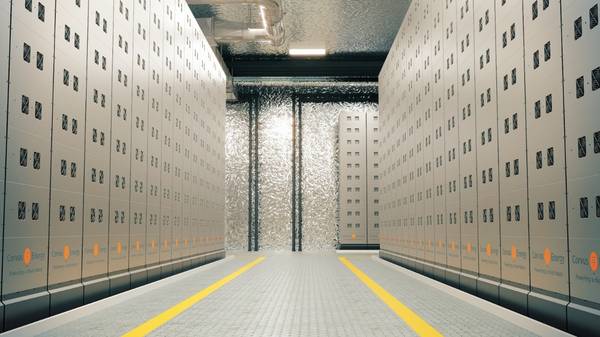
Corvus Energy’s Blue Whale NxtGen battery system gains DNV type approval
DNV approval confirms the safety and performance of Corvus Energy’s large-scale battery system for ferries, cruise ships and offshore vessels. |
|
|
|
||
|
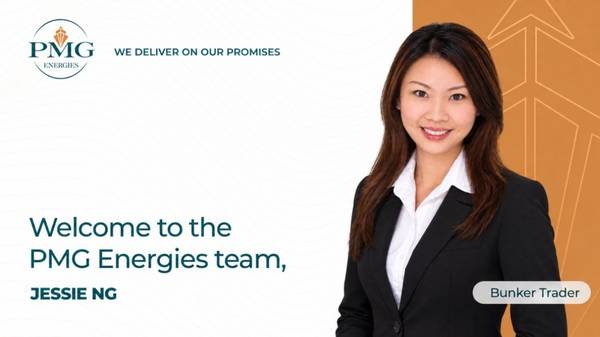
PMG Energies appoints Jessie Ng as bunker trader in Singapore
Bunker firm adds experienced trader to Singapore team. |
|
|
|
||
|
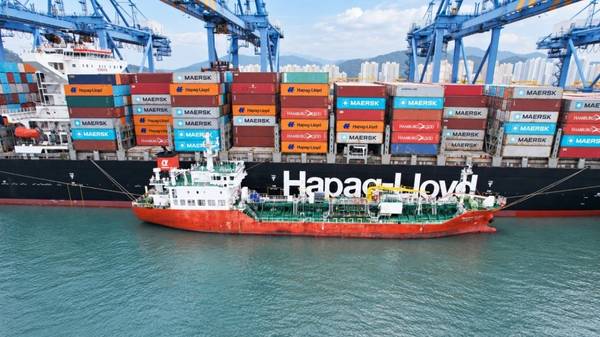
Hapag-Lloyd completes simultaneous-operations biomethanol bunkering in Busan
Container line bunkers ISCC EU-certified biomethanol from Goldwind during SIMOPS, advancing its 2024 supply agreement. |
|
|
|
||
| Wartsila CEO highlights NCL engine and scrubber order [News & Insights] |
| NCL completes scrubber retrofits for two cruise ships [News & Insights] |
| NCL posts 36% Q2 profit growth as bunker costs rise $6.1 million [News & Insights] |
| NCL asks court to halt OW Bunker arbitration in bid to prevent double fuel payment [News & Insights] |
| CSL and OWL launch first subsea rock installation vessel for offshore wind [News & Insights] |
| Steel cutting marks start of construction on dual-fuel icebreaking research vessel [News & Insights] |
| Flexibility, not fuel choice, is key to energy transition, says Auramarine [News & Insights] |
| Petrobras receives authorisation for export bunker sales by barge at Suape [News & Insights] |
| Petrobras resumes VLSFO sales at Itaqui as MGO supply disruption continues [News & Insights] |

