Fri 16 Feb 2018, 12:18 GMT

Vopak's net profit dips 12% in 2017


Terminal operator achieves 'satisfactory performance' in 2017; expects to 'significantly improve' EBITDA in 2019.


Storage terminal operator Royal Vopak on Friday confirmed that net profit attributable to owners of ordinary shares - excluding exceptional items - decreased by EUR 38,700, or 12 percent, to EUR 287.4 million in 2017.

Earnings before interest and taxes (EBIT) also fell by 12 percent to EUR 490.4 million, down from EUR 558.4 million in 2016.

Earnings before interest, taxes, depreciation, and amortization (EBITDA) declined by 7 percent to EUR 763.2 million, having been EUR 822.3 million during the previous calendar year.

Earnings per ordinary share (EPS) dropped 12 percent to EUR 2.25 in 2017.

Vopak's worldwide storage capacity increased by 1.2 million cubic metres (cbm) to 35.9 million cbm last year. Upon completion, projects currently under development are set to add 3.1 million cbm of storage capacity to the firm's global network by 2019.

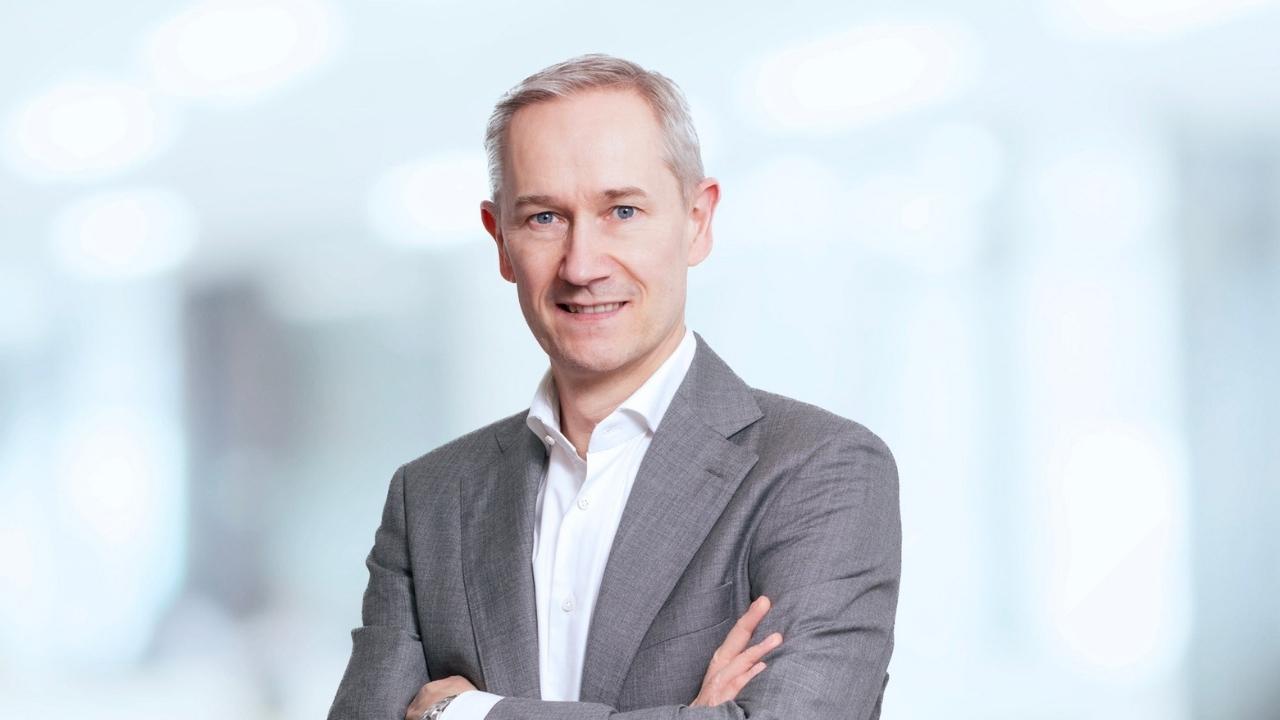
Discussing the results, Eelco Hoekstra, Chairman of the Executive Board and CEO of Royal Vopak, said: "Despite challenging market conditions, particularly in the oil markets, and following a strong performance in 2016, we had a satisfactory performance in 2017. We aim to identify and seize growth opportunities swiftly, ensure timely completion of projects under development and step up the global roll-out of our new digital systems. These steps will improve our financial performance by 2019."

Commenting on the LNG market, Hoekstra remarked: "We will continue to explore and find new possibilities within the LNG infrastructure market to expand our role as a service provider in the LNG value chain."

Looking ahead, Vopak said: "Given the current 3.1 million cbm expansion program with high commercial coverage, in conjunction with the ongoing cost efficiency program, Vopak has the potential to significantly improve the 2019 EBITDA, subject to market conditions and currency exchange movements."

Bermuda Container Line (BCL) logo. Bermuda Container Line imposes emergency bunker surcharge citing Iran War fuel price spike  

Shipping operator to add $150 per TEU charge from 1 May amid geopolitical fuel cost pressures.

China flag. Zhejiang’s first methanol-powered container ship launches in Jiaxing  

Vessel uses methanol propulsion technology to reduce carbon dioxide emissions by 90%.

TES flag with a model vessel in the background. TES joins SEA-LNG coalition to advance e-methane as marine fuel  

Green energy company targets 1m tonnes annual e-methane production by 2030 for shipping decarbonisation.

Ethanol and methanol workshop graphic. IBIA to host workshop on ethanol and methanol marine fuels during Singapore Maritime Week  

Half-day event will examine alcohol-based fuel pathways and integration into shipping’s multi-fuel landscape.

Steel-cutting ceremony for 13,000-dwt vessel. ROC begins construction of second chemical tanker for Essberger  

Chinese shipbuilder holds steel-cutting ceremony for 13,000-dwt methanol-ready vessel with ice class capability.

Norsepower and CHIC sign agreement. Norsepower and Cosco Shipping Heavy Industry Equipment sign wind propulsion cooperation agreement  

Wind propulsion technology provider partners with Chinese shipyard to scale rotor sail production.

Wärtsilä logo. Shipping firms struggle to prioritise decarbonisation investments amid regulatory uncertainty, Wärtsilä survey finds  

Survey of 225 maritime executives reveals 70% say uncertainty hinders investment decisions despite regulatory pressure.

IMT Isca G-Flex vessel render. Longitude Engineering unveils IMT Isca G-Flex PSV design with alternative fuel capability  

Naval architecture firm launches adaptable platform support vessel design based on the IMT-984 G-Class hull.

Philippos Ioulianou, EmissionLink. Shore power infrastructure is key to cutting ferry emissions in European cities, says EmissionLink  

Port electrification is needed to enable vessels to switch off engines at berth, reducing urban pollution.

Maritime and Port Authority of Singapore logo. Singapore prioritises maritime resilience amid geopolitical uncertainty, eyes digitalisation and green fuels  

MPA chief outlines the sector’s adaptation to supply chain disruptions while advancing automation and alternative fuels.