
|
Vale joins Global Ethanol Association as founding member
Brazilian mining company becomes founding member of association focused on ethanol use in maritime sector. |
|
|
|
||
|
KPI OceanConnect seeks marine fuel trading intern in Singapore
Bunker supplier advertises role offering exposure to commercial and operational aspects of marine fuel business. |
|
|
|
||
|
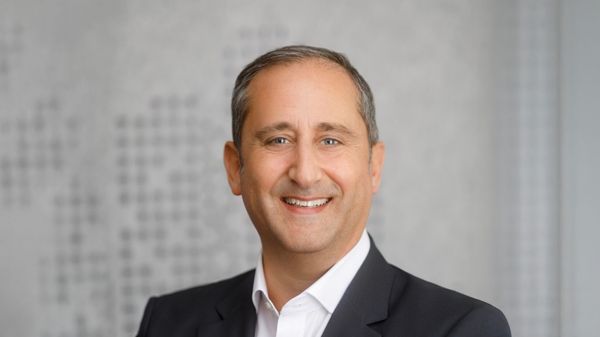
CSL Group's Frank Dahan appointed chair of IBIA's Americas regional board
Dahan brings 29 years of marine transportation and energy experience to the role. |
|
|
|
||
|
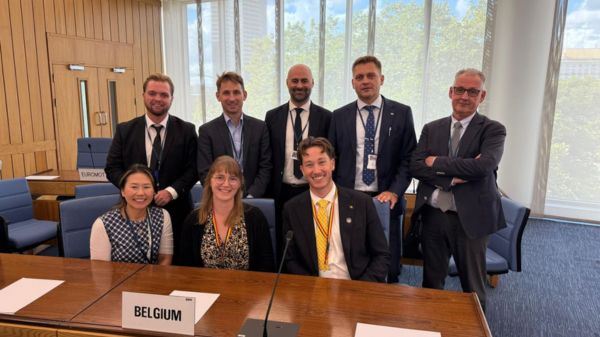
Lloyd's Register, EXMAR, and Belgium’s Federal Public Service develop interim guidelines for ammonia cargo as fuel
Guidelines expected to receive formal IMO approval in May 2026, enabling ammonia use on gas carriers. |
|
|
|
||
|
DNV to lead Nordic roadmap Phase 2 for zero-carbon shipping transition
Programme will identify green corridors and tackle cost barriers through new financing approaches. |
|
|
|
||
|
Monjasa seeks trader for Dubai operations
Marine fuel supplier recruiting for trading role covering sales, purchasing, and logistics in UAE. |
|
|
|
||
|
IBIA calls for board election nominations ahead of Friday deadline
Association seeks candidates for 2026 board positions with submissions closing 12 December. |
|
|
|
||
|
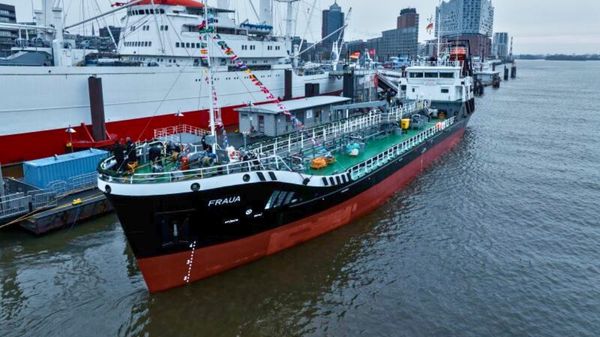
BMT Bunker adds tanker MT Fraua to fleet
BMT Bunker und Mineralöltransport has expanded its fleet with a new vessel. |
|
|
|
||
|
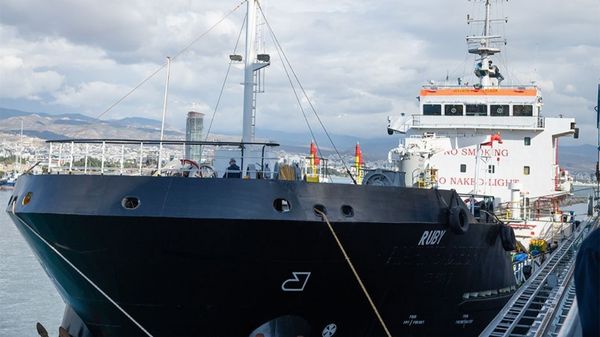
Island Oil expands Cyprus bunkering fleet with vessel Ruby
Island Oil adds second bunkering vessel to strengthen marine fuel supply operations in Cyprus. |
|
|
|
||
|
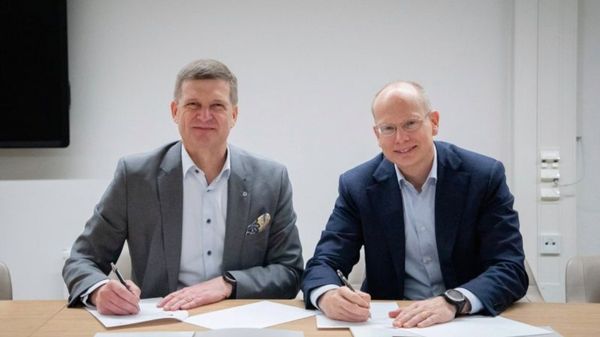
Wärtsilä and Aalto University extend R&D partnership to accelerate marine decarbonisation
Five-year agreement expands international collaboration on alternative fuels and clean energy technologies. |
|
|
|
||
| GTT to design tanks for CMA CGM's nine LNG-fuelled ULCVs [News & Insights] |
| CMA CGM to build nine LNG-fuelled ULCVs in 'technological breakthrough' [News & Insights] |
| PERFECt phase II readies LNG-fuelled boxship with no engine room for the order book [News & Insights] |
| New partners join LNG-fuelled COGAS ULCS project [News & Insights] |
| Bureau Veritas gains UKAS EU MRV accreditation [News & Insights] |

