Wed 21 Dec 2016, 09:20 GMT

Scandlines' new hybrid ferry in operation


Together with its sister vessel, the new M/V Copenhagen is said to be the world's biggest hybrid ferry.


Scandlines' second new hybrid ferry for the Rostock-Gedser route, the M/V Copenhagen, will carry passengers for the first time when it departs from Gedser (Denmark) towards Rostock (Germany) on 21st December.

The new hybrid ferry was registered on 19th December and departed on the same day from the Danish yard Fayard A/S. On 20th December, sea trials were carried out between Rostock and Gedser; and on 21st December the ferry goes into ordinary service at 9 a.m.

The M/V Copenhagen is the second of two new hybrid ferries for the Rostock-Gedser route; it replaces the M/V Kronprins Frederik, which will be used as a replacement ferry on the Rostock-Gedser and Puttgarden-Rodby routes. This will mean that an extra ferry will be able to be deployed on both routes.

"I am happy that we can now offer our customers this fantastic vessel which together with the sister vessel Berlin also is the world's biggest hybrid ferry. The new ferries represent an investment of more than 140 million EUR per vessel and are a substantial upgrade of the central and eastern transport corridor between the European mainland and Scandinavia," commented Soren Poulsgaard Jensen, Scandlines' CEO.

Working alongside the manufacturer of the diesel electric engines of the vessels, MaK/Caterpillar, Scandlines has deemed it necessary to rebuild the common rail injection system of the M/V Berlin's and M/V Copenhagen's engines.

Scandlines has confirmed that the new injection modules will not be delivered until 1st January 2017, therefore both vessels are scheduled to be converted at the start of next year.

As the M/V Kronprins Frederik will be used in place of the two new vessels when they are not in operation, the conversions are not expected to affect the timetable for the Rostock-Gedser route.

Molgas Energy logo. Molgas completes acquisition of Prima LNG’s Irish business  

Molgas takes over Prima LNG’s Irish customer portfolio, including a Mondelez manufacturing site, as part of its expansion.

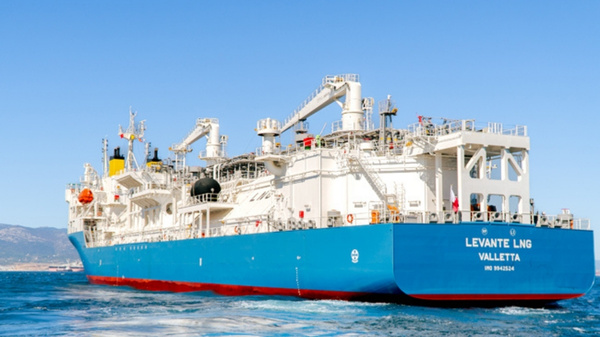
Levante LNG vessel. Peninsula marks three years of LNG bunkering with Levante LNG  

Bunker supplier reports zero claims and CO₂e cuts as LNG bunker vessel completes three years of operations.

Sea Leader FZCO logo. Sea Leader begins physical bunker supply operations in eastern India  

Company completes first bunker delivery after registering with India's shipping authority.

Wega and Deneb vessels render. Auramarine to supply methanol fuel systems for German hydrographic research vessels  

Finnish firm signs deal with Gondan Shipbuilders to equip two new vessels for Germany's maritime agency.

Mitsui-Everllence B&W 6S50ME engine render. Mitsui E&S secures first order for dual-fuel engines from Indian shipyard  

Six LNG-fuelled engines will power chemical tankers built by Swan Defence and Heavy Industries in Gujarat, India.

Jamaica bunkering hub study presentation. Study maps route for Jamaica to become regional hub for alternative marine fuels  

Research identifies Jamaica's location, port traffic and existing LNG infrastructure as foundations for a regional alternative marine fuels hub.

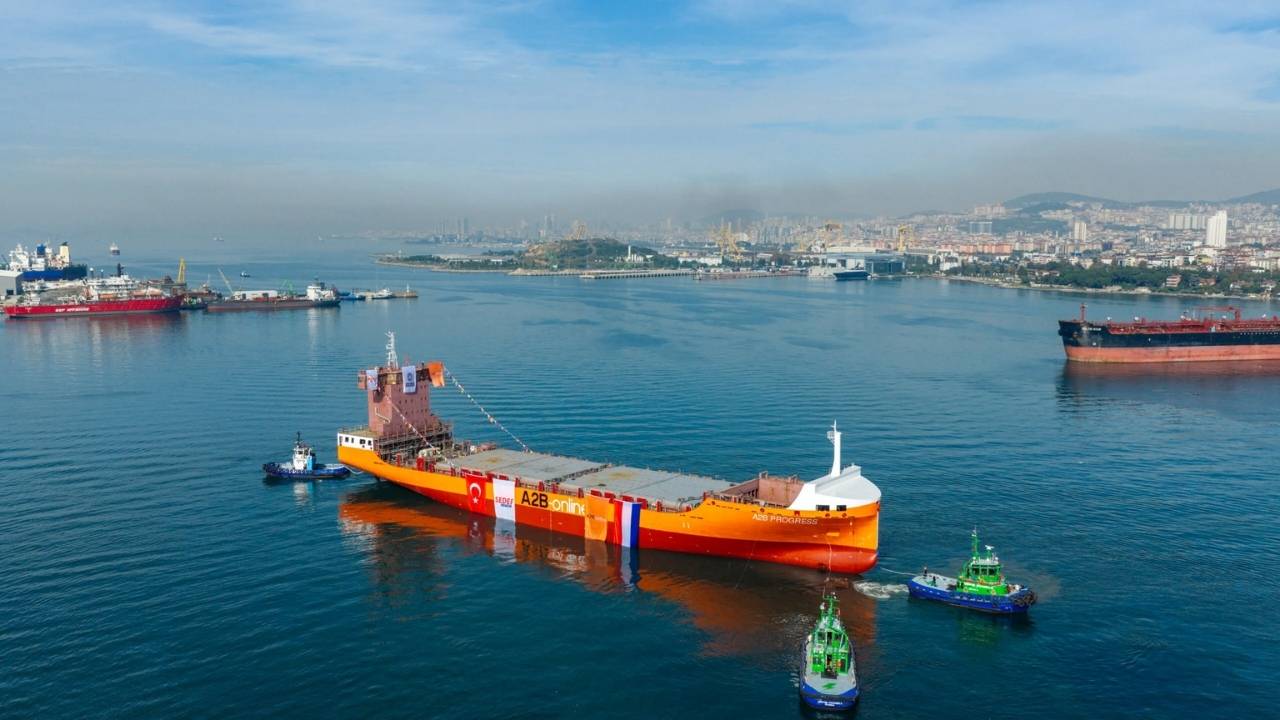
A2B Progress vessel. A2B-online orders two more methanol-fuelled vessels for shortsea network  

Dutch shortsea operator expands newbuild series to four ships, adding methanol propulsion and battery capacity for emission-free port calls.

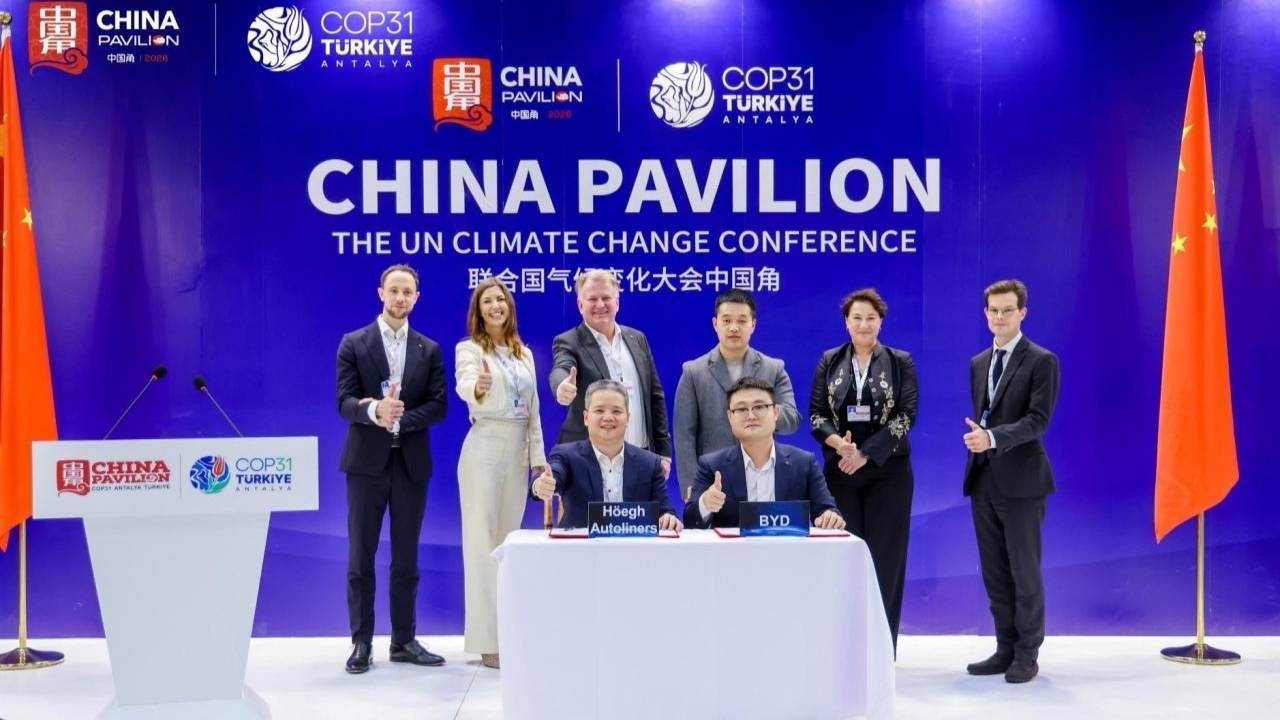
Höegh Autoliners and BYD Energy Storage cooperation agreement signing. Höegh Autoliners signs battery deal with BYD for ammonia-ready car carrier  

Ro-ro shipper teams up with BYD Energy Storage to combine batteries, solar power and ammonia-ready propulsion on a single car carrier.

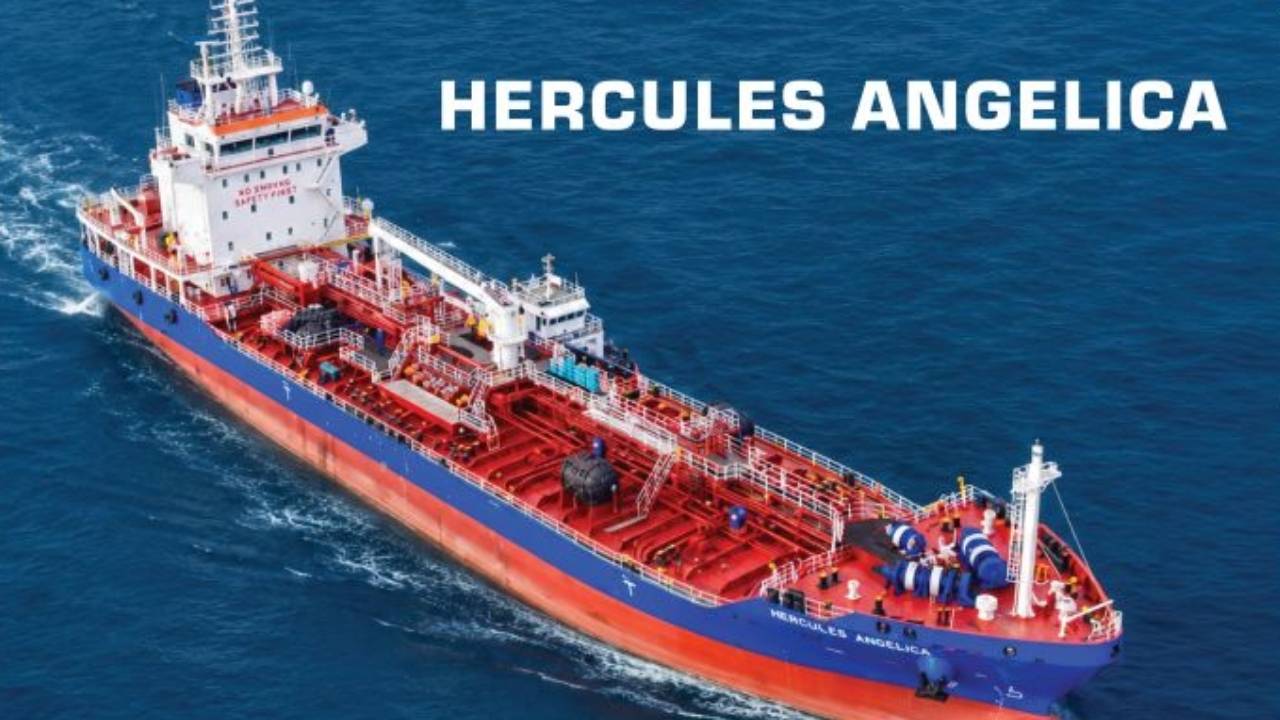
Hercules Angelica vessel. Hercules Tanker Management adds new Ultra-Spec tanker to fleet with FAME cargo run  

Hercules Angelica begins maiden voyage carrying FAME from Malaysia to the UK/ARA region.

SHI and Morimura sign MoU. Samsung Heavy Industries and Japan's Morimura to jointly develop solid oxide fuel cells for ships  

Companies target 2028 commercialisation of SOFC technology for merchant vessels and floating data centres.