The chairman of the
International Bunker Industry Association (IBIA),
Peter Hall, fears that the recent decision by the International Maritime Organization's (IMO) Marine Environment Protection Committee (MEPC) to implement a global cap of 0.5% on the sulphur content of marine fuel in 2020 could leave maritime firms that comply with the new regulation at a disadvantage.
In a statement, Hall said: "IBIA shares shipping industry concerns that failure to implement the global cap in a uniform and even-handed way will lead to an uneven playing field where shipping companies that comply consistently, will be placed at a significant financial disadvantage."
IBIA added that it was also concerned that an uneven implementation of the global sulphur cap would create uncertainty about actual market demand for 0.50% sulphur marine fuel, which in turn would make it difficult for the marine fuel oil supply chain to plan effectively to meet demand, and for ship operators to assess the viability of investing in exhaust gas cleaning systems.
IBIA is this week hosting its annual convention, which runs from 7th to 11th November in Gibraltar.
While the outcome from MEPC 70 looks set to be the headline discussion at the event, other hot topics to be covered include:
- the development of key bunkering port hubs and their impact on surrounding ports
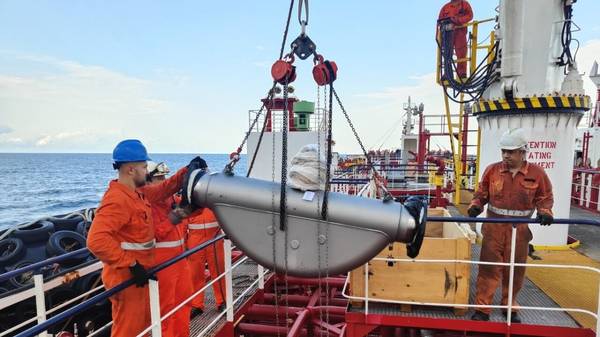
- developing best bunkering practice and the use of mass flow meters
- the key environmental issues - compliance and policing
- new fuels - from hybrid to low sulphur fuels to biodiesels, what are the options?
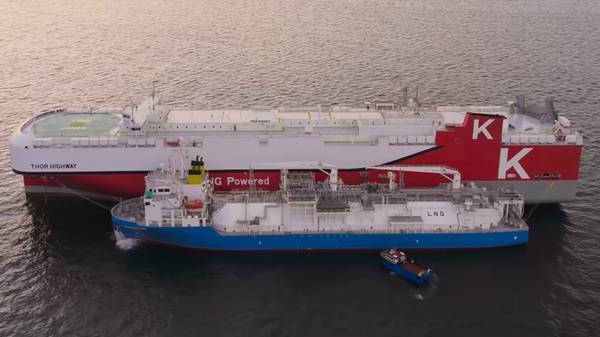
- the potential of LNG as a viable, clean marine fuel compared to scrubbing and other options
The programme for the annual IBIA Convention offers a conference and trade exhibition, as well as training including mass flow meter adoption and utilisation of digital technology to enhance the industry.