Tue 28 Jun 2016, 10:21 GMT

Eight dual-fuel ships ordered


Vessels to run on LNG, but will also be able to burn distillates and intermediate fuel oil (IFO).


Chinese shipbuilder Huangpu Wenchong Shipyard is the new winner of a multi-billion LNG-fuelled vessel contract ordered by German-based Nordic Hamburg and Finland's Containerships Ltd Oy for eight short-sea 1,400-TEU dual-fuel containerships.

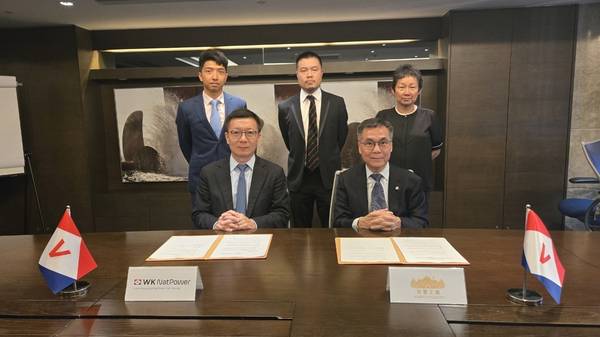
A binding agreement was signed for the delivery of eight newbuild dual-fuel diesel-electric liquefied natural gas (LNG) ships. This includes four firm ship orders; with the option for a further four containerships. The charter framework agreement was signed in Helsinki, Finland.

The new ships are to primarily use LNG, but will also be able to burn conventional distillates and intermediate fuel oil (IFO). Each will have a cargo capacity of 639 units of 45-foot containers and are scheduled for delivery in August 2018 instead of 2017 as had been previously planned.

The owner and the technical manager will be GNS shipping/Nordic Harmburg, whilst Containerships will be chartering the ships and Arkon Shipping will be the commercial manager and the charter broker.

Commenting on the company's decision to invest in the dual-fuel engine technology two years ago, Kari-Pekka Laaksonen, CEO of Containerships, remarked: "We are a short-sea operator that is in it for the long haul, and these state-of-the art ships are just one part of our long-term strategy. In addition to offering the most ecologically sustainable solution, the intake capacity of these ships will allow us to keep meeting growing customer demand. And we're confident that both of our partners on this project have the know-how and the experience to deliver."

The Dragon-Class vessels are equipped with autonomous C-type bi-lobe tanks, which store 27,500 cubic metres of gasses, such as liquefied ethylene gas (LEG), LNG, ethane and liquid petroleum gas (LPG).


Bermuda Container Line (BCL) logo. Bermuda Container Line imposes emergency bunker surcharge citing Iran War fuel price spike  

Shipping operator to add $150 per TEU charge from 1 May amid geopolitical fuel cost pressures.

China flag. Zhejiang’s first methanol-powered container ship launches in Jiaxing  

Vessel uses methanol propulsion technology to reduce carbon dioxide emissions by 90%.

TES flag with a model vessel in the background. TES joins SEA-LNG coalition to advance e-methane as marine fuel  

Green energy company targets 1m tonnes annual e-methane production by 2030 for shipping decarbonisation.

Ethanol and methanol workshop graphic. IBIA to host workshop on ethanol and methanol marine fuels during Singapore Maritime Week  

Half-day event will examine alcohol-based fuel pathways and integration into shipping’s multi-fuel landscape.

Steel-cutting ceremony for 13,000-dwt vessel. ROC begins construction of second chemical tanker for Essberger  

Chinese shipbuilder holds steel-cutting ceremony for 13,000-dwt methanol-ready vessel with ice class capability.

Norsepower and CHIC sign agreement. Norsepower and Cosco Shipping Heavy Industry Equipment sign wind propulsion cooperation agreement  

Wind propulsion technology provider partners with Chinese shipyard to scale rotor sail production.

Wärtsilä logo. Shipping firms struggle to prioritise decarbonisation investments amid regulatory uncertainty, Wärtsilä survey finds  

Survey of 225 maritime executives reveals 70% say uncertainty hinders investment decisions despite regulatory pressure.

IMT Isca G-Flex vessel render. Longitude Engineering unveils IMT Isca G-Flex PSV design with alternative fuel capability  

Naval architecture firm launches adaptable platform support vessel design based on the IMT-984 G-Class hull.

Philippos Ioulianou, EmissionLink. Shore power infrastructure is key to cutting ferry emissions in European cities, says EmissionLink  

Port electrification is needed to enable vessels to switch off engines at berth, reducing urban pollution.

Maritime and Port Authority of Singapore logo. Singapore prioritises maritime resilience amid geopolitical uncertainty, eyes digitalisation and green fuels  

MPA chief outlines the sector’s adaptation to supply chain disruptions while advancing automation and alternative fuels.