The recent referendum held in the UK about whether to stay in the EU or to leave has resulted in a vote to leave the EU. This is set to have dramatic effects on the world market, but in some areas it could lead to a bigger issue than others. One of these areas is the Port of Gibraltar, a strategic port located at the tip of the British territory of Gibraltar.
Bunkering in the Port of Gibraltar
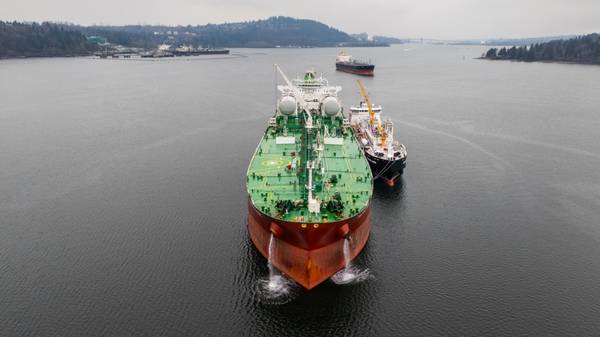
Gibraltar is located in an excellent area for supplying bunker to vessels going to and coming from the Mediterranean Sea. Bunkering is the main service provided by the port, with thousands of ships calling each year.
Because of its location at the tip of the Gibraltar peninsula, this port has become a midway stop for many EU ships and others heading from Asia and going to Europe, and from North America to Asia. Deep waters and easily accessible shorelines make this port capable of serving vessels of all sizes with almost any services. They provide all types of marine bunkers to calling ships.
How Brexit might affect the port
Although Gibraltar is directly connected to Spain, it is officially a British territory. During the 1600s Britain took over this small territory from the Spanish in hopes of strengthening their navy. Even though diplomatic relations between the two countries are much more amiable in modern times, Spain has wanted to annex the Gibraltar territory for years.
Before Spain joined the EU in the 1980s, they closed the border with Gibraltar, effectively alienating it from reaching any other country. After Spain joined the EU, they were forced to open up the border with Gibraltar. Now that the UK plans to leave the EU within 2 years, it's possible that Spain will close the border again to put pressure on the UK to give up Gibraltar.
Many people working at the Port of Gibraltar are not living within the small territory itself. As many as half of the people working in Gibraltar, including many port employees, commute from Spain to their jobs each day. If the border is closed, there is no longer any way for commuters to work within the small peninsula, dealing a huge blow to the Port of Gibraltar and other businesses in the area.
Possible outcomes for Gibraltar
As with several issues related to the Brexit, it's unclear what the future of Gibraltar will be. Gibraltar voted largely to remain in the EU, but were overridden by the votes in Britain.
If Spain puts pressure on the UK to give up Gibraltar there might be no choice for the UK but to give up this territory, as it's unlikely they would be able to negotiate a deal to allow borders to be opened again. There is also a potential situation where Gibraltar may seek autonomy in order to remain in the EU as their own sovereign state.
The Port of Gibraltar will undoubtedly be an important part of any ongoing debate about the future of this territory. If it is taken out of EU control, shipping companies may have to pay higher fees for services in the port, depending on how deals can be negotiated. Whatever the case, the many shipping companies travelling through the Strait of Gibraltar will be eager to hear any news about this strategic bunkering stop.