Mon 27 Jun 2016, 00:01 GMT

Grounded bulker MV Benita debunkering update


Fuel is being pumped into one of the holding tanks onboard the ship and transported to the shore by helicopter.


The grounded bulker MV Benita is in the process of being debunkered. Efforts are underway to safely remove all the fuel without effecting the surrounding wildlife and environment any further. When the ship made contact with the ground, oil and fuel began to spill into the surrounding water. Clean-up and environmental damage control efforts are also happening alongside the debunkering.

The debunkering process on MV Benita

Marine fuel used to power the ship is being removed in an intricate process handled by Five Oceans Salvage. In an effort to keep the fuel oil from spilling into the ocean, fuel is being pumped into one of the holding tanks onboard the ship. From there, it is transported to the shore by helicopter in large containers. This process is cumbersome and could take a few more days of work.

A total of 145 metric tonnes of heavy fuel oil (HFO) and 30 metric tonnes of diesel were reported on board the ship originally, all of which must be removed before any steps can be taken to get the ship ungrounded.

Operations appear to be running more smoothly now, as bad weather that plagued the salvage company's workers has dissipated. The vessel is firmly grounded on the Le Bouchon reef and appears stable, whereas before it was sea-sawing in the water due to harsh weather conditions.

Shortly after the incident occurred on the 14th of June, the National Coast Guard showed up to evaluate the situation. It was reported then that the oil spillage seen on the shores of Le Bouchon was not actually fuel escaping from the ship and was a result of sea water going into the bulker's hold and mixing with oil there. No HFO is said to be leaking into the water up to this point.

What happens next?

All fuel oil pumped from the MV Benita is set to be taken to the Virgin Oil Company (Mauritius) Ltd for treatment and processing.

It's estimated that removing the shipping vessel from its grounded state might take a month or more after the debunkering is complete. The earliest possible arrival for a tug capable of removing the vessel from the reef is 30th June. So far there is no official plan of action for removing the grounded ship, but Five Oceans Salvage engineers are working on a solution that will minimize environmental damages.

Clean-up efforts are ongoing to get the spillage out of the water and to minimize the impact to surrounding communities and wildlife. Oil booms are deployed around the area to block any escaping fuel oils from leaving the area. Any oil that gets trapped in the booms will be collected by the crew and taken to the shore with the bunkers to be safely managed.

How the incident occurred

It is unclear when events on the ship took place, but the grounding is now being attributed by London P&I Club - the insurer of the vessel - to a medical issue that occurred with one of the crew members in the engine room.

Early on, suspicions arose about a mutiny on board the vessel. It was also stated that a fight had broken out between the chief engineer and another crew member, who is currently hospitalized, and that the chief engineer - who is currently in Coast Guard custody - had locked himself in the engine room and cut power to the vessel.


Ardmore Shipping logo. Ardmore Shipping posts 14% fleet emissions reduction in 2025 sustainability report  

Ardmore Shipping’s annual sustainability report highlights emissions cuts, safety gains and governance rankings across its tanker fleet.

Peter Keller, SEA-LNG. SEA-LNG mid-year review points to continued growth across methane pathway as coalition marks tenth anniversary  

LNG orders, bunkering volumes and biomethane production all rise as SEA-LNG gains IMO consultative status.

Heinz vessel. Econowind receives DNV type approval for VentoFoil 3-Series wind propulsion wing  

DNV certification set to streamline integration of VentoFoils on classed vessels worldwide.

Wärtsilä ammonia engine Wärtsilä to supply ammonia engines and propulsion systems for two Navigator Amon gas carriers  

Mid-size LPG/liquid ammonia carriers will be equipped with Wärtsilä’s ammonia-fuelled auxiliary engines.

Phil Sharp and Toon Muhlheim. Genevos and Koedood Marine Group sign LOI to explore hydrogen fuel cell deployment  

Two companies to collaborate on the use of hydrogen fuel cell systems for inland and coastal maritime transport.

Samskip SeaShuttle vessel render. Samskip brings SeaShuttle project into European HyShip initiative to develop liquid hydrogen infrastructure  

Two hydrogen-powered container vessels will operate between Rotterdam and Oslo from 2027.

Antwerpen vessel. Korea Register and HD Hyundai team up to advance ammonia-fuel shipping in South Korea  

Two organisations are cooperating on eco-friendliness verification for ammonia dual-fuel vessels.

Fabio Cococcetta, WinGD. Green ammonia could become the first commercially viable zero-emission marine fuel, WinGD study suggests  

Joint report by WinGD and Envision Energy sets out the economic case for green ammonia.

Rasul Shirinov, Oilmar. Oilmar appoints junior marine fuels trader at Dubai trading desk  

UAE-headquartered bunker firm hires Rasul Shirinov, with a background in the agricultural sector.

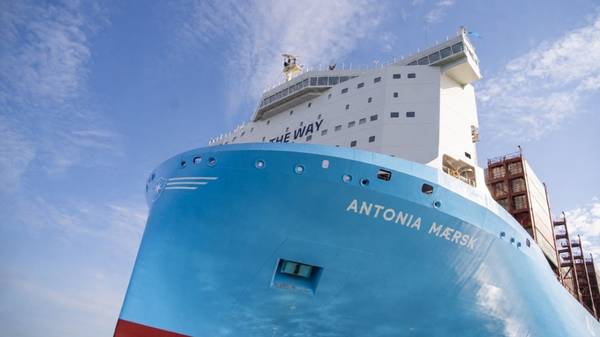
Antonia Maersk vessel. Maersk bunkers large dual-fuel vessel with 100% ethanol in Barcelona  

Ocean carrier scales up ethanol bunkering in bid to broaden its low-emission fuel strategy.