Mon 30 May 2016, 14:35 GMT

Permit obtained for St Petersburg fuel terminal project


Fuel terminal is expected to be handling up to 4-5 million tonnes of oil products per annum by 2020.


Russian bunker supplier, Baltic Fuel Company (BFC), has been granted a permit to develop an artificial plot of land at the Marine Oil Terminal 'Turukhtannye Islands' in St. Petersburg, by the country's Federal Marine and River Transport Agency (Rosmorrechflot), PortNews reports.

The latest development follows BFC's announcement last month, on April 8, that it had signed an agreement with Rosmorrechflot to create an artificial plot of land of 1.43 hectares at the Turukhtanniye Islands facility.

The April agreement was signed for 30 months. During this period, BFC will be required to publish work documentation on the project, carry out land reclamation, backfilling and sheet piling operations, as well as filling the plot of land.

Once construction is completed, Rosmorrechflot is to provide BFC with a permit commissioning the artificially created plot of land.

The declaration of intent to invest in the project was rubber-stamped by Rosmorrechflot on July 30, 2014. Rosmorrechflot's decree, dated September 22, 2014, approved the project's planning documentation. A year later, on September 1, 2015, the project documentation and engineering study results for the project successfully passed the state expert review by the Main State Expert Review Board of Russia (Glavgosexpertiza).

The total cost of the project is estimated at over RUB 3 billion (US$45.35 million).

BFC's fuel terminal currently consists of a 7.3-hecare plot of land and two berths for the transshipment of oil products. In 2013, it handled some 500,000 tonnes, and the figure is currently around 1.5 million tonnes per year. The facility's annual throughput is expected to increase to 2.4 million tonnes by 2017, and to 4-5 million tonnes by 2020.

The terminal is designed to be used for the handling of oil products (M-100 and M-40 fuel oil, and diesel fuel), and for the supply of bunker fuel to tankers and bunkering vessels with capacity of up to 20,000 tonnes and a draft of 7 to 9 metres. Transfers of fuel to bunkering vessels account for 25 percent of the total volume, according to BFC.


Global Ethanol Association (GEA) and Vale logo side by side. Vale joins Global Ethanol Association as founding member  

Brazilian mining company becomes founding member of association focused on ethanol use in maritime sector.

KPI OceanConnect Logo. KPI OceanConnect seeks marine fuel trading intern in Singapore  

Bunker supplier advertises role offering exposure to commercial and operational aspects of marine fuel business.

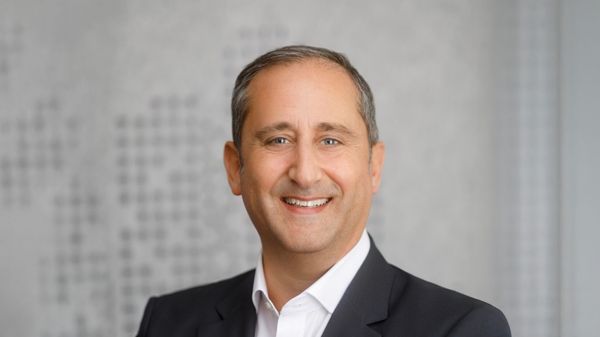
Frank Dahan, CSL Group. CSL Group's Frank Dahan appointed chair of IBIA's Americas regional board  

Dahan brings 29 years of marine transportation and energy experience to the role.

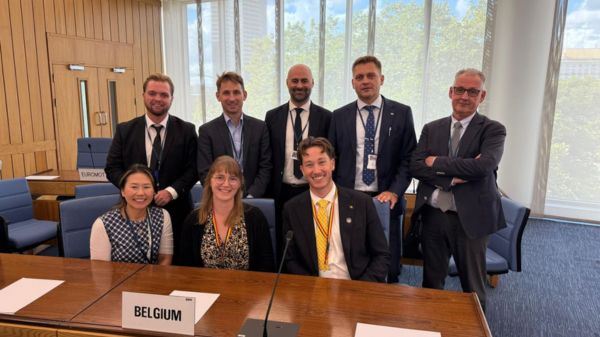
IMO Member States, Belgium delegation. Lloyd's Register, EXMAR, and Belgium’s Federal Public Service develop interim guidelines for ammonia cargo as fuel  

Guidelines expected to receive formal IMO approval in May 2026, enabling ammonia use on gas carriers.

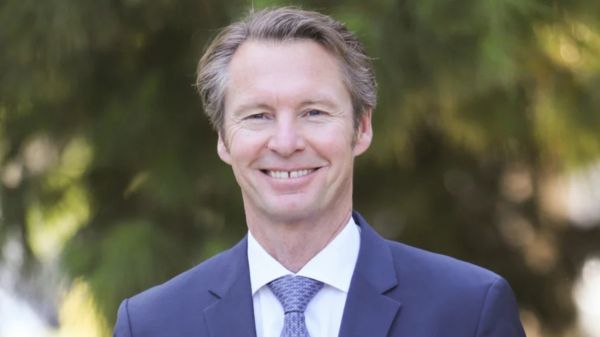
Knut Ørbeck-Nilssen, DNV. DNV to lead Nordic roadmap Phase 2 for zero-carbon shipping transition  

Programme will identify green corridors and tackle cost barriers through new financing approaches.

Monjasa logo. Monjasa seeks trader for Dubai operations  

Marine fuel supplier recruiting for trading role covering sales, purchasing, and logistics in UAE.

IBIA Board Elections 2026 – Call for Nominations announcement. IBIA calls for board election nominations ahead of Friday deadline  

Association seeks candidates for 2026 board positions with submissions closing 12 December.

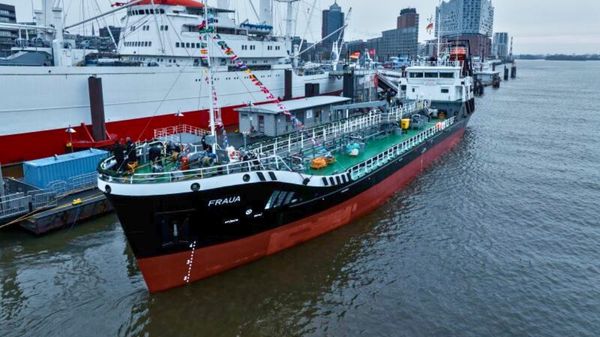
Fraua vessel. BMT Bunker adds tanker MT Fraua to fleet  

BMT Bunker und Mineralöltransport has expanded its fleet with a new vessel.

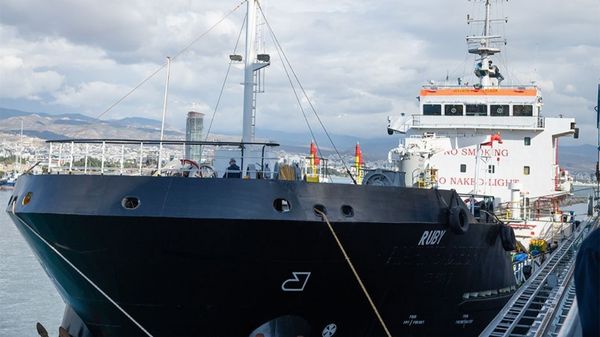
Ruby bunkering vessel. Island Oil expands Cyprus bunkering fleet with vessel Ruby  

Island Oil adds second bunkering vessel to strengthen marine fuel supply operations in Cyprus.

Wärtsilä and Aalto University partnership signing. Wärtsilä and Aalto University extend R&D partnership to accelerate marine decarbonisation  

Five-year agreement expands international collaboration on alternative fuels and clean energy technologies.