Wed 28 May 2008, 17:35 GMT

Wallenius Wilhelmsen calls for cuts in CO2 emissions


CEO urges the maritime industry to take steps to preserve the maritime environment.


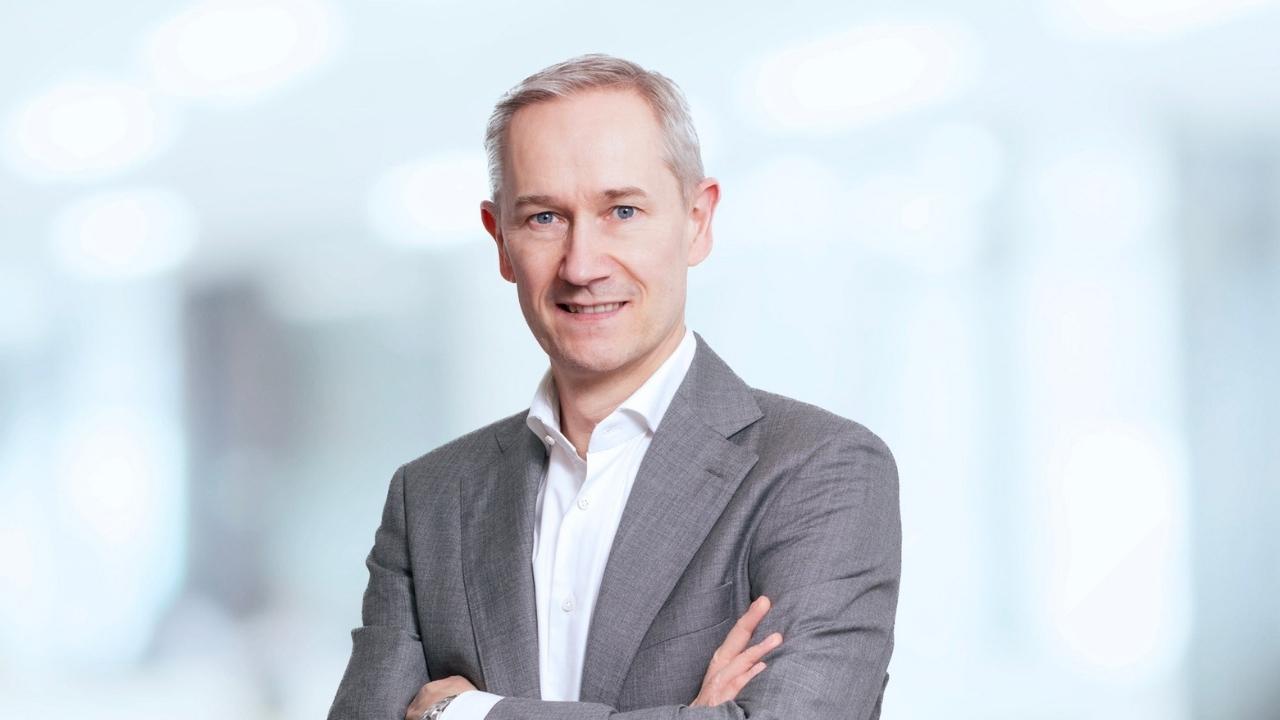
Arild B Iversen, CEO of Wallenius Wilhelmsen Logistics (WWL) has urged the maritime industry to cooperate in minimizing its ecological footprint.

Speaking at the bi-annual 2008 Lloyds List Roro Exhibition and Conference in Gothenburg, Iversen said the speed to carry goods to market cannot be sustained as the primary performance indicator if we are to demonstrate good environmental principles.

Delivering the speech on the opening day of the conference, Iversen ponted out that a small reduction in vessel speed would lead to a significant reduction in ship emissions.

"A two knots speed reduction from Asia to Europe would cut CO2 emissions per transported unit from 1163 kgs per car to 919 kgs per car, a cut of 21 per cent, creating a significantly positive impact on the environment. Although voyage times would increase by four days, fuel consumption would drop by 17 per cent," said Iversen.

He urged RoRo and vehicle carrying shipping lines to have open discussions with their customers to find out whether they are prepared to accept the lengthier voyage times in return for playing their part in conserving and preserving the maritime environment.

Iversen added that a change in voyage times would only become an option when the tonnage capacity in the RoRo trades improved. As a response to the under tonnage problem Iversen reported that WWL had 25 eco-friendly ships due to enter service within the next four years.

He also reasoned that the key to intelligent ocean transport was closer customer cooperation and smarter vessels where ships are designed for fuel efficiency, greater cargo flexibility and a lower environmental footprint, rather than outright speed.

"Flexibility and focus are becoming the hallmarks of developing cost efficient factory-to-dealer logistics solutions. We need to have dialog with customers, politicians, shipbuilders, ports and other stakeholders to explore how we together can minimize the ecological footprint of our industry. We should also explore new performance measurements that take the environment into account and not just time from port-to-port," Iversen said.

He pointed out that advanced supply chain management would allow for optimal and cost efficient transport and that good hub and spoke systems were central to increasing efficiency.

In the conclusion to his speech, Iversen said "It is our ambition to remain an environmental forerunner by reducing fuel consumption, cutting emissions and minimising the impact of the release of ballast water into the oceans.

"We are working with the WWF, the global environment organisation, to develop a global maritime transport policy which will create a new groundbreaking framework for sustainable shipping covering such aspects as vessel design, fuel quality, approved sailing routes, emissions into air and sea, reduction in noise pollution, vessel recycling and better reporting on environmental matters".


Washington State Hybrid-Electric 160-Auto Ferry vessel render. Corvus Energy to supply battery systems for Washington State Ferries hybrid vessels  

ABB selects Corvus for two new 160-vehicle ferries as part of $3.98bn electrification plan.

Vinssen and Mana Engineering sign MoU. Vinssen, Mana Engineering partner on hydrogen fuel cell retrofit for 800-teu feeder vessel  

South Korean and Dutch firms to pursue Lloyd’s Register approval for hybrid retrofit concept.

Hercules Elisabeth vessel. Hercules Tanker Management takes delivery of second Ultra-Spec vessel in China  

Hercules Elisabeth is the second of 10 hybrid-ready tankers designed for alternative fuels.

Wolf 1 vessel. Petrol Ofisi launches fuel supply tanker Wolf 1  

Turkish bunker supplier adds 1,750-dwt vessel with alternative fuel infrastructure to fleet.

BIMCO meeting. BIMCO to convene for adoption of biofuel clause and ETS provisions at February meeting  

Documentary Committee to consider new contractual frameworks for alternative fuels and emission trading scheme compliance.

Sea Change II vessel render. Incat Crowther and Switch Maritime develop 150-passenger hydrogen ferry for New York  

Design work begins on 28-metre vessel with 720 kg hydrogen capacity and 25-knot speed.

Aerial view of a container vessel. HIF Global signs heads of agreement with German eFuel One for 100,000 tonnes of e-methanol annually  

Deal covers supply from HIF’s Uruguay project, with e-methanol meeting EU RED III standards.

Welcoming of Kota Odyssey at Jordan’s Aqaba Container Terminal. PIL’s LNG-powered vessel makes maiden call at Jordan’s Aqaba port  

Kota Odyssey is Pacific International Lines’ first LNG-fuelled ship to call at the Red Sea port.

Celsius vessel. RMK Marine to equip Celsius LNG bunker vessel with gas combustion unit  

Turkish shipbuilder adds specialised equipment to support cool-down and gassing-up operations for LNG vessels.

CSL and CMA CGM contract signing. Cochin Shipyard signs contract with CMA CGM for six LNG-fuelled container vessels  

Indian shipbuilder to construct vessels for French shipping company.