Wärtsilä is to supply inert gas systems for a
Floating Storage Unit (FSU) to be located on
Norway's
Heidrun offshore oil and gas field, and for two shuttle tankers that will support the FSU. The FSU is owned by
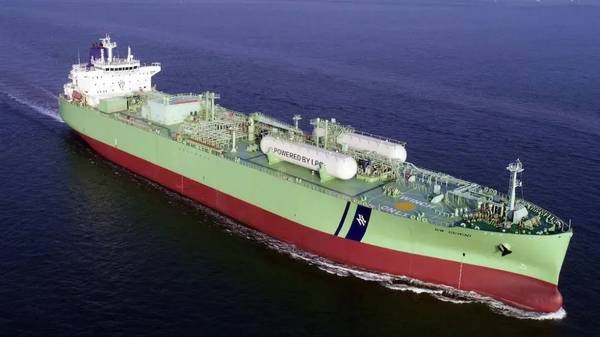
Statoil and the tankers by
AET Tanker Holdings, the Singapore based petroleum transportation company. All three vessels are being built by
Samsung Heavy Industries (SHI) in South Korea. The Wärtsilä contract with SHI was signed in February 2013. Delivery of the Wärtsilä equipment is scheduled for October, 2013.
The design and engineering of the systems is specifically intended for offshore applications with the nitrogen generators allowing for larger capacities.
"Wärtsilä is the market leader in the supply of inert gas systems to the offshore industry, where the technical specifications are extremely high. Our comprehensive offering to this sector is based on years of experience and highly developed in-house know-how, and this order is further evidence of the company's strong reputation for providing technically advanced and reliable solutions," said
Juha Kytölä, Vice President, Environmental Solutions, Wärtsilä Ship Power.
Inert gas generator systems are used to prevent the gas mixture in cargo tanks or bunkers from reaching a range where explosions could occur. Inert gas maintains the oxygen content of the tank atmosphere below 8 percent, thus making the air and hydrocarbon gas mixture in the tank too lean to ignite. This is especially important during discharging, when more hydrocarbon vapour is likely to be present in the atmosphere. This is also the case for the tankers during the ballast voyage. Inert gas can also be used to purge the tank of volatile components in preparation for gas freeing, i.e. replacing the gas mixture with breathable air. Nitrogen generators are then used to supply dry air and oil-free inert gas for purging, pressurising, and blanketing functions.
The FSU is expected to operate in the Norwegian Sea's Heidrun oil and gas field until at least 2045. The FSU will export the oil from the field and will be connected to a buoy.
Crude oil is loaded onto the FSU vessel via a subsea pipeline and underwater hoses, which are pertinent parts of the crude oil exporting facility. Cargo from the FSU is pumped through offloading hose-strings to the shuttle tankers.
Wärtsilä has also been contracted to supply deep well pumps and fire water packages to the same FSU. Since its acquisition of
Hamworthy in 2012, Wärtsilä has expanded its offering to the offshore oil & gas sector to include a complete range of liquid cargo handling products including inert gas systems, pumps and gas reliquefaction plants.