The world's leading seller of marine fuels, Bunker Holding, says it is launching an ambitious five-year strategy focused around customer specialization and digitization as the industry transitions to sustainable fuels.
Over the coming years, the group aims to adopt a more prominent advisory role when it comes to sharing insight and expertise regarding new fuel types and logistics with customers.
In order to achieve this, Bunker Holding is focused on preparing the transition to greener fuels with the addition of new departments, staff hires and products.
At the start of the year, a Head of Sustainable Operations was hired, and the staff within this department are to act as 'trusted advisors' for customers.
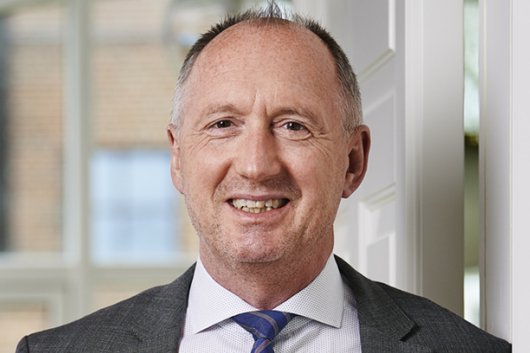
"With our new strategy, Bunker Holding intends to set the agenda for how we can continue to support world trade. The bunkering industry has so far been quite conservative and satisfied with playing a defensive rather than an offensive role. Since the transition to oil nearly a century ago, ships have been driven by the same fuels, and there's been little desire to be visionary or innovative. We're changing that now," explained CEO Keld Demant
Megatrends defining the market
In line with the new strategy, the firm has identified a series of megatrends that it says will define the market over the coming years, whilst also conceding that "no-one knows exactly which drivers will be decisive in 10 years from now".
The phenomenon that sees small players being pushed out whilst larger operators expand their services and market share is cited as one key trend; another is the transition to green energy and the reduction of CO2 emissions.
"Our ambition is to be among the foremost in the world in the transition to sustainable fuels, becoming a valued facilitator between the shipping industry and the producers of new energy products. That's why we're building the foundation necessary to adopt this role. We're recruiting aggressively and building a center of expertise," Demant noted.
A new environmental, social, and corporate governance (ESG) strategy is under preparation, which is set to play a key part in determining how the company functions.
And looking ahead, Bunker Holding believes that, as a major player, in the future it must implement a wider, holistic view of the industry and customers' needs."Our size gives us the opportunity to affect the development in a positive direction. The current pressure from the value chain – from consumers, customers and banks – puts us in a key position as advisors", Demant said.
Annual report imminent
The company's strategy, which has been in development since December 2020, was initially devised as a consequence of the bunker business going through significant changes — especially in terms of the value chain structure, market actors and new fuel types.
And as the fiscal year 2021-22 — which for Bunker Holding runs between May 1 and April 30 — has now come to an end, Demant was able to provide some insight into the group's performance prior to the official release of the annual report at the end of June.
"Financially, we've had one of the most convincing years in our company's history. And if I'm completely honest, it's not without a certain degree of pride that we can present a thoroughly prepared strategy built upon a solid report following a year that's been affected by a strenuous trial," Demant remarked.
|
Monjasa shuffles leadership across Asia and West Africa trading desks
Morten Jacobsen steps down as managing director for Asia, with Simone Piredda relocating from Dubai to take the helm in Singapore |
|
|
|
||
|
Burando Energies appoints Tue Jensen as head of market risk
Dutch marine fuels specialist bolsters its risk function amid international growth plans. |
|
|
|
||
|
Fincantieri floats out Explora V and marks coin ceremony for Explora VI
Two ceremonies at Sestri Ponente shipyard advance construction of MSC's six-ship Explora Journeys fleet. |
|
|
|
||
|
BP advertises for senior physical bunker trader to oversee Europe and Africa marine business
London-based trader is required to manage pricing, accounts and strategy across its marine fuels operation. |
|
|
|
||
|
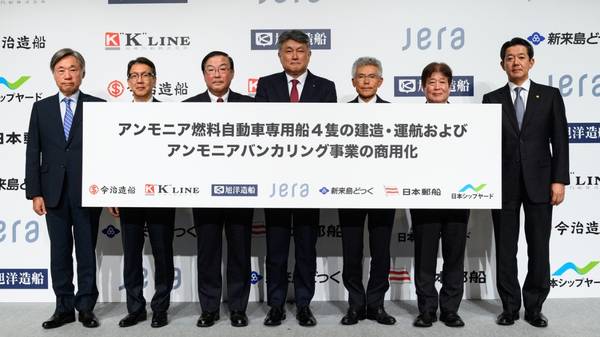
Seven Japanese firms join forces on ammonia-fuelled car carrier project
NYK, K Line and five other companies plan to build four ammonia-fuelled car carriers alongside a dedicated bunkering vessel and supply chain. |
|
|
|
||
|
EmissionLink urges EU to channel ETS revenues into shipping carbon capture trials
Maritime emissions specialist says regulation alone will not make onboard carbon capture commercially viable for shipowners. |
|
|
|
||
|
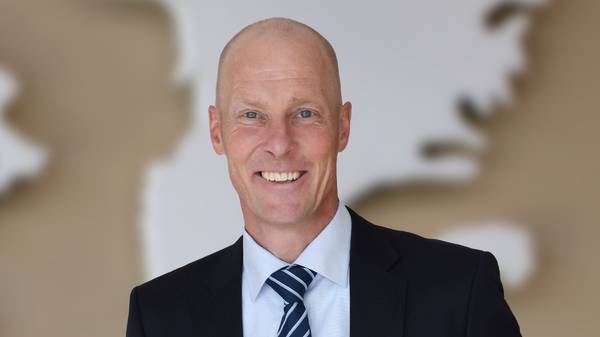
WinGD signs long-term service deals covering 14 LNG carriers with three shipowners
Engine designer secures lifecycle support contracts with COSCO, NYK and TMS Cardiff Gas for dual-fuel LNG vessels. |
|
|
|
||
|
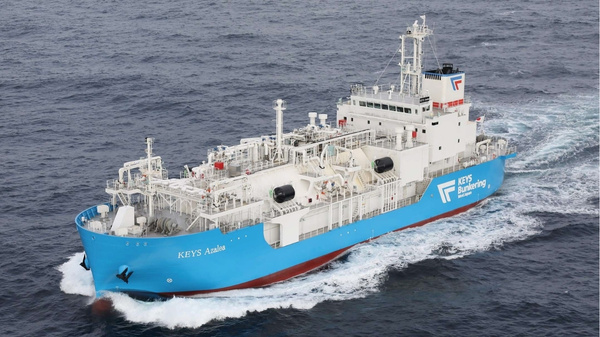
KEYS Azalea completes 100th LNG bunkering operation in western Japan
LNG bunkering vessel reaches landmark delivery in two and a half years. |
|
|
|
||
|
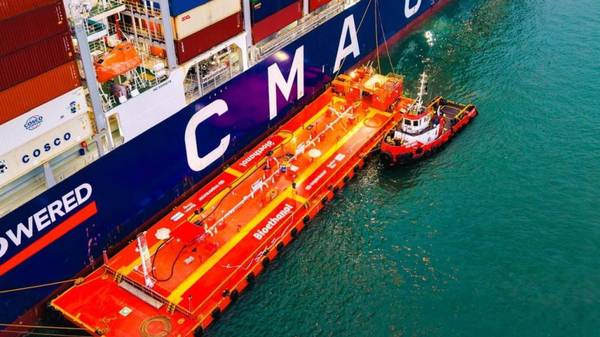
Port of Santos moves to regular ethanol bunkering for ships
CMA CGM, Copersucar and Bunker One expand July pilot into a commercial supply chain for ethanol as a marine fuel in Brazil. |
|
|
|
||
|
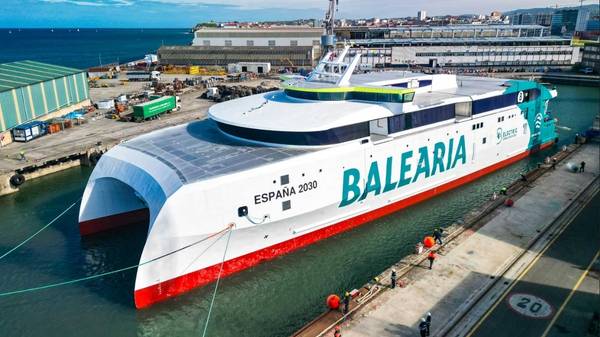
Baleària floats first fully electric fast ferry for Tarifa–Tangier route
Spanish operator's new catamaran, built at Armón's Gijón yard, will enter service in summer 2027. |
|
|
|
||
| Bunker One to supply biofuel in Danish straits [News & Insights] |
| Bunker Holding reports reduced profit of $70m [News & Insights] |
| Monjasa shuffles leadership across Asia and West Africa trading desks [News & Insights] |
| Burando Energies appoints Tue Jensen as head of market risk [News & Insights] |
| Shanghai and Melbourne ports move green shipping corridor into delivery phase [News & Insights] |
| Verde Marine Energy adds two staff as it expands bunkering operations in ARA region [News & Insights] |
| Pinnacle Marine launches two B100-compatible utility boats for Excelessel Offshore [News & Insights] |