|
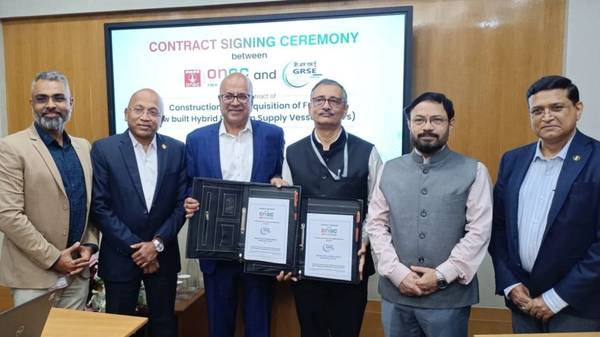
GRSE signs contract with ONGC to build four hybrid platform supply vessels
Indian shipbuilder adds offshore support vessels to its portfolio with hybrid propulsion contract for state oil firm. |
|
|
|
||
|
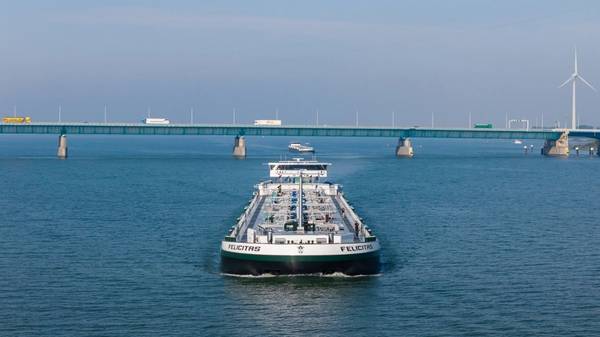
AMS Barging christens methanol-ready tanker as fleet reaches 17 vessels
Dutch inland shipping company adds 9,000-cbm diesel-electric tanker Felicitas, designed for future conversion to methanol bunkering. |
|
|
|
||
|
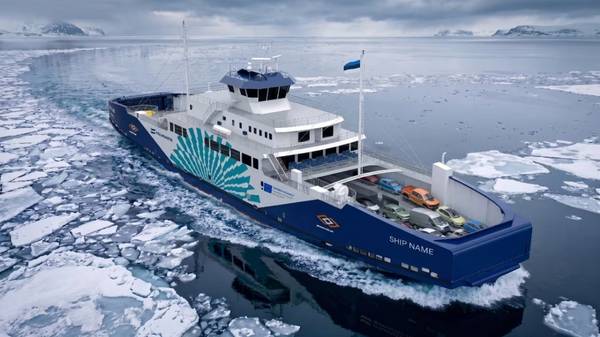
Steerprop to supply next-generation CRP units for Estonia's first electric ferry
Finnish propulsion specialist Steerprop will equip a CRIST-built electric ferry with upgraded contra-rotating propeller technology for the Estonian State Fleet. |
|
|
|
||
|
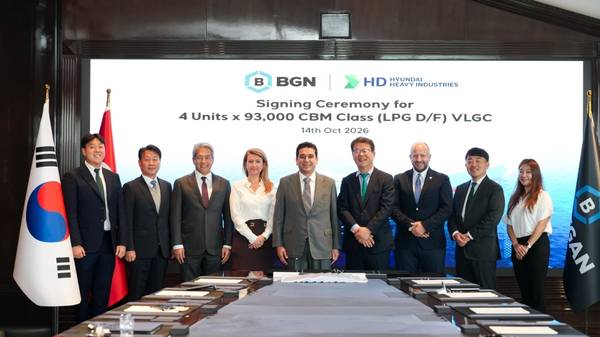
BGN orders four more dual-fuel LPG carriers from HD Hyundai Heavy Industries
New contract brings BGN's 2026 orders with HD HHI to 10 vessels and will increase its owned VLGC fleet to 23 ships. |
|
|
|
||
|
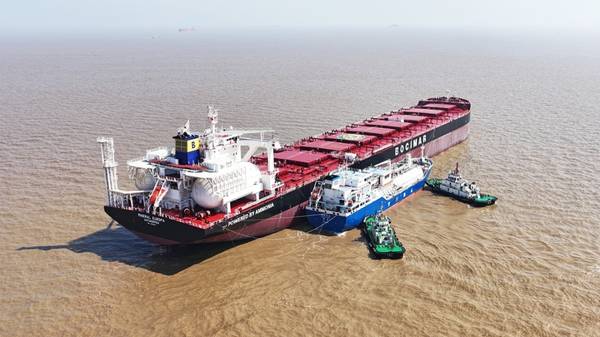
World's first ship-to-ship green ammonia bunkering operation completed in China
Shenghang Yongle supplied 1,000 tonnes of green ammonia to CMB.Tech's Mineral Europa, connecting the fuel's full supply chain. |
|
|
|
||
|
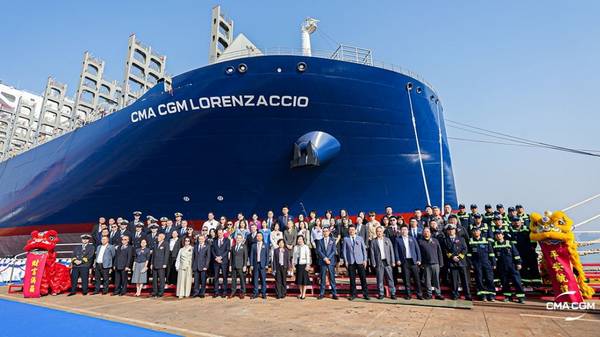
15,000-TEU methanol-powered boxship named CMA CGM Lorenzaccio
French carrier adds literature-inspired vessel to its methanol-powered fleet for deployment on the REX2 service. |
|
|
|
||
|
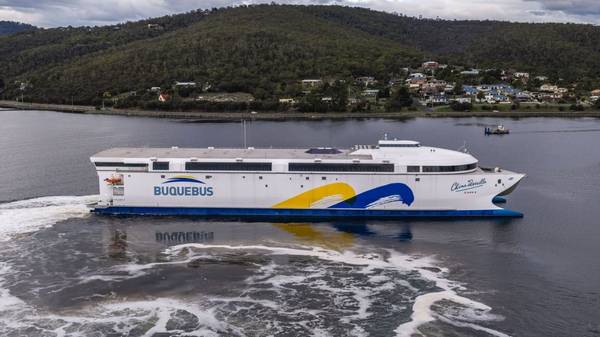
Battery-electric ferries grow in scale as aluminium multihulls gain market share
DNV highlights the rise of battery-electric aluminium ferries, spotlighting the delivery of the world's largest such vessel. |
|
|
|
||
|
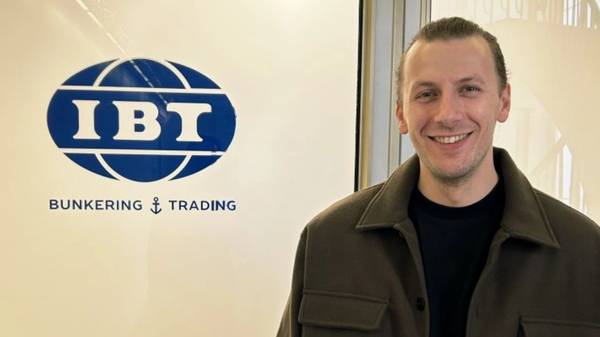
IBT Bunkering & Trading appoints Sales Support Specialist
Björn Hauschild joins from shipyard broker CombiTrade. |
|
|
|
||
|
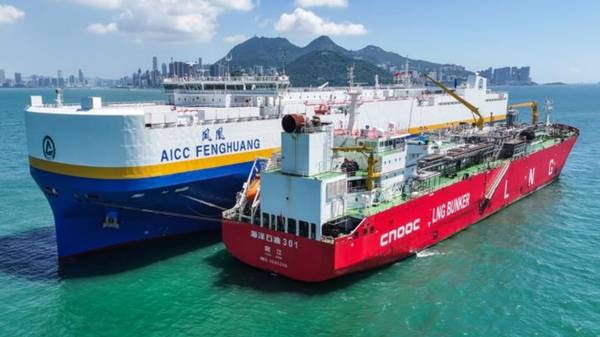
CLPe and CNOOC complete Hong Kong's first LNG bunkering of a pure car and truck carrier
Ship-to-ship operation delivered around 2,600 cbm of LNG to dual-fuel vessel AICC Fenghuang. |
|
|
|
||
|
Mercuria seeks senior sales and account manager for bunker delivery platform
Role can be based either remotely or at one of its offices in London, Geneva, Athens or Las Palmas. |
|
|
|
||
| Shipping firms fined for not switching fuels [News & Insights] |
| 15,000-TEU methanol-powered boxship named CMA CGM Lorenzaccio [News & Insights] |
| Matson christens Makua, first of three LNG-ready Aloha Class container ships [News & Insights] |
| LNG dual-fuel boxship handed over to Eastern Pacific Shipping [News & Insights] |
| Changhong International lays keel of third 3,100-TEU boxship for Costamare Shipping [News & Insights] |
| WinGD signs global service agreement for TMS Cardiff Gas LNG carrier newbuilds [News & Insights] |