Mon 18 Jun 2012, 15:16 GMT

Rio+20: Delivering green growth for shipping


On Saturday 16 June, at a high level 'Oceans Day' event held in Rio de Janiero during the United Nations ‘Rio+20' Summit on Sustainable Development, the International Chamber of Shipping (ICS) presented its views on delivering green growth.

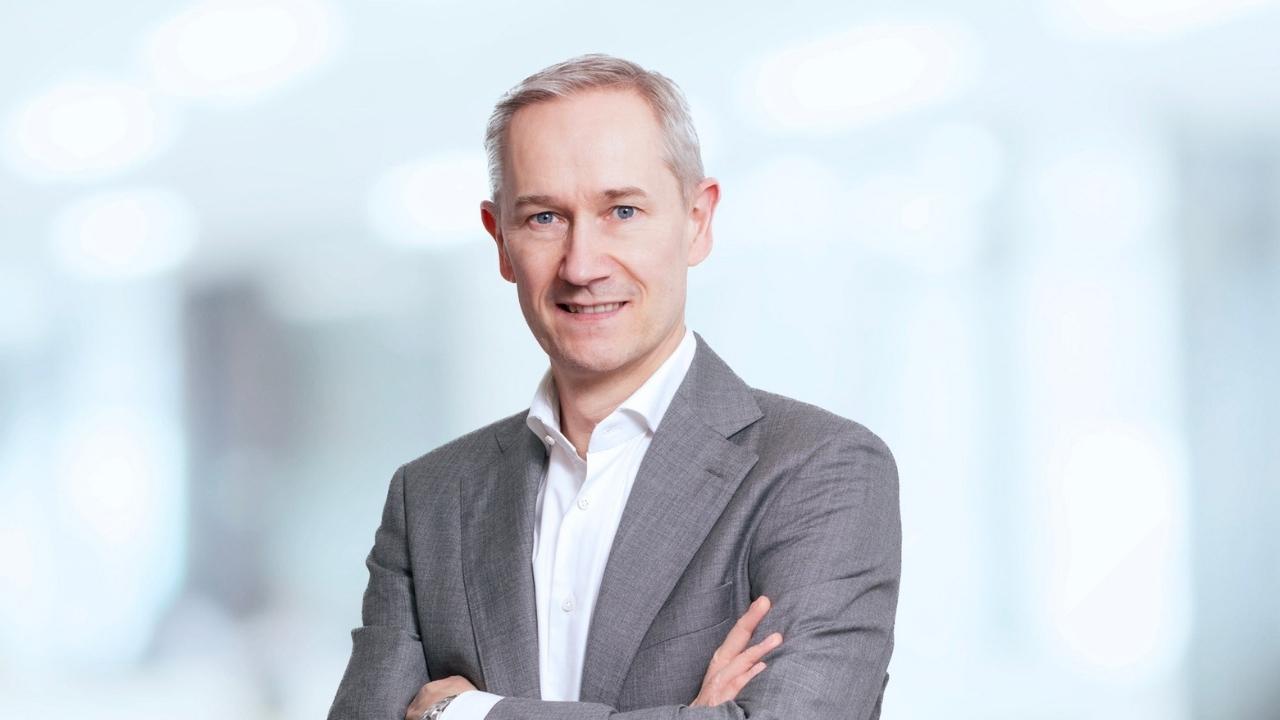
On behalf of ICS, the principal international trade association for shipowners, representing over 80% of the world merchant fleet, ICS Regulatory Affairs Director, David Tongue [pictured], told Rio + 20 delegates: "Shipping carries about 90% of world trade but is already by far the greenest form of commercial transport producing between 40 and 100 times less CO2, per tonne of cargo moved one kilometre than cargo aviation and significantly less than trains and trucks."

"Shipping is the only industrial sector already to be covered by a binding international agreement for the further reduction of CO2 emissions, which will deliver a 20% improvement in energy efficiency by 2020."

He added: "Other international sectors concerned with the oceans could learn a great deal from the way in which the UN International Maritime Organization successfully regulates shipping."

ICS used the UN Summit to explain that without the low cost of transport provided by modern shipping, the movement of raw materials and energy, in bulk, to wherever they are needed, and the transport of manufactured goods and products between the continents would simply not be possible.

ICS advised that the low cost and efficiency of maritime transport has facilitated the movement of much of the world's industrial production to Asia and other emerging economies in Latin America, which underpins the massive improvements to global standards of living that most people have enjoyed in recent decades.

ICS explained that the shipping industry had over 100 years' experience of international governance of its activities, and that the regulatory framework provided by IMO has served the oceans well.

By way of example, ICS reported that the number of significant oil spills has decreased from 233 per year in the 1970s to just 31 per year during the past 10 years, while the volume of maritime trade had more than tripled during the same period. This is because IMO environmental regulations are genuinely implemented and enforced on a global basis through a combination of flag state and port state control.

It was explained that one of the central pillars of IMO regulation, which is ratified and enforced by over 150 nations and applies to 99% of the world fleet, is the MARPOL Convention.

MARPOL comprehensively regulates all aspects of potential sources of ship pollution, ranging from oil and chemicals to atmospheric pollution such as sulphur.

ICS advised that as a result of recent IMO regulation, the sulphur content of ships' fuel will be cut dramatically in emission control areas in 2015, and throughout the world's Oceans with effect from 2020. This is in addition to the new rules adopted to reduce shipping's CO2 emissions that will come into force in January 2013.

It was explained that IMO has also adopted international Conventions governing issues such as ballast water management to prevent the movement of marine micro-organisms that can cause damage to local ecosystems.

ICS stressed that because shipping is an inherently global industry, it was vital for governments to recognize the importance of uniform international rules. "If different rules concerning ship operation or environmental protection were to apply at different ends of a voyage there would be chaos, reducing the smooth flow of global trade in a manner that was safe, clean and efficient." ICS said.

ICS suggested that agreement on the need for government support for IMO, with its track record of preventing the pollution of the Oceans by ships, was vital and should be one of the main outcomes of the Rio +20 Summit.


Arctic Tern vessel. Wallenius Wilhelmsen takes delivery of first methanol-ready Shaper Class vessel  

The dual-fuel Arctic Tern will enter service on the Asia–Europe trade almost immediately.

Al Muraykh vessel. Hapag-Lloyd signs shore power agreement with Hamburg Port Authority  

Deal commits the carrier to using onshore power supply at all Hamburg terminals.

Dorthe Karin Bendtsen, KPI OceanConnect. KPI OceanConnect reports 21% rise in pre-tax earnings for 2025/26  

Marine fuel firm delivers 13 million tonnes and expands carbon markets capabilities amid geopolitical turbulence.

VTTI logo. VTTI Dalian completes first large-scale 'green methanol' vessel loading  

Cargo to be supplied as marine fuel in Shanghai.

Steff Tan, Oilmar. Oilmar appoints Steff Tan as marine fuels trader in Singapore  

New hire's background spans bunker operations, logistics, commercial trading, marketing, and business development.

Feng Da Hai vessel. Cosco Shipping adds methanol-ready bulk carrier Feng Da Hai to fleet  

The 64,000-tonne vessel is equipped with a methanol fuel system for future low-carbon operations.

Oilmar office in Dubai. Oilmar welcomes summer intern to Dubai branch  

Arpit Aryan will rotate across the bunker fuel trading, finance and operations departments.

Aerial view of the Dubai skyline. Oilmar takes on trading and finance intern in Dubai  

New intern to rotate across trading, operations and finance teams.

Seaspan and Maersk signing. Seaspan and Maersk deepen fleet efficiency collaboration with $75m upgrade programme  

Retrofit package for four 13,000-teu vessels includes installation of shaft generator to reduce auxiliary engine fuel consumption.

European Parliament building in Brussels. EU Parliament vote on soy biofuels could expose bloc to $5.6bn a year in trade sanctions  

MEPs reject regulation that would have phased out soy biofuels, risking WTO retaliation penalties.