
|
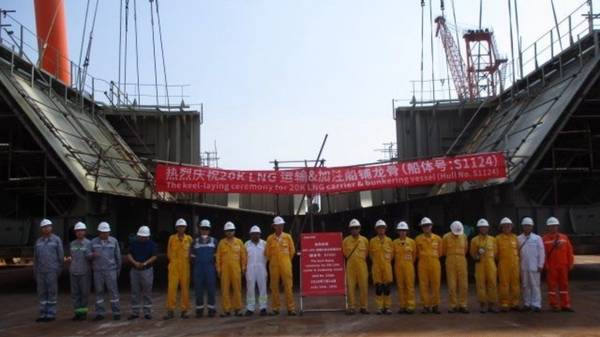
Avenir LNG marks keel laying of newbuild LNG bunker vessel in China
Ceremony held to signal the formal start of the vessel's construction at CIMC SOE. |
|
|
|
||

|
World Fuel seeks operations support representative in Dubai for marine fuels role
Company looking for detail-oriented person with strong organizational skills who is able to manage multiple priorities. |
|
|
|
||
|
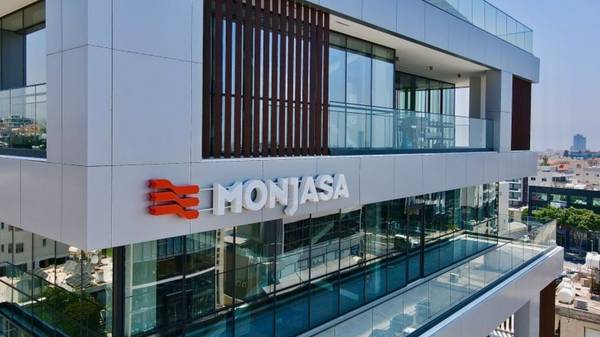
Monjasa moves to new Limassol office in regional 'commitment'
Bunker firm relocates to third office since establishing a presence in Limassol a decade ago. |
|
|
|
||
|
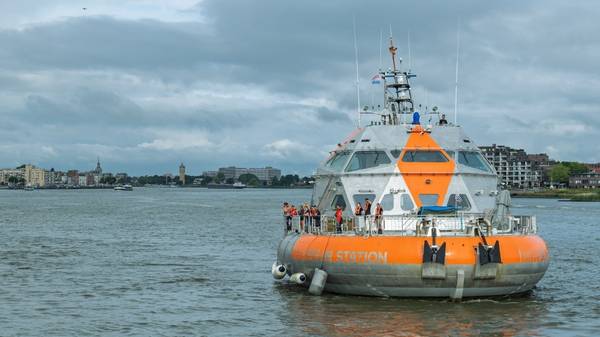
Neste supplies renewable diesel to Tara Ocean Foundation’s first Arctic drift expedition
Finnish fuel producer Neste is supplying renewable diesel to an 18-month Arctic scientific expedition. |
|
|
|
||
|
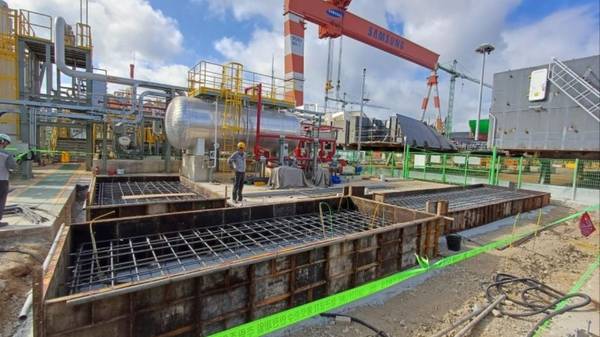
Amogy breaks ground on ammonia-to-power FAT facility in South Korea
New FAT facility in Geoje marks a step towards commercial-scale ammonia-to-power systems. |
|
|
|
||
|
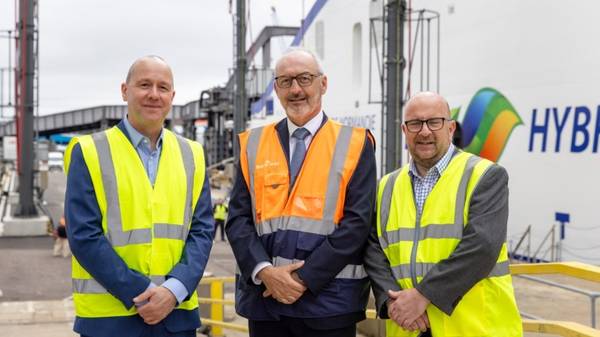
Portsmouth becomes the UK’s first port to offer multi-berth shore power as system goes live
Ferries and cruise ships are now drawing clean electricity at Portsmouth International Port. |
|
|
|
||
|
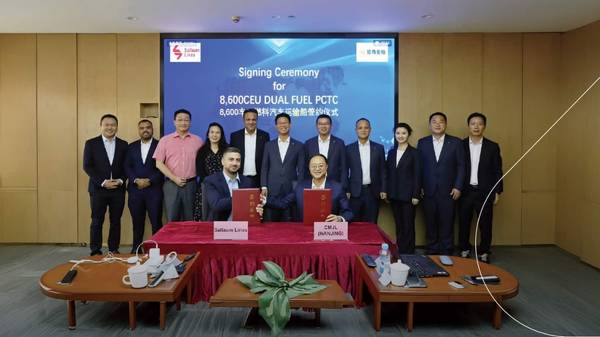
Sallaum Lines signs 1+1 newbuilding order with China Merchants Shipyard for 8,600-ceu PCTCs
Deal brings Sallaum Lines’ total newbuilding programme to nine vessels worth more than $850 million. |
|
|
|
||
|
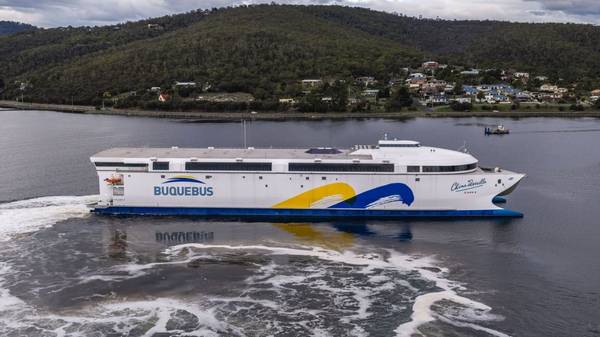
World's largest battery-electric ship departs Tasmania yard ahead of South America delivery
China Zorrilla escorted from Incat Tasmania's shipyard to Macquarie Wharf in Hobart. |
|
|
|
||
|
Agreement signed to bring shore power to Rotterdam shortsea terminal by 2030
Shore power partnership at Rotterdam’s RST terminal targets AFIR compliance and reduced ship emissions at berth by end of decade. |
|
|
|
||
|
Equatorial Marine Fuel receives dual sustainability recognitions in 2026
Singapore-based bunker firm earns the LowCarbonSG logo and an EcoVadis Bronze Medal. |
|
|
|
||
| LNG-powered ships take root in Europe [News & Insights] |
| Study examines LNG as fuel for container ships [News & Insights] |
| Singapore project to evaluate LNG bunkering [News & Insights] |
| Momentum gathers for LNG supply network [News & Insights] |
| IBIA to engage in LNG issues [News & Insights] |
| New dual-fuel RoRo concept with bow-mounted engine room unveiled [News & Insights] |
| NextDF engines achieve 0.9% methane slip for Ibaizabal's LNG bunkering vessel [News & Insights] |
| Wärtsilä signs 10-year lifecycle agreement with MOL for 12 LNG carriers [News & Insights] |
| MOL acquires 25% stake in V.Ships France, adds LNG carriers to managed fleet [News & Insights] |
| Wärtsilä Gas Solutions secures order for LNG systems on four bunkering vessels [News & Insights] |

