Mon 26 Sep 2011, 08:25 GMT

ECA and LNG are key topics at Canada meeting


The introduction of new emissions control areas (ECA) off the coast of the US and Canada and the growth potential for the use of liquefied natural gas (LNG) were two of the key topics discussed at the North American Committee of Germanischer Lloyd (GL), which met at the Hotel Delta in Quebec City, Canada, last week.

The committee examined such topics as GL's activities, both globally and in the Americas, ship efficiency, the rising importance of natural gas for the maritime industry, the technical challenges facing shipping in reducing emissions and upcoming regulations.

The committee, which only celebrated its inauguration in 2010, is made up of representatives from Canadian and American ship owners and operators, ship yards, maritime consultants, and other industry stakeholders, alongside delegates from GL.

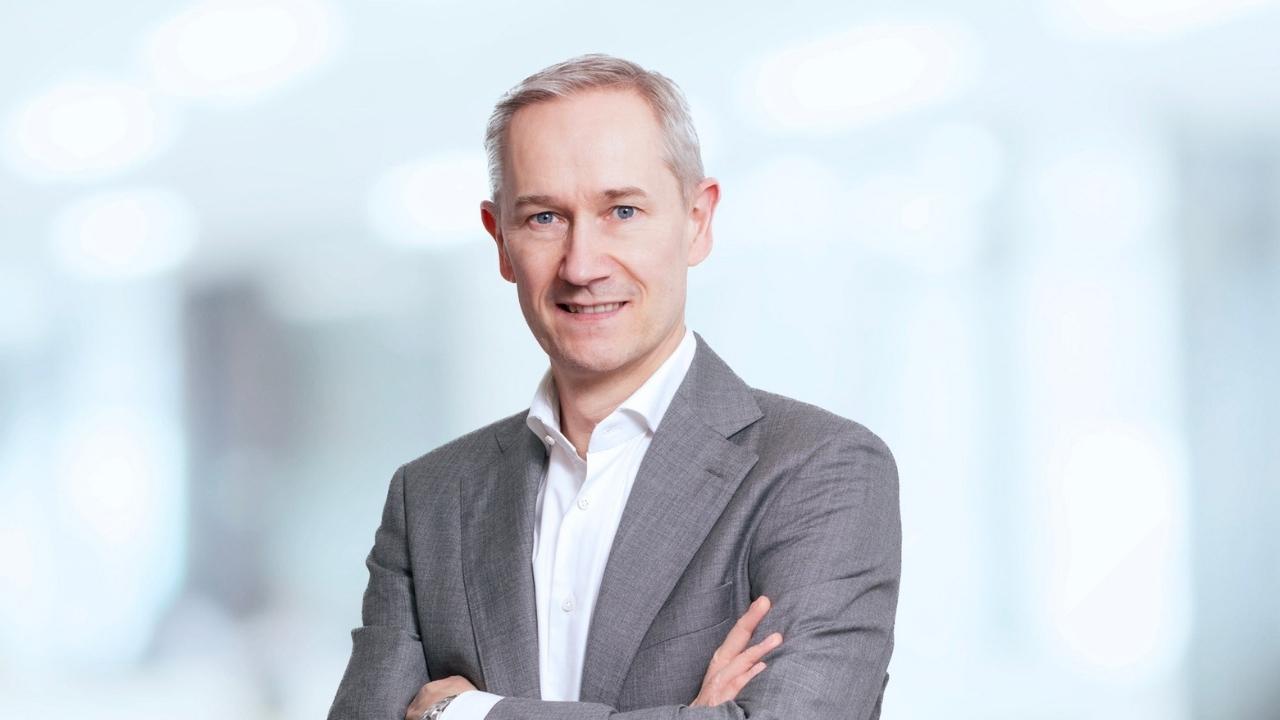
Torsten Schramm, GL's Chief Operating Officer, gave the attendees an overview of the new GL Group structure, highlighting the three business segments: Maritime, Renewables and Oil and Gas. He looked at the trends for the coming years in shipping and celebrated GL's fleet in service topping the 100 million GT mark.

Germanischer Lloyd's new Executive Vice President for the Americas, Uwe Bullwinkel, looked at the development of GL in the region. Mr Bullwinkel was most recently GL's Area Manager for Germany and is in charge of the Areas North/Central and South America. Mr Bullwinkel also looked at the coming introduction of the ECAs in the Americas.

Adopted by the IMO at the 62nd MEPC, these areas will strictly limit the sulphur content of vessels operating in coastal waters. To solve the problems of having to switch to low sulphur content fuel when entering such areas, Mr Bullwinkel presented GL's new fuel change-over manual. This manual is designed to help a ship's crew to plan and perform fuel change-over and minimize the lead time when making a fuel switch, resulting in significant fuel savings.

Retired US Coast Guard (USCG) Admiral Robert North, from North Star Maritime, laid out some of the coming regulations in the American region and their potential impact on the industry. The new 'banning policy' from the USCG could have a significant impact on trading, he noted. Admiral North also examined the capital and installation costs the changes in ballast water treatment regulations could bring.

In his presentation 'Marine Charts a Course Toward Major Natural Gas Demand', John Hatley, from Wartsila North America gave a comprehensive overview of the growth potential for the use of LNG in shipping. The US possesses massive reserves, he said, and the engine technology was tried and tested. Mr Hatley, advised that the current low price of LNG and the coming ECA in North America, combined with a growing infrastructure for gas bunkering and abundant reserves, meant that all the factors for the growing adoption of LNG in shipping were present.


Hapag-Lloyd and DSV logo side by side. Hapag-Lloyd and DSV sign 18,000-tonne CO2e reduction agreement for sustainable marine fuels  

Two-year framework allows inclusion of alternative fuels beyond biofuels in shipping decarbonisation partnership.

Bangkok city skyline. Uni-Fuels opens Thailand office as part of Southeast Asia expansion  

Marine fuel supplier establishes Bangkok entity, appoints managing director with 15 years’ industry experience.

Washington State Hybrid-Electric 160-Auto Ferry vessel render. Corvus Energy to supply battery systems for Washington State Ferries hybrid vessels  

ABB selects Corvus for two new 160-vehicle ferries as part of $3.98bn electrification plan.

Vinssen and Mana Engineering sign MoU. Vinssen, Mana Engineering partner on hydrogen fuel cell retrofit for 800-teu feeder vessel  

South Korean and Dutch firms to pursue Lloyd’s Register approval for hybrid retrofit concept.

Hercules Elisabeth vessel. Hercules Tanker Management takes delivery of second Ultra-Spec vessel in China  

Hercules Elisabeth is the second of 10 hybrid-ready tankers designed for alternative fuels.

Wolf 1 vessel. Petrol Ofisi launches fuel supply tanker Wolf 1  

Turkish bunker supplier adds 1,750-dwt vessel with alternative fuel infrastructure to fleet.

BIMCO meeting. BIMCO to convene for adoption of biofuel clause and ETS provisions at February meeting  

Documentary Committee to consider new contractual frameworks for alternative fuels and emission trading scheme compliance.

Sea Change II vessel render. Incat Crowther and Switch Maritime develop 150-passenger hydrogen ferry for New York  

Design work begins on 28-metre vessel with 720 kg hydrogen capacity and 25-knot speed.

Aerial view of a container vessel. HIF Global signs heads of agreement with German eFuel One for 100,000 tonnes of e-methanol annually  

Deal covers supply from HIF’s Uruguay project, with e-methanol meeting EU RED III standards.

Welcoming of Kota Odyssey at Jordan’s Aqaba Container Terminal. PIL’s LNG-powered vessel makes maiden call at Jordan’s Aqaba port  

Kota Odyssey is Pacific International Lines’ first LNG-fuelled ship to call at the Red Sea port.


 Recommended