
|
IBIA to host ethanol marine fuel workshop in New York
Limited-capacity session will examine ethanol’s commercial, technical and regulatory prospects as a shipping fuel. |
|
|
|
||
|
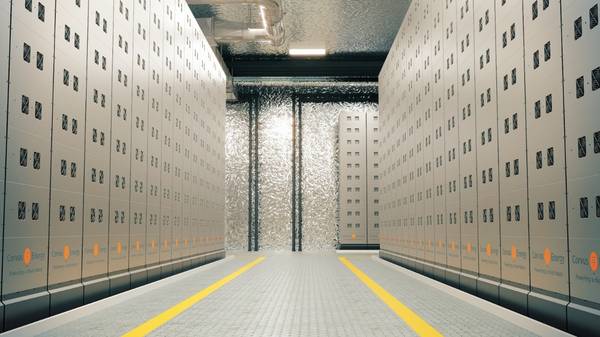
Corvus Energy’s Blue Whale NxtGen battery system gains DNV type approval
DNV approval confirms the safety and performance of Corvus Energy’s large-scale battery system for ferries, cruise ships and offshore vessels. |
|
|
|
||
|
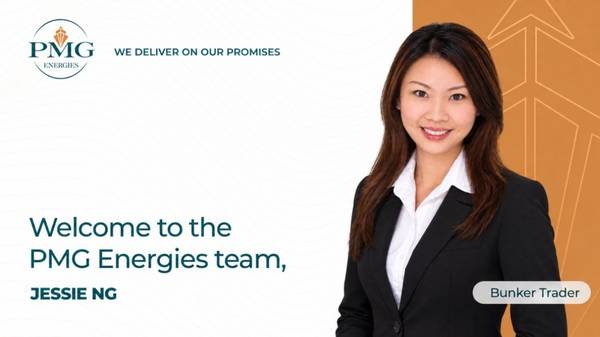
PMG Energies appoints Jessie Ng as bunker trader in Singapore
Bunker firm adds experienced trader to Singapore team. |
|
|
|
||
|
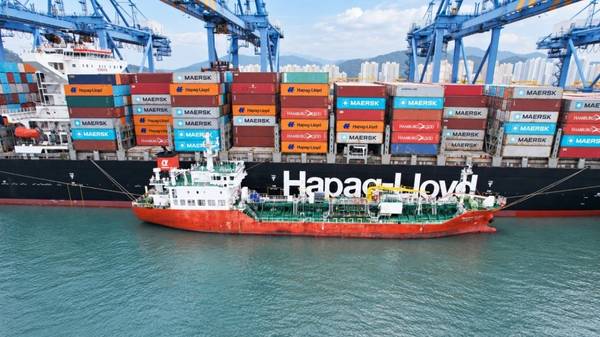
Hapag-Lloyd completes simultaneous-operations biomethanol bunkering in Busan
Container line bunkers ISCC EU-certified biomethanol from Goldwind during SIMOPS, advancing its 2024 supply agreement. |
|
|
|
||
|
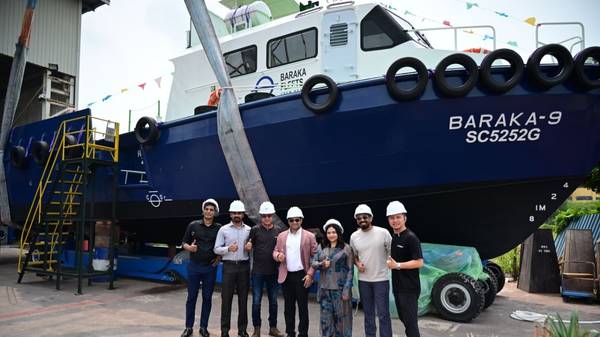
Pinnacle Marine launches B100-compatible harbour craft Baraka-9 for Trans Wave
Singapore shipbuilder adds another biodiesel-ready vessel to a fleet renewal programme aimed at harbour craft decarbonisation. |
|
|
|
||
|
Glander International Bunkering creates European commercial director role, appoints Rune Kongstein
Marine fuels firm is aligning its European operations under a single commercial leadership structure. |
|
|
|
||

|
VPS to run marine fuel management course in the Netherlands this November
Two-day training programme covers fuel quality, handling and decarbonisation regulations. |
|
|
|
||
|
Wind-assisted propulsion 'no longer just a concept', ICS panel says
Shipowners weigh wind power as a practical, low-risk route towards decarbonisation targets. |
|
|
|
||
|
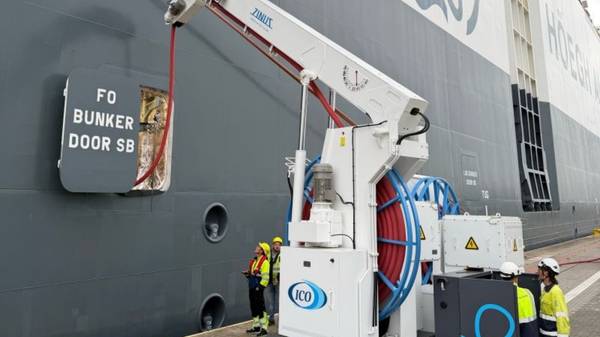
Höegh Autoliners vessel connects to shore power for the first time in Europe
Höegh Starlight used 11 kV shore power in Zeebrugge, allowing it to switch off its auxiliary engines while alongside. |
|
|
|
||
|
Chinese shipbuilder ROC signs deal for up to eight methanol-ready CSOVs
Contract signed with European shipowner for vessels designed for offshore wind farm maintenance work. |
|
|
|
||
| Vietnam's first refinery almost complete [News & Insights] |
| Vietnam in LNG deal for coastal shipping [News & Insights] |
| Höegh Autoliners vessel connects to shore power for the first time in Europe [News & Insights] |
| Maersk completes first US ethanol bunkering of a deep-sea container ship [News & Insights] |
| TFG Marine fits mass flow meter to Jamaica-bound bunker barge [News & Insights] |
| Japan completes world's first ship-to-ship ammonia bunkering to ammonia-fuelled vessel [News & Insights] |
| Japan Engine completes land-based testing of landmark hydrogen-fuelled engine for large vessels [News & Insights] |

