Mon 23 Aug 2010, 12:13 GMT

Hedging volume rise for Global Risk Management


Danish firm attributes hedging rise to an increase in oil supplier volumes during the second quarter of 2010.


Danish risk management specialist A/S Global Risk Management has revealed that it has seen a rapid rise in the number oil suppliers looking to hedge oil price risk, which has contributed towards a 32 percent rise in hedging volume during the second quarter of 2010.

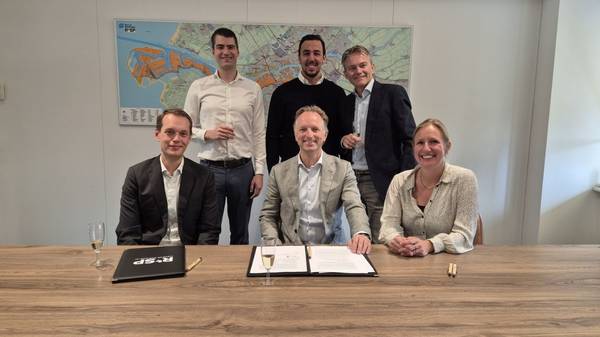
“The increase we have seen in Q2 2010 compared to same quarter last year is primarily driven by an increase in volumes with oil suppliers”, said Jan Knudsen [pictured], Executive Sales Director at Global Risk Management.

“We have traded with oil suppliers for many years, but recently we have experienced an increasing number of oil suppliers wishing to manage oil price fluctuations,” Knudsen added.

Global Risk points out that the typical risk oil suppliers face is the time difference between buying a cargo and selling the product again in the bunker market. The longer the time it takes to sell the product, the greater the risk of declining prices. However, with fuel price risk management, also known as hedging, Global Risk points out that there is a way to address the issue.

Knudsen said: “Through our experience we have learned that suppliers operate in very different ways and require unique solutions in order to mitigate the risks in their operation. We have specialised in offering customised solutions. For example, we offer broken dates instead of only full month. We work with the supplier to determine which solution matches his specific needs whether that would be selling the full month average of a certain Platts quote or the purchase of just three specific dates”.

Commenting on the issue of oil price risk, Morten Groenbech Terp, Oil Risk Manager said “We are aware that nothing is static in the oil business and will work with the supplier to change the hedge should it happen that different circumstances affect the sale of the products and thus creates a mismatch between the hedge and the operational business."

Terp commented that customized tools such as Swaps with broken dates were particularly popular at the moment, adding: “Suppliers are learning to turn volatility into opportunity”.


Nicklas Mikkelsen, Malik Supply. Malik Supply hires first trader for new Dubai office  

Nicklas Mikkelsen joins Danish bunker supplier ahead of January 2026 launch.

Tallink’s MyStar vessel. Tallink's MyStar joins Gasum's FuelEU Maritime compliance pool using bio-LNG  

Nordic energy company Gasum signs pooling agreement with Elenger to generate compliance surplus.

Methane Abatement in Maritime Innovation Initiative (MAMII) speakers. Maritime coalition gathers in Brussels to advance methane measurement and abatement technologies  

MAMII convenes shipowners, engine makers, and policymakers to accelerate methane reduction from LNG-fueled vessels.

Green oil bubbles. BIMCO delays biofuel clause for time charters to spring 2026  

Maritime organisation pushes back publication to address safety, technical requirements, and industry feedback.

Group photo of participants at the REMPEC expert meeting. Mediterranean moves closer to nitrogen oxide emission controls  

Expert meeting endorses feasibility study with 2032 target for Med NOx ECA implementation.

Seaboard Venture naming ceremony. Sanfu Shipbuilding delivers final 3,500 TEU dual-fuel container ship to US owner  

Taizhou-based shipyard completes first batch of LNG-powered vessels with "zero accidents, zero delays".

Aerial view of a container vessel. FuelEU Maritime regulation reshapes ship management contracts, DNV says  

DNV's Emissions Connect aims to provide neutral data for commercial negotiations under new rules.

Illustration of Scales of Justice with cargo ship and penalty block. FuelEU penalties spark contract disputes as first-year compliance costs emerge  

Shipowners and charterers negotiate biofuel handling, payment timing, and multiplier penalties under new regulations.

Marina Bay Sands, Singapore. Singapore tops first global container port ranking by DNV and Menon Economics  

The port leads across all five assessment pillars in inaugural industry report.

Jack Spyros Pringle, Lloyd’s Register. Marine fuel procurement becomes strategic imperative as regulatory pressures mount: LR  

Operators must adopt comprehensive fuel strategies amid supply constraints and compliance costs, says Lloyd's Register.


 Recommended