

|
Burando Energies appoints senior bunker trader to lead Latin America expansion
Paola Prieto joins Burando Energies’ trading team with a focus on Latin American growth. |
|
|
|
||
|
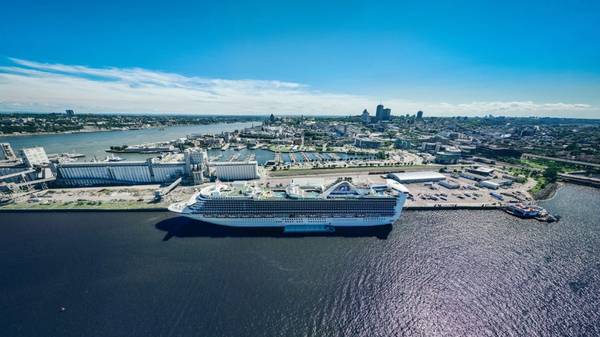
Port of Québec secures C$5.1m from provincial government for shore power electrification
Funding will support shore power infrastructure at two wharves, targeting availability by autumn 2028. |
|
|
|
||
|
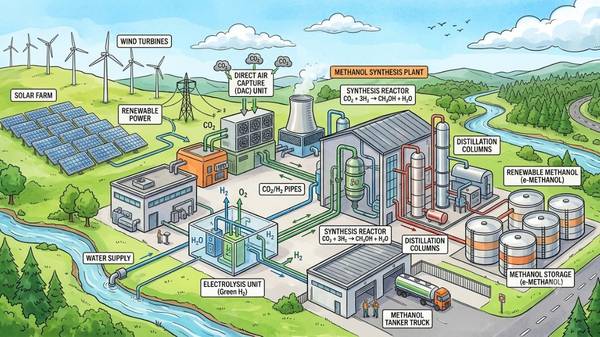
Renewable methanol pipeline growth slows in 2026 as IMO framework delay weighs on maritime demand
Aviation sector partially offsets maritime slowdown as the global renewable methanol pipeline reaches 61.8 million tonnes. |
|
|
|
||

|
Malik Supply adds bunker trader to Dubai office
Sales professional Priya Choudhary joins Danish bunker firm's UAE operation. |
|
|
|
||
|
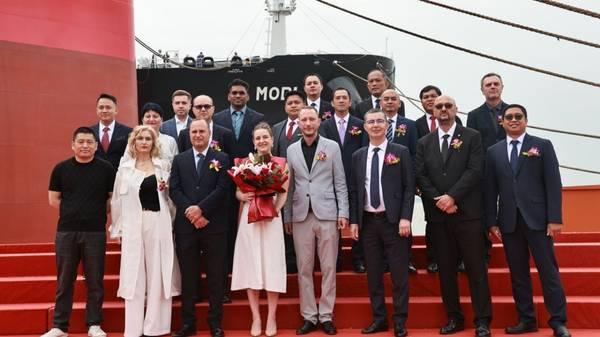
Bureau Veritas classes tanker with biofuel-ready and LNG-prepared capabilities
New Times Shipbuilding delivers 73,500-dwt M/T Modi for Dynacom |
|
|
|
||
|
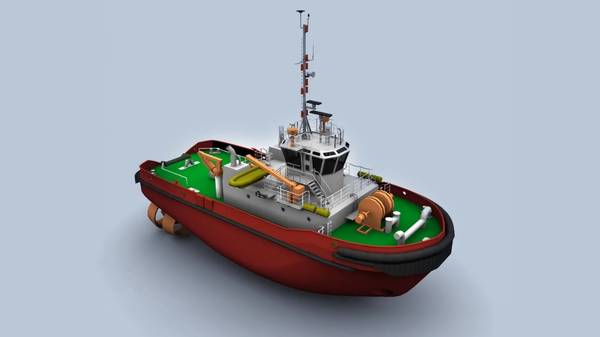
Echandia wins battery contract for two electric tugs under India’s Green Tug Transition Programme
Swedish battery maker secures second and third electric tug contracts in India’s port decarbonisation drive. |
|
|
|
||
|
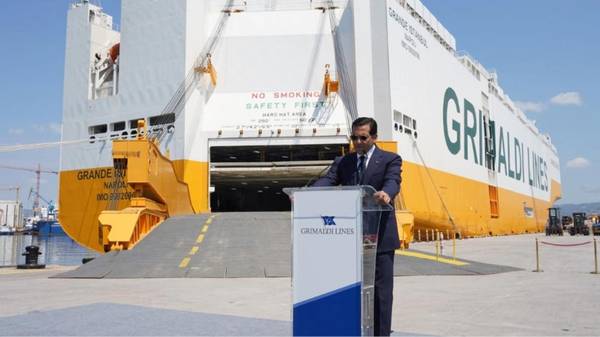
Grimaldi presents ammonia-ready car carrier Grande Istanbul at Turkish port ceremony
Vessel is one of 17 next-generation PCTCs commissioned by the Italian shipping group. |
|
|
|
||
|
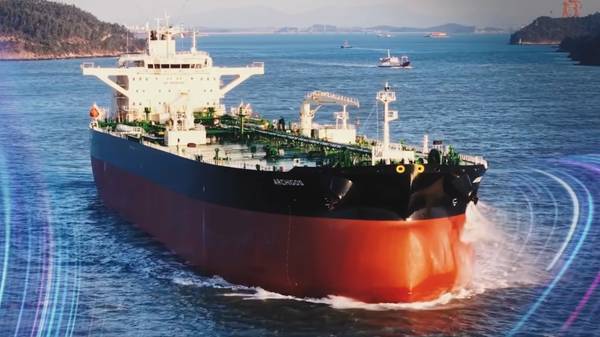
Capital Ship Management takes delivery of methanol-ready Suezmax tanker Archigos
The 157,000-dwt vessel, built in South Korea, features AI-assisted navigation and energy-saving technology. |
|
|
|
||
|
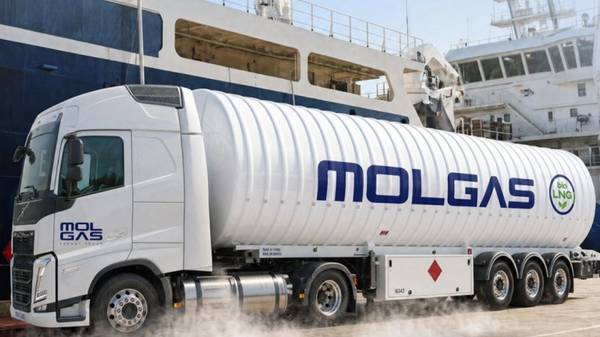
Molgas secures 10-year LNG truck-to-ship licence at the Port of Bilbao
Spanish energy group obtains decade-long operating licence for LNG bunkering operations. |
|
|
|
||
|
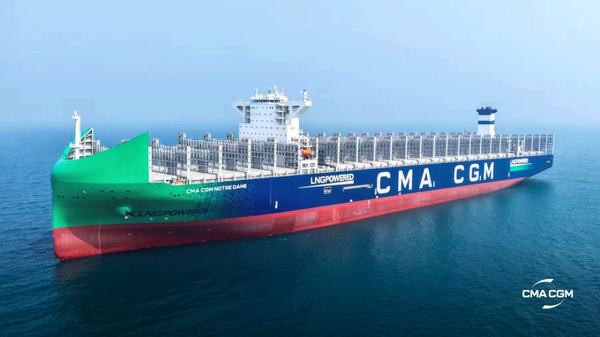
CMA CGM names world’s largest LNG-powered containership in Le Havre
The CMA CGM Notre Dame is formally welcomed into the French carrier’s fleet. |
|
|
|
||
| Fuel oil imports into South China up in February - source [News & Insights] |
| China: Fuel oil imports fall in November [News & Insights] |
| Japan: Bunker C sales nosedive in November [News & Insights] |
| Grimaldi's Grande Svezia makes inaugural Le Havre call with ammonia-ready design [News & Insights] |
| Wärtsilä to install world's largest marine battery hybrid system on Wasaline ferry [News & Insights] |
| Grimaldi takes delivery of second ammonia-ready car carrier [News & Insights] |
| China Classification Society certifies 740-teu pure-electric container ship [News & Insights] |
| Viking Line reports cargo record and tenfold biogas increase in 2025 [News & Insights] |

