
|
Osprey Energy seeks junior bunker trader to support Cebu trading activities from Netherlands
Dutch marine fuel supplier targets Cebu region expansion through new training programme for Filipino candidates. |
|
|
|
||
|
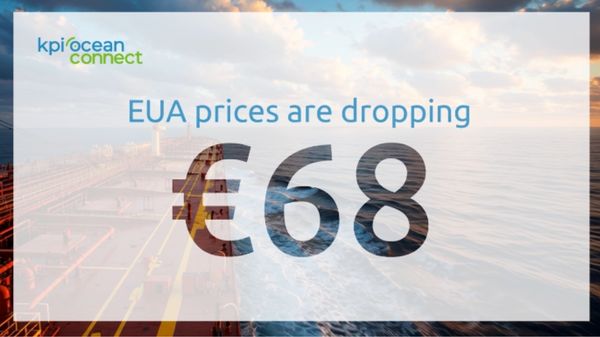
KPI OceanConnect highlights falling EUA prices as opportunity for shipowners to lock in compliance costs
Marine fuel supplier says timing carbon allowance purchases can reduce costs as EU emissions scope expands. |
|
|
|
||
|
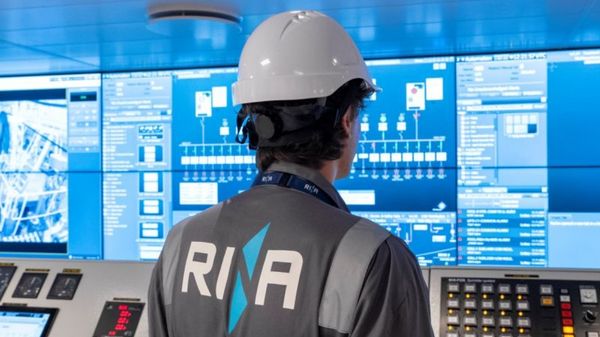
RINA partners with Hanwha Group on battery-hybrid propulsion for ro-ro ferries
Classification society to provide regulatory compliance verification for hybrid battery systems on newbuilds and retrofits. |
|
|
|
||
|
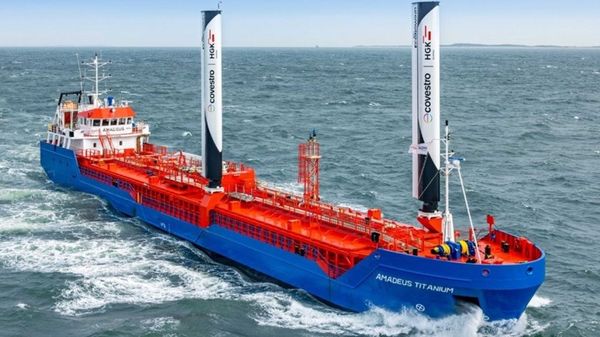
HGK Shipping’s Amadeus Titanium fitted with wind assistance system
Coastal vessel equipped with VentoFoils at Dutch port to reduce fuel consumption on Covestro routes. |
|
|
|
||
|
Bunker One expands physical supply operations to Tallinn and Finland
Marine fuel supplier extends Baltic Sea coverage with new operational presence in Estonia and Finland. |
|
|
|
||
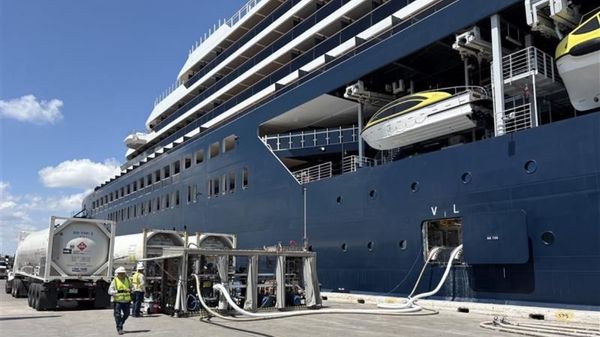
|
Sawgrass LNG & Power completes first shore-to-ship LNG bunkering at Port Everglades
Operation fuelled Ritz-Carlton Yacht Collection vessel Ilma on March 26, marking expansion of marine LNG infrastructure. |
|
|
|
||
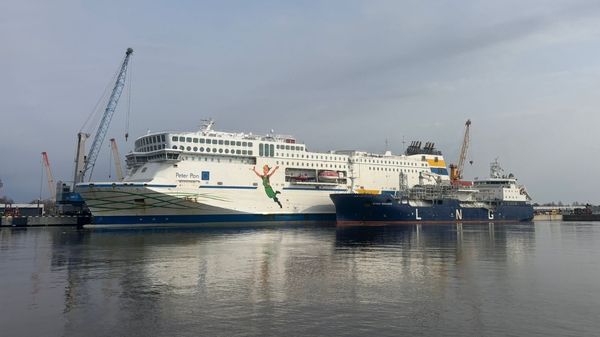
|
Avenir LNG completes first ship-to-ship LNG bunkering of ferry in Klaipeda
Operation marks Lithuania’s first STS LNG bunkering of a ferry, expanding Avenir’s Baltic operations. |
|
|
|
||
|
Auramarine to host webinar on ammonia fuel supply systems and safety considerations
Finnish marine equipment provider schedules 16 April session on ammonia as an alternative fuel for shipping. |
|
|
|
||
|
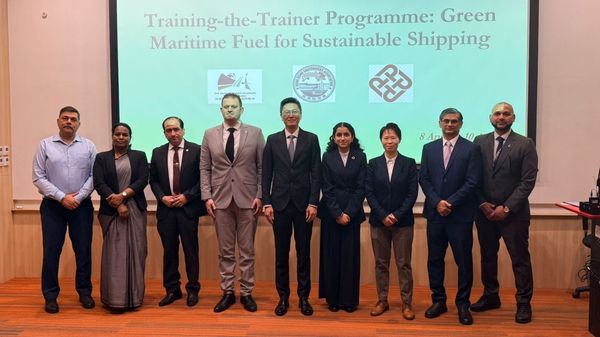
Hong Kong launches world’s first government-led green maritime fuel trainer programme
Three-day course aims to certify trainers in alternative fuels, including ammonia, methanol and hydrogen. |
|
|
|
||
|
The emergence of B100 FAME in a volatile distillate market | Paul Hoather, VPS
VPS UK Sales Manager provides recommendations following increased B100 usage due to price dynamics. |
|
|
|
||
| Low sulphur fuel policy pays environmental dividends [News & Insights] |
| Wallenius Wilhelmsen calls for cuts in CO2 emissions [News & Insights] |
| World's largest methanol-powered RoRo ship delivered to CMES [News & Insights] |
| U-Ming becomes first Taiwanese shipowner to install rotor sails [News & Insights] |
| LD Armateurs launches first of three wind-assisted RoRo vessels for Airbus transatlantic route [News & Insights] |
| DNV clarifies FuelEU Maritime flexibility mechanisms ahead of first reporting deadline [News & Insights] |
| GEFO bunkers biofuel for first time as Gioconda runs on B100 UCOME [News & Insights] |

