Wed 4 Nov 2009, 07:28 GMT

WFS net income drops 27 percent


Q3 marine segment profit falls 37 percent during 'challenging economic conditions'.


World Fuel Services Corporation (WFS), a global leader in the marketing and sale of marine, aviation and land fuel products and related services, has reported a 27 percent year-on-year fall in net income for the third quarter compared to the same period last year.

Net income for the July to September period was $29.1 million or $0.97 per share compared to $40.1 million, or $1.37 per share in the third quarter of 2008, representing a decrease of $11 million.

However, third quarter net income was $1.4 million higher than during the prevous quarter when it reached $27.7 million or $0.93 per share.

Non-GAAP net income for the third quarter, which excludes share-based compensation and amortization of acquired intangible assets, was $31.4 million or $1.04 non-GAAP diluted earnings per share compared to $43.6 million or $1.49 non-GAAP diluted earnings per share in the third quarter of 2008.

The marine segment generated third quarter gross profit of $40.2 million, $0.1 million lower than the previous quarter and 37 percent down from the record results achieved in the third quarter of last year.

Commenting on the results, Michael J. Kasbar, president and chief operating officer, said “The marine business performed well despite challenging economic conditions.”

The company’s aviation segment generated gross profit of $42.9 million in the third quarter of 2009, an increase of $3.1 million or 8% sequentially, but a decrease of 15% from last year’s record third quarter. The company’s land segment posted gross profit of $11.7 million in the third quarter, an increase of 2% sequentially and 15% year-over-year.

“Our aviation segment posted strong sequential volume growth, resulting in the first year-over-year increase in five quarters and achieving volumes not seen since the second quarter of 2008,” said Paul H. Stebbins, chairman and chief executive officer of World Fuel Services Corporation. “We remain focused on aggressively managing risk, improving our customer offering and enhancing our global supply relationships.”


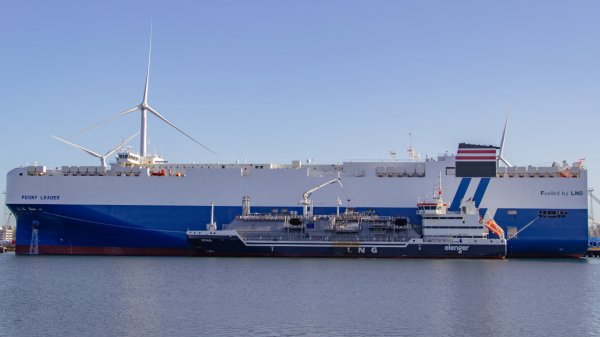
Titan Optimus alongside Peony Leader vessel. FuelEU pooling drives surge in bio-LNG demand, Titan analysis finds  

Clean fuel supplier's modelling shows pooling mechanism turning overcompliance into tradable value for LNG-fuelled ships.

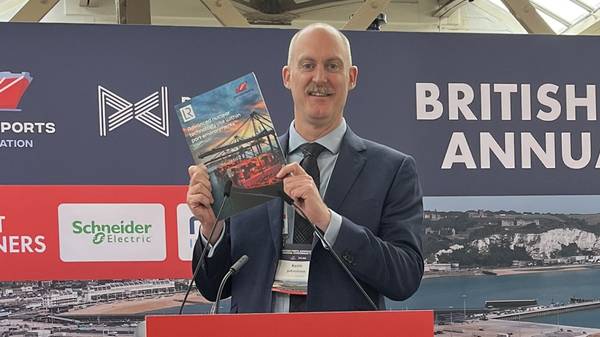
Keith Johnstone, Lloyd’s Register. Ports told to prepare now for advanced nuclear power  

Joint paper sets out a readiness pathway for ports facing nuclear-powered vessels, floating reactors and small modular units

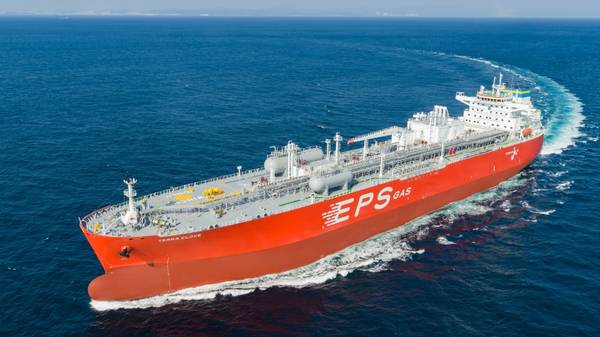
Terra Clove vessel. Eastern Pacific Shipping takes delivery of first ammonia dual-fuel VLAC  

Terra Clove powered by first Everllence B&W 6G60ME-C10.5-LGIA ammonia dual-fuel two-stroke engine.

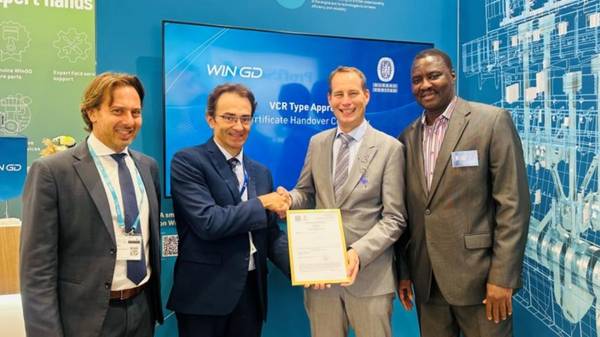
BV grants type approval to WinGD. Bureau Veritas approves WinGD's variable compression ratio technology for dual-fuel engines  

Classification society grants type approval to engine technology enabling compression ratio adjustment across different marine fuels.

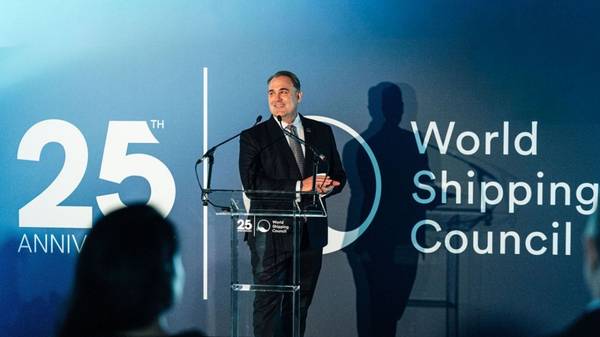
Joe Kramek, WSC. Dual-fuel fleet passes 500 ships as investment tops $200bn  

World Shipping Council data shows dual-fuel container ships and vehicle carriers growing fast, with IMO rules uncertain.

VPS Carbon Reduction seminar in Athens graphic. VPS to host Athens seminar on fuel efficiency and carbon reduction  

VPS's final European round table of 2026 will cover marine fuels, lubricants and decarbonisation in Athens.

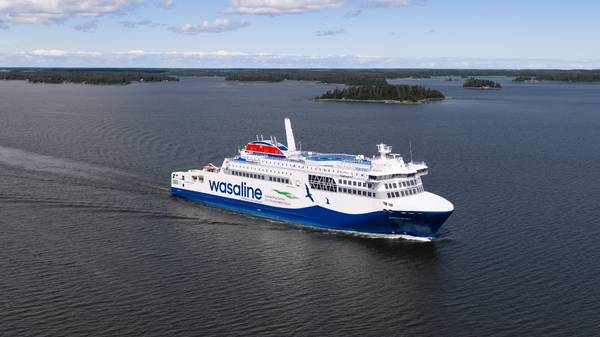
Aurora Botnia vessel. Wasaline secures locally produced biogas supply from St1 Biokraft for Vaasa–Umeå ferry  

Agreement will supply 42 GWh of liquefied biogas annually, with deliveries due to start in January 2028.

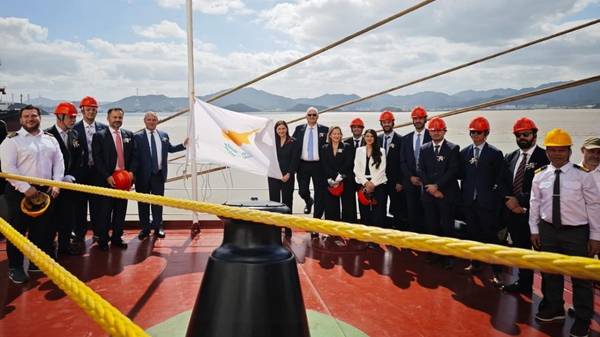
Kypros Island delivery ceremony. Safe Bulkers takes delivery of first dual-fuel methanol Kamsarmax newbuild  

Kypros Island becomes the first dual-fuel bulker to enter the Cyprus Registry.

Singapore waterfront skyline. PetroChina seeks LNG bunker trader to expand Asian marine fuel business  

Role requires five to ten years of commercial experience in LNG, bunker trading, marine fuels, commodities, or energy trading.

Shanghai–Melbourne Green Shipping Corridor (GSC). Shanghai and Melbourne ports move green shipping corridor into delivery phase  

Ports launch implementation plan targeting green methanol, biofuels and shore power by 2035.