
 |
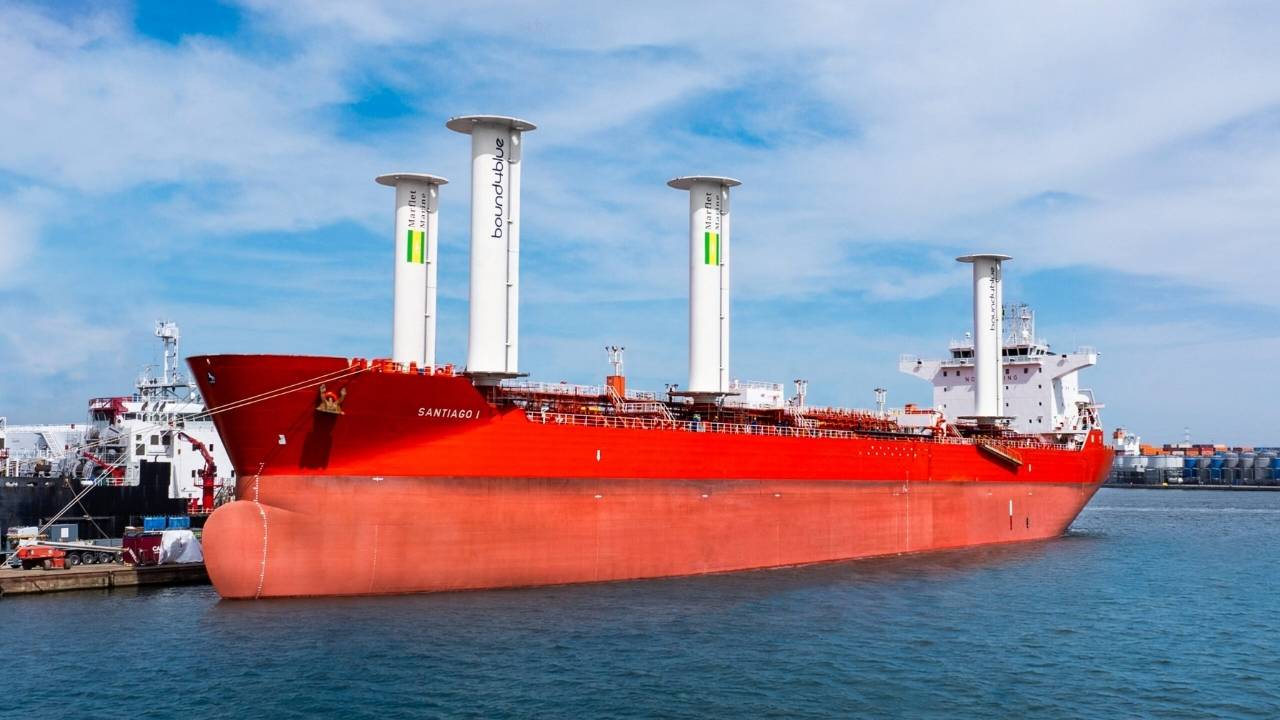
Bound4blue has completed the installation of four 22-metre eSAIL suction sails on board the Santiago I, a 49,999 deadweight-tonne chemical tanker operated by Marflet Marine, marking the first time a Spanish merchant fleet owner has put wind-assisted propulsion technology of this type into service.
The installation was completed at EDR Antwerp Shipyard, following preparatory work at IMC Shipyard in Zhoushan, China. Engineering support was provided by Cotenaval. The contract between bound4blue and Marflet Marine was signed in May 2024.
According to bound4blue, the technology is expected to reduce annual energy consumption on Santiago I by approximately 10–15%, depending on trading patterns and weather conditions. The company says the installation will also reduce greenhouse gas emissions and lower the vessel’s exposure to carbon costs under the EU Emissions Trading System (EU ETS), while supporting compliance with the FuelEU Maritime Regulation.
Bound4blue describes its eSAIL system as fully autonomous, generating additional propulsive force by drawing air across an aerodynamically optimised surface, creating lift that the company claims is up to seven times greater than conventional rigid sails of the same size. The system carries DNV Type Approval and is classified as non-ATEX, making it suitable for tanker operations.
José Miguel Bermúdez, CEO and co-founder of bound4blue, remarked: "Seeing Santiago I enter service with our eSAIL technology on board is a particularly proud moment. It brings together two Spanish companies committed to demonstrating that innovation developed at home can help shape the future of international shipping. Marflet Marine showed real leadership by becoming the first Spanish merchant fleet owner to embrace wind-assisted propulsion in 2024. Today that vision has become reality. It's another example of how practical, scalable technologies are enabling owners to improve efficiency, reduce emissions and strengthen competitiveness without fundamentally changing the way their vessels operate."
Juan Cremades, Fleet Director at Marflet Marine, stated: "We committed to this project because we believed wind-assisted propulsion offered a practical way to strengthen both environmental performance and commercial competitiveness. We're really excited to see those benefits take shape on board Santiago I as it sails into a new age of operation — demonstrating how investment in proven innovation today can deliver lasting value in the years to come, both for our own business and the wider industry. Given our confidence in this technology, our next step will be to order additional eSAILs® for other vessels in our fleet."
Bound4blue's eSAIL systems are designed for both retrofit and newbuild projects and for a range of vessel types, including tankers, bulk carriers, Ro-Ro vessels, ferries, cruise ships, gas carriers and general cargo vessels.
The company says it has now deployed eSAIL systems on twelve ships in total, with a further six vessels in its order book, representing more than 50 units across its installed and contracted base. Its client portfolio includes Eastern Pacific Shipping, Maersk Tankers, Odfjell, Klaveness Combination Carriers, BW Epic Kosan and Louis Dreyfus Company.
Founded in 2014 and headquartered in Cantabria, Spain, bound4blue has offices in Barcelona, Singapore, Shanghai and Suzhou. Marflet Marine is a privately owned Spanish company with around seven decades of history in the management, operation and chartering of chemical tankers.
|
Wind-assisted propulsion 'no longer just a concept', ICS panel says
Shipowners weigh wind power as a practical, low-risk route towards decarbonisation targets. |
|
|
|
||
|
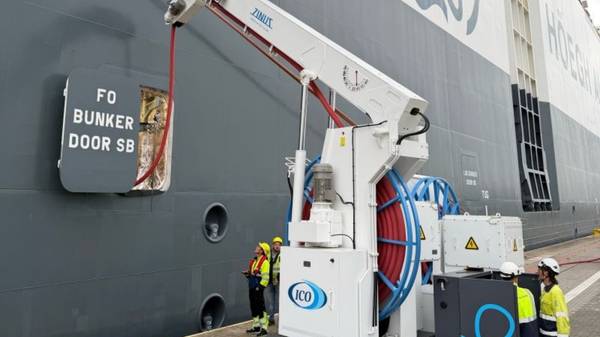
Höegh Autoliners vessel connects to shore power for the first time in Europe
Höegh Starlight used 11 kV shore power in Zeebrugge, allowing it to switch off its auxiliary engines while alongside. |
|
|
|
||
|
Chinese shipbuilder ROC signs deal for up to eight methanol-ready CSOVs
Contract signed with European shipowner for vessels designed for offshore wind farm maintenance work. |
|
|
|
||
|
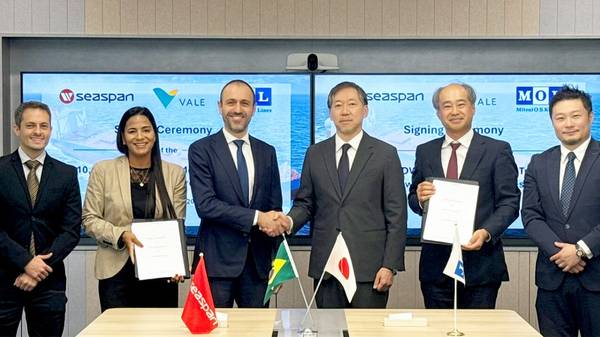
MOL and Vale sign 25-year deal for tri-fuel ore carriers
New vessels will be able to run on ethanol, methanol or heavy fuel oil, offering fuel flexibility. |
|
|
|
||

|
ScanOcean appoints Lars Malmbratt as senior commercial manager
Swedish firm strengthens commercial team with experienced industry executive based in Gothenburg. |
|
|
|
||
|
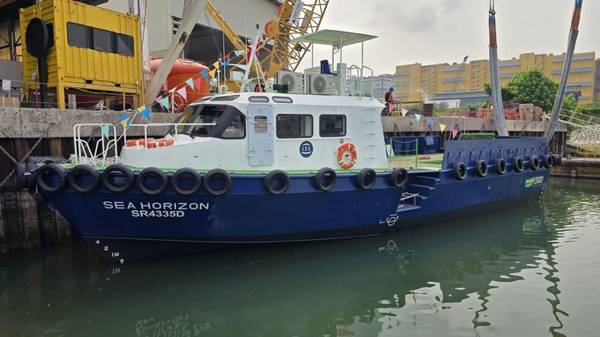
Pinnacle Marine launches second B100-compatible harbour craft for Les Star
Sea Horizon joins Singapore’s harbour craft fleet. |
|
|
|
||
|
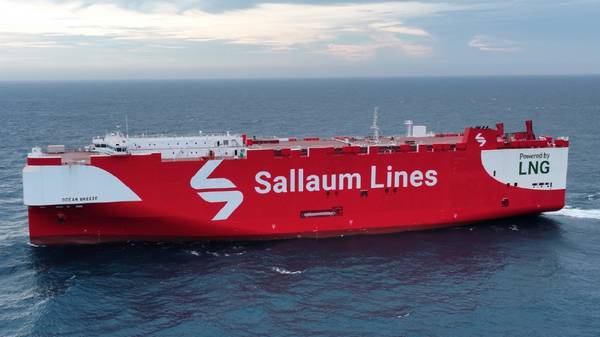
Sallaum Lines orders LNG-fuelled, ammonia-ready PCTCs from Chinese yards
Operator signs shipbuilding agreements for new generation of 8,600-CEU vessels, taking its newbuild investment past $1bn. |
|
|
|
||
|
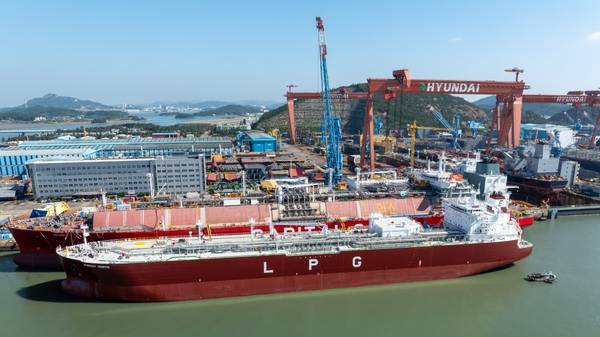
Nakilat takes delivery of dual-fuel carrier in South Korea
Ammonia-ready design positions vessel to play key role in future low-carbon energy supply chains, says Qatari firm. |
|
|
|
||
|
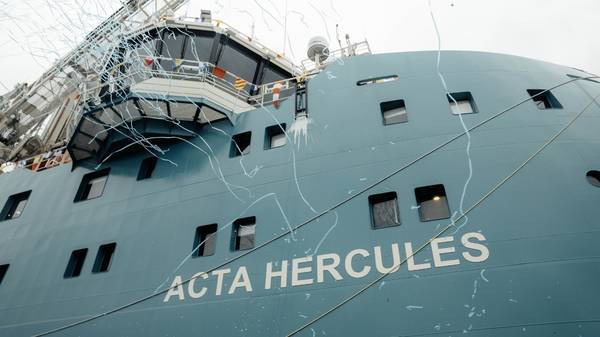
Acta Marine christens methanol dual-fuel vessel Acta Hercules in IJmuiden
Dutch operator marks the christening of its second newbuild CSOV. |
|
|
|
||
|
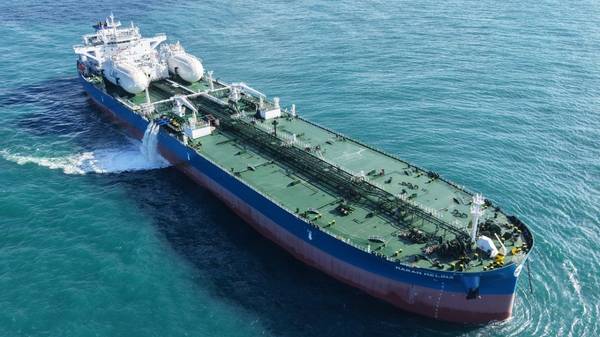
Angelicoussis Group takes delivery of fifth dual-fuel Suezmax tanker
Maran Tankers Management adds the 155,500-DWT Maran Melina to its fleet. |
|
|
|
||
| Höegh Autoliners vessel connects to shore power for the first time in Europe [News & Insights] |
| Maersk completes first US ethanol bunkering of a deep-sea container ship [News & Insights] |
| TFG Marine fits mass flow meter to Jamaica-bound bunker barge [News & Insights] |
| Japan completes world's first ship-to-ship ammonia bunkering to ammonia-fuelled vessel [News & Insights] |
| Japan Engine completes land-based testing of landmark hydrogen-fuelled engine for large vessels [News & Insights] |
