
 |
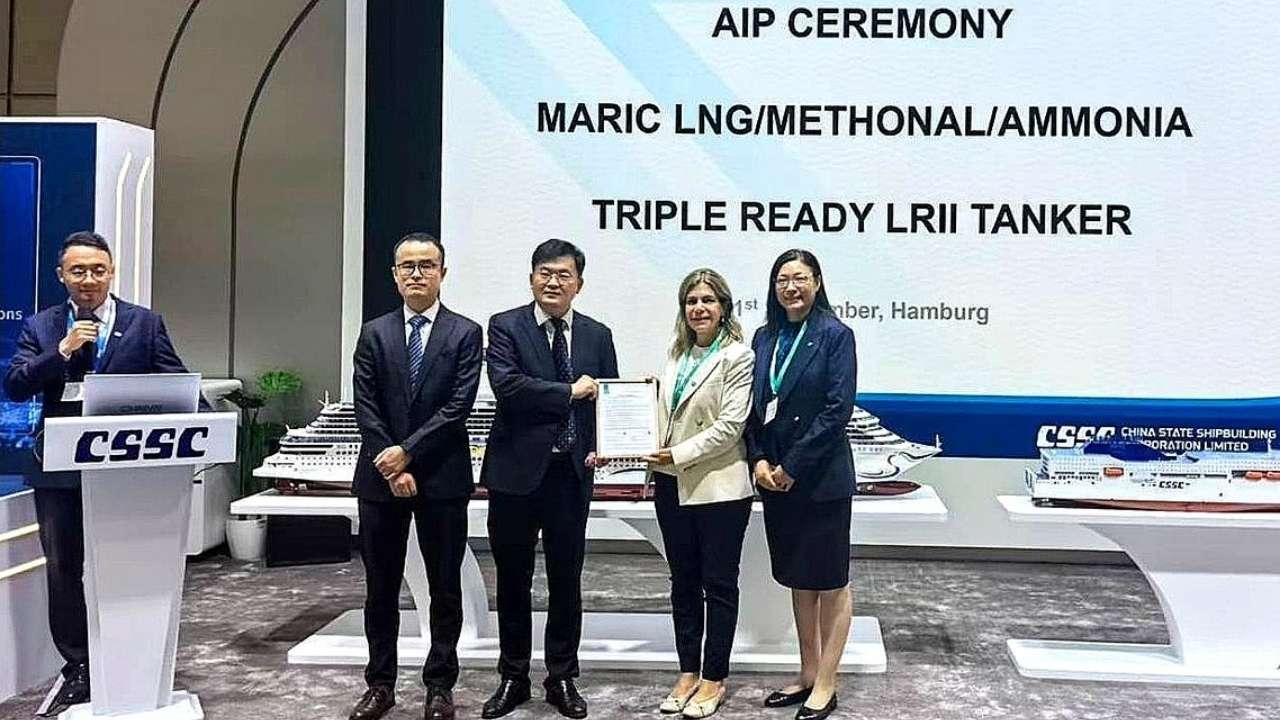
Lloyd’s Register (LR) and the Marine Design and Research Institute of China (MARIC) have received approval in principle (AiP) for a 114,000-DWT product and crude oil tanker concept designed to accommodate future conversion to alternative fuels, the organisations announced at SMM 2026.
The design is intended to allow owners to convert the vessel to run on LNG, methanol or ammonia as fuel technologies, infrastructure and regulations develop over time. According to LR and MARIC, incorporating conversion readiness at the design stage is aimed at reducing future retrofit complexity and giving owners greater confidence when planning long-term fleet investments.
The concept was reviewed against LR’s July 2026 class rules and regulations, including requirements relating to ships using gases and other low-flashpoint fuels, alongside relevant IACS Common Structural Rules for oil tankers. LR notes that final classification and statutory approval remain subject to full compliance with all applicable rules and regulations.
The AiP comes amid broader uncertainty across the shipping industry over which alternative fuels will ultimately achieve widespread adoption. While LNG is regarded as a more mature fuel pathway, methanol and ammonia remain at an earlier stage of development, with questions persisting around global fuel availability, infrastructure, economics and long-term uptake.
Theo Kourmpelis, Global Business Director for Tankers at Lloyd’s Register, said: “Shipowners are being asked to make major investment decisions today despite continued uncertainty around which fuels will dominate in the decades ahead. Alternative fuel solutions each offer potential pathways to compliance, but fuel infrastructure, regulation and economics continue to evolve at different speeds around the world. Designs that preserve flexibility will be critical in helping owners manage risk while preparing for multiple future scenarios.”
Si Nan, Vice Director of the Marine and Offshore Marketing Department at MARIC, commented: “As the industry explores different decarbonisation pathways, shipowners need vessel designs that can adapt alongside technological and regulatory developments. This concept was developed specifically to provide greater fuel flexibility and long-term resilience, allowing owners to respond to changing market requirements without being locked into a single fuel strategy. Receiving approval in principle from Lloyd’s Register is an important milestone that validates the design concept and supports its future development.”
|
Wind-assisted propulsion 'no longer just a concept', ICS panel says
Shipowners weigh wind power as a practical, low-risk route towards decarbonisation targets. |
|
|
|
||
|
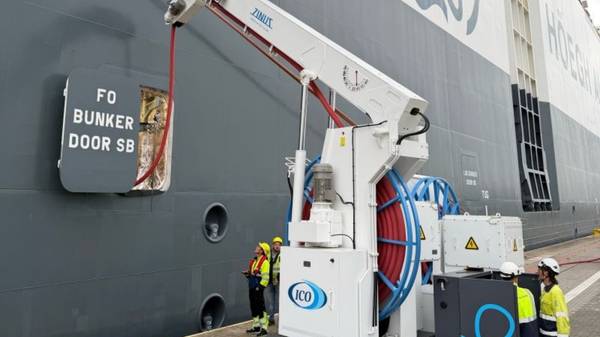
Höegh Autoliners vessel connects to shore power for the first time in Europe
Höegh Starlight used 11 kV shore power in Zeebrugge, allowing it to switch off its auxiliary engines while alongside. |
|
|
|
||
|
Chinese shipbuilder ROC signs deal for up to eight methanol-ready CSOVs
Contract signed with European shipowner for vessels designed for offshore wind farm maintenance work. |
|
|
|
||
|
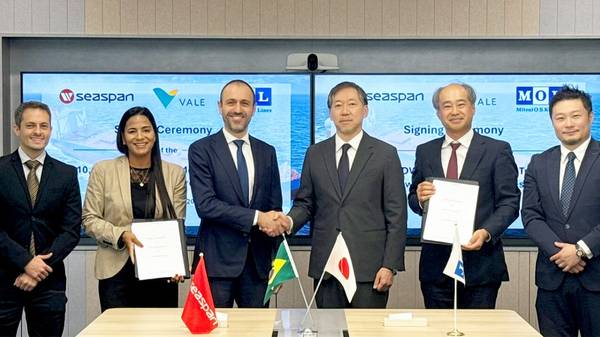
MOL and Vale sign 25-year deal for tri-fuel ore carriers
New vessels will be able to run on ethanol, methanol or heavy fuel oil, offering fuel flexibility. |
|
|
|
||

|
ScanOcean appoints Lars Malmbratt as senior commercial manager
Swedish firm strengthens commercial team with experienced industry executive based in Gothenburg. |
|
|
|
||
|
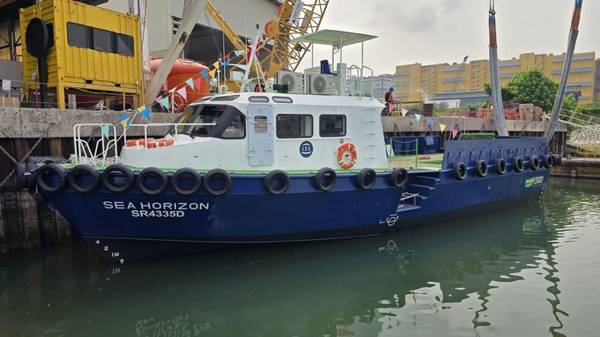
Pinnacle Marine launches second B100-compatible harbour craft for Les Star
Sea Horizon joins Singapore’s harbour craft fleet. |
|
|
|
||
|
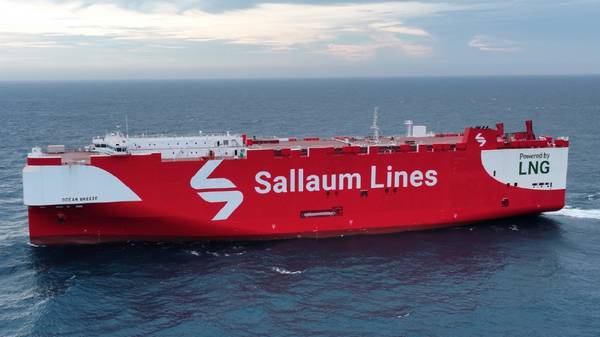
Sallaum Lines orders LNG-fuelled, ammonia-ready PCTCs from Chinese yards
Operator signs shipbuilding agreements for new generation of 8,600-CEU vessels, taking its newbuild investment past $1bn. |
|
|
|
||
|
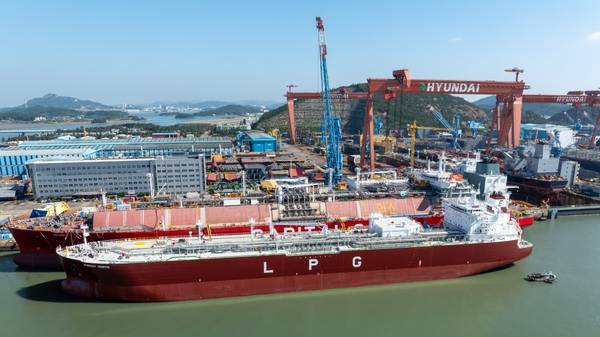
Nakilat takes delivery of dual-fuel carrier in South Korea
Ammonia-ready design positions vessel to play key role in future low-carbon energy supply chains, says Qatari firm. |
|
|
|
||
|
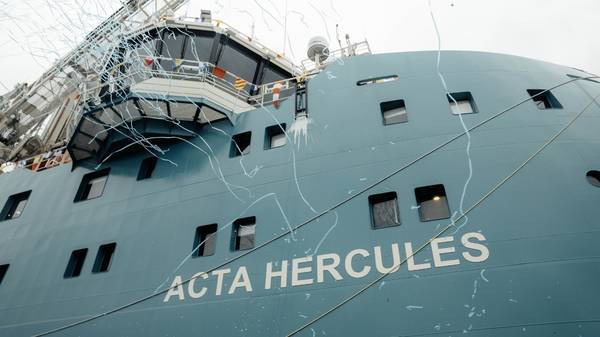
Acta Marine christens methanol dual-fuel vessel Acta Hercules in IJmuiden
Dutch operator marks the christening of its second newbuild CSOV. |
|
|
|
||
|
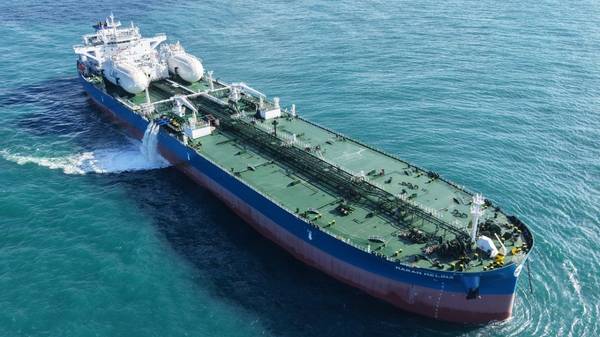
Angelicoussis Group takes delivery of fifth dual-fuel Suezmax tanker
Maran Tankers Management adds the 155,500-DWT Maran Melina to its fleet. |
|
|
|
||
| Wind-assisted propulsion 'no longer just a concept', ICS panel says [News & Insights] |
| Pinnacle Marine launches second B100-compatible harbour craft for Les Star [News & Insights] |
| Petrobras launches HSFO bunker sales in Rio de Janeiro [News & Insights] |
| Changhong International launches eighth LNG dual-fuel container ship for MSC [News & Insights] |
| PaxOcean signs design contract with Ulstein for methanol-ready offshore wind vessel [News & Insights] |
