
|
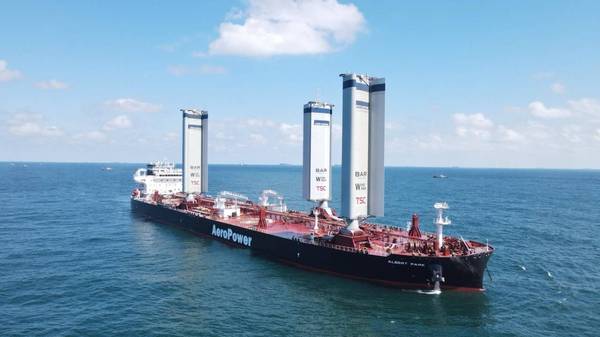
Bureau Veritas marks naming of Union Maritime's wind-assisted Aframax tanker
Albert Park, fitted with three WindWings sails, is Chinese yard's first wind-assisted Aframax product tanker. |
|
|
|
||
|
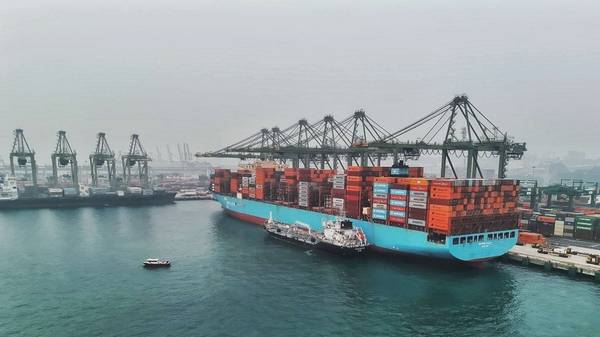
Singapore completes world's largest ethanol bunkering operation
Maersk, Golden Island and PSA perform ethanol bunkering in Singapore, drawing on methanol handling experience and safety protocols. |
|
|
|
||
|
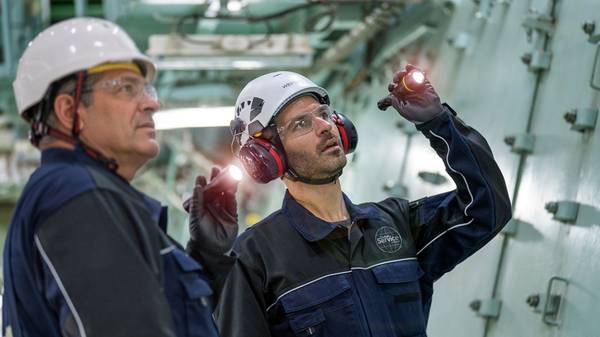
WinGD signs five-year service deal for NYK LNG carrier fleet
Swiss engine designer WinGD will support ten dual-fuel engines across five Japanese-operated LNG carriers. |
|
|
|
||
|
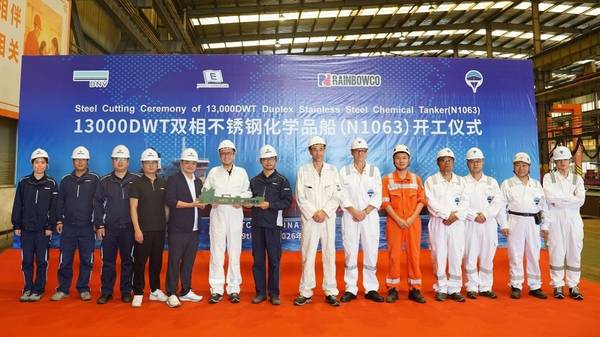
Steel cut for third methanol-ready chemical tanker in ROC-Essberger series
Chemical tanker series is designed with provisions for methanol fuel and wind-assisted propulsion systems. |
|
|
|
||
|
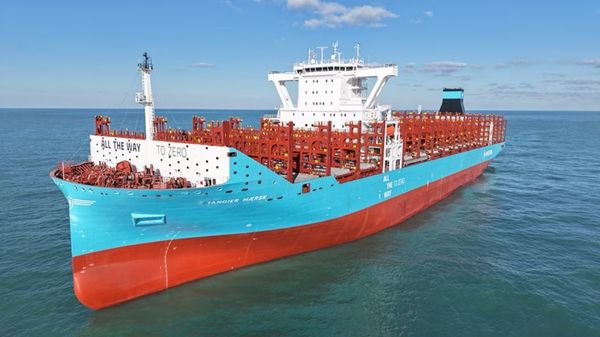
WinGD engine completes first in-service ethanol voyage on Maersk container ship
Tangier Maersk sails from Houston to New York using 100% bioethanol in WinGD's X-DF-M/E engine. |
|
|
|
||
|
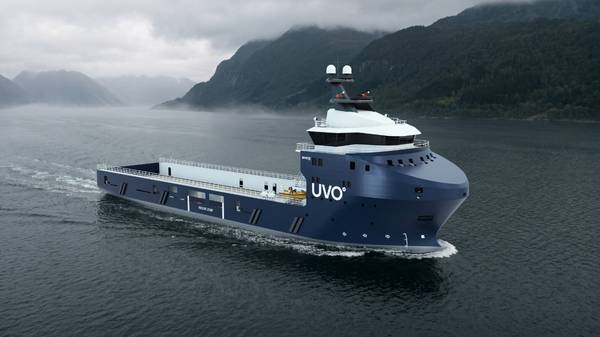
Breeze Ship Design wins contract for Union Vega Offshore's battery-hybrid PSVs
Two battery-hybrid platform supply vessels, with options for four more, will be built in China. |
|
|
|
||
|
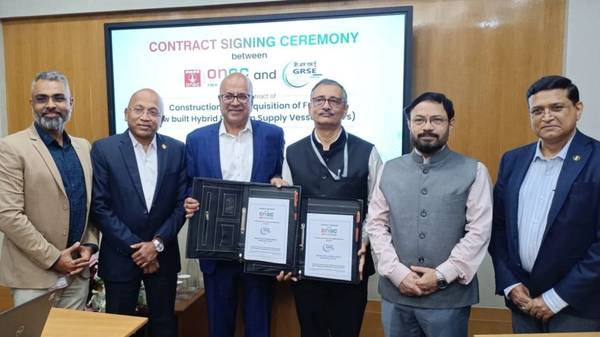
GRSE signs contract with ONGC to build four hybrid platform supply vessels
Indian shipbuilder adds offshore support vessels to its portfolio with hybrid propulsion contract for state oil firm. |
|
|
|
||
|
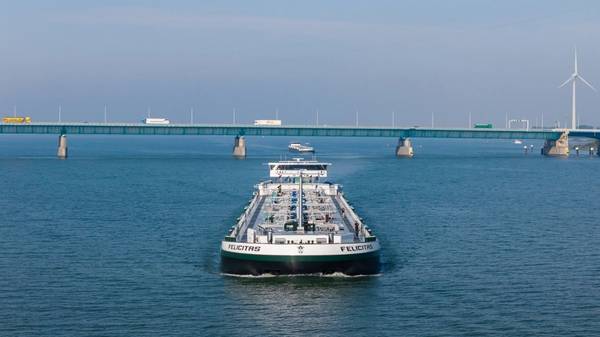
AMS Barging christens methanol-ready tanker as fleet reaches 17 vessels
Dutch inland shipping company adds 9,000-cbm diesel-electric tanker Felicitas, designed for future conversion to methanol bunkering. |
|
|
|
||
|
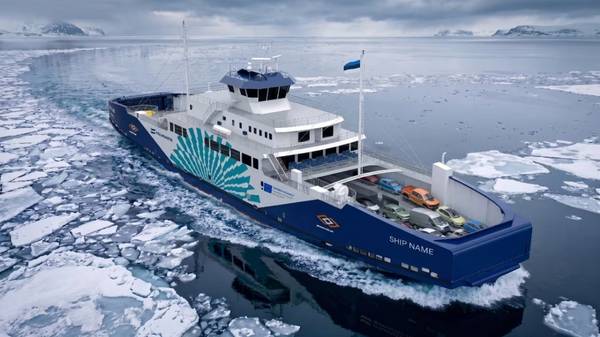
Steerprop to supply next-generation CRP units for Estonia's first electric ferry
Finnish propulsion specialist Steerprop will equip a CRIST-built electric ferry with upgraded contra-rotating propeller technology for the Estonian State Fleet. |
|
|
|
||
|
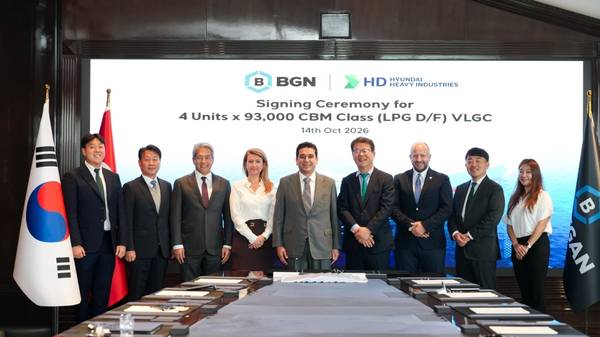
BGN orders four more dual-fuel LPG carriers from HD Hyundai Heavy Industries
New contract brings BGN's 2026 orders with HD HHI to 10 vessels and will increase its owned VLGC fleet to 23 ships. |
|
|
|
||
| Coast Guard investigates fuel spill [News & Insights] |
| Bunker fuel removed as vessel hits bridge [News & Insights] |
| Chemoil gets ready for emissions regulations [News & Insights] |
| LR publishes retrofit guidance covering alternative fuels and energy-saving devices in one framework [News & Insights] |
| Singapore launches series of measures at SIBCON 2026 [News & Insights] |
| Singapore launches ammonia bunkering code and new standards for fuel sampling and polymer testing [News & Insights] |
| IMO sub-committee finalises revised methanol fuel safety guidelines [News & Insights] |
| IMO issues shipboard biofuel blend checklist developed by IBIA [News & Insights] |

