
 |
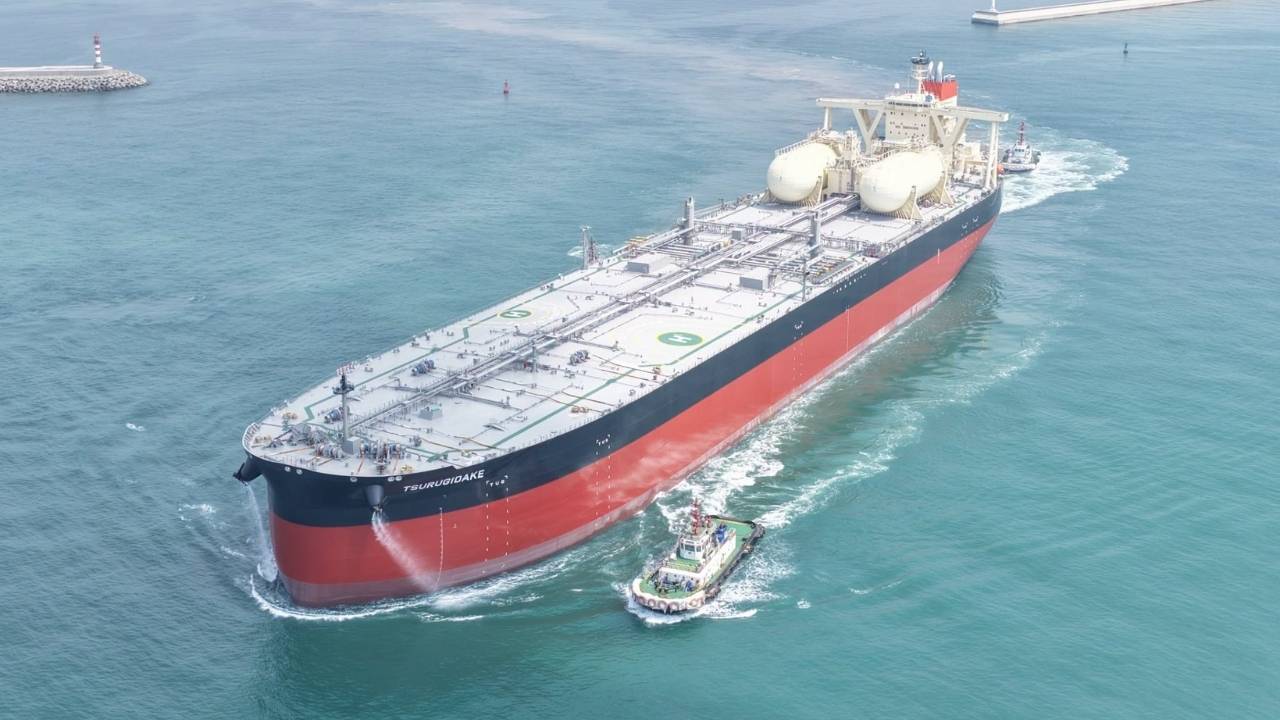
Kawasaki Heavy Industries has delivered the Tsurugidake — a 309,000-tonne very large crude carrier (VLCC) — to Sequoia Navigation Inc., marking the fourth LNG-fuelled VLCC built by the Kawasaki Group.
The vessel, with Kawasaki hull number 8100, was built at the Dalian COSCO KHI Ship Engineering Co., Ltd. (DACKS) shipyard in Dalian, China, a facility operated jointly by Kawasaki and China COSCO Shipping Corporation Limited, with delivery taking place on 14 October.
Tsurugidake is fitted with a dual-fuel main engine — a MAN B&W 7G80ME-C10.5-GI-HPSCR diesel engine — capable of running on either LNG or low-sulphur fuel oil (LSFO). When operating on LNG, the vessel's emissions are expected to fall by approximately 25–30% for carbon dioxide (CO₂), 100% for sulphur oxides (SOx) and approximately 85% for nitrogen oxides (NOx), compared with conventional heavy-oil-fuelled main engines.
Kawasaki said the vessel complies with Phase 3 of the International Maritime Organization's Energy Efficiency Design Index (EEDI), which applies to VLCCs contracted from fiscal year 2025 onwards and requires a 30% reduction in CO₂ emissions compared with the Phase 0 baseline.
The vessel is also fitted with SOx scrubbers at the exhaust gas outlets of the main engine and power-generation system, enabling the ship to meet sulphur emission regulations that came into force in January 2020 while continuing to use conventional fuel oil in a move designed to reduce fuel costs by removing the need to use low-sulphur fuel to meet those regulations.
Kawasaki said the design departs from the conventional bulbous bow, instead using a bow form that extends the vessel's length at the waterline. According to the company, this reduces wave-making resistance from bow waves during navigation, improving propulsive performance. The vessel also combines a low-speed, ultra-long-stroke main engine with a high-efficiency, large-diameter propeller, which Kawasaki said lowers fuel consumption.
The VLCC measures 339.50 metres in length overall, 60.00 metres in breadth and 28.90 metres in depth, with a moulded draught of 21.03 metres. It has a deadweight of 310,020 tonnes, a gross tonnage of 166,708 and a cargo tank capacity of 352,151 cubic metres. It is classed by ClassNK and registered in Panama, with a sea speed of approximately 15.45 knots.
|
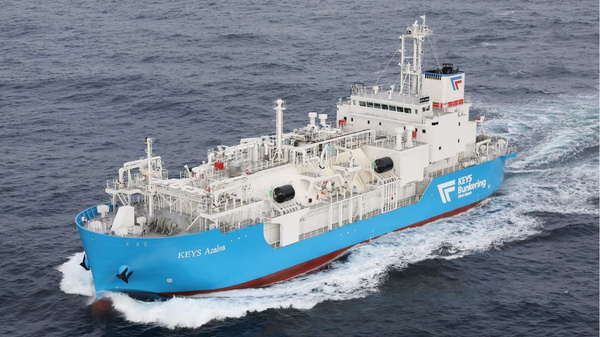
KEYS Azalea completes 100th LNG bunkering operation in western Japan
LNG bunkering vessel reaches landmark delivery in two and a half years. |
|
|
|
||
|
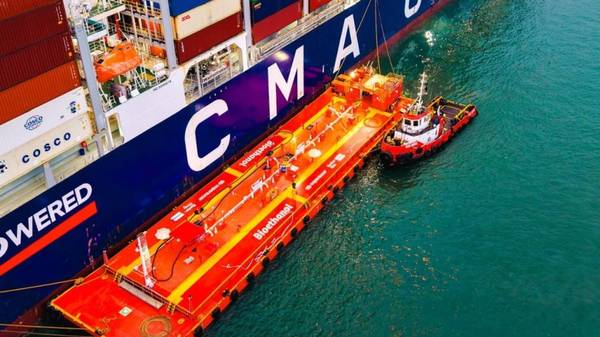
Port of Santos moves to regular ethanol bunkering for ships
CMA CGM, Copersucar and Bunker One expand July pilot into a commercial supply chain for ethanol as a marine fuel in Brazil |
|
|
|
||
|
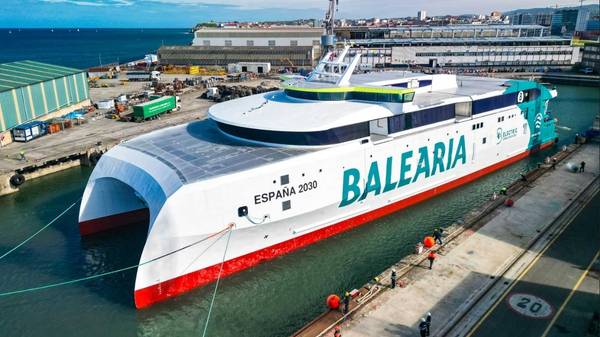
Baleària floats first fully electric fast ferry for Tarifa–Tangier route
Spanish operator's new catamaran, built at Armón's Gijón yard, will enter service in summer 2027. |
|
|
|
||
|
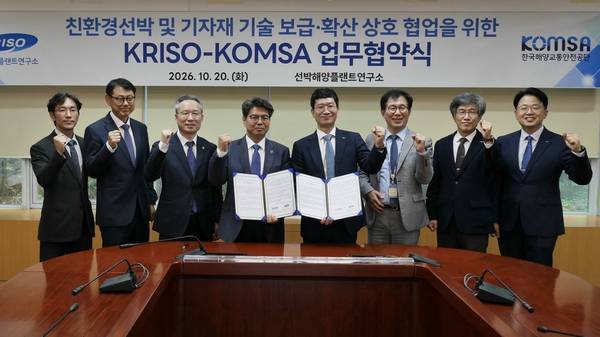
South Korean agencies link up on green shipping data and monitoring tech
KRISO and KOMSA sign an MOU to share demonstration data and remote monitoring capabilities for eco-friendly vessels. |
|
|
|
||
|
Peninsula seeks sales trader for Singapore bunker fuel desk
Role suited to candidates with prior sales or trading experience, ideally within the maritime or energy sector. |
|
|
|
||
|
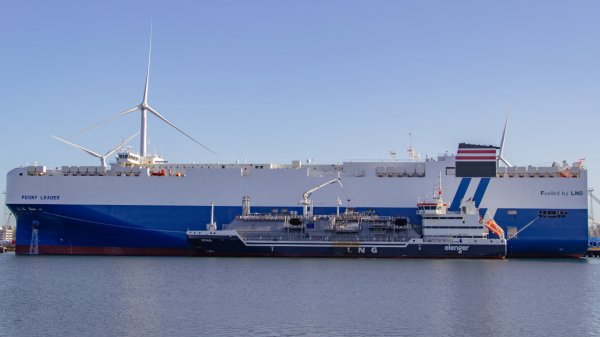
FuelEU pooling drives surge in bio-LNG demand, Titan analysis finds
Clean fuel supplier's modelling shows pooling mechanism turning overcompliance into tradable value for LNG-fuelled ships. |
|
|
|
||
|
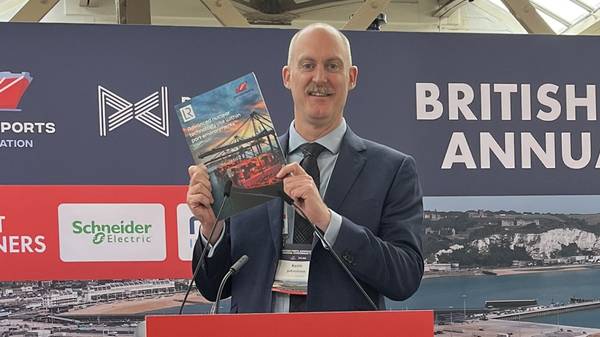
Ports told to prepare now for advanced nuclear power
Joint paper sets out a readiness pathway for ports facing nuclear-powered vessels, floating reactors and small modular units |
|
|
|
||
|
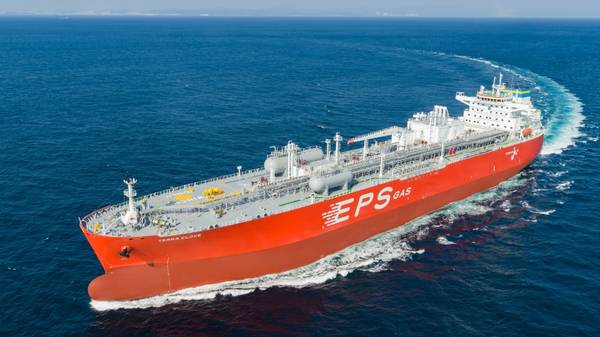
Eastern Pacific Shipping takes delivery of first ammonia dual-fuel VLAC
Terra Clove powered by first Everllence B&W 6G60ME-C10.5-LGIA ammonia dual-fuel two-stroke engine. |
|
|
|
||
|
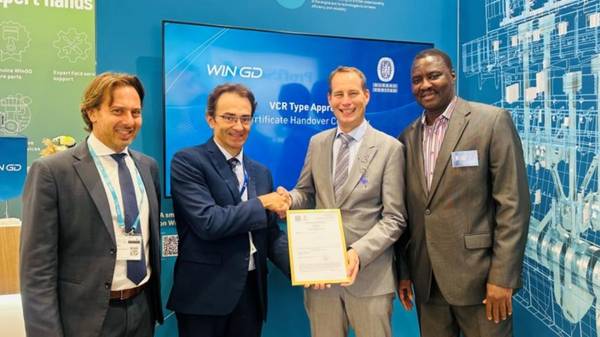
Bureau Veritas approves WinGD's variable compression ratio technology for dual-fuel engines
Classification society grants type approval to engine technology enabling compression ratio adjustment across different marine fuels. |
|
|
|
||
|
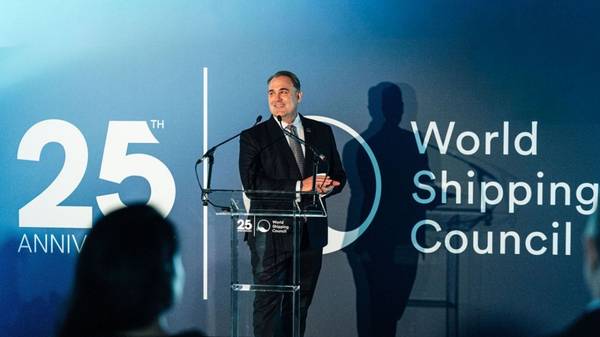
Dual-fuel fleet passes 500 ships as investment tops $200bn
World Shipping Council data shows dual-fuel container ships and vehicle carriers growing fast, with IMO rules uncertain. |
|
|
|
||
| Baleària floats first fully electric fast ferry for Tarifa–Tangier route [News & Insights] |
| Safe Bulkers takes delivery of first dual-fuel methanol Kamsarmax newbuild [News & Insights] |
| Maersk Tankers names second gas carrier in South Korea [News & Insights] |
| HMM orders eight LNG dual-fuel container ships in newbuild push [News & Insights] |
| CIMC SOE advances construction on three LNG bunker vessels [News & Insights] |
