
 |
A study backed by ABS has found that a nuclear-powered LNG carrier would cost around 2.5 times as much to build as a conventional LNG-fuelled vessel, but could substantially reduce fuel costs over the ship's operating life.
The joint study, carried out with Blossom Energy and an unnamed global shipping company, examined a 174,000-cbm LNG carrier fitted with a 20–25 MWe high-temperature gas-cooled reactor (HTGR) that Blossom Energy is developing, comparing vessel arrangement, propulsion systems and operating conditions with those of a conventional LNG-fuelled newbuild.
According to ABS, the economics were assessed across a range of potential regulatory penalty scenarios, reflecting the shifting compliance landscape shipowners face as emissions rules tighten.
Patrick Ryan, ABS senior vice president and chief technology officer, commented: “Nuclear energy has the potential to fundamentally change the economics of commercial shipping, from vessel design to long-term operating costs. ABS is proud to support studies like this one that move the industry beyond theory and toward a clearer picture of what nuclear propulsion could mean in practice.”
Shimpei Hamamoto, CEO of Blossom Energy, remarked: “This study provides a quantitative basis for discussing nuclear propulsion in commercial shipping. Blossom Energy contributed its HTGR reference design to the study, and we will continue to work with ABS and industry partners to build the technical and regulatory foundation needed for practical application.”
The study team also looked at a business model in which the reactor is treated as a long-term energy asset that could be removed and reinstalled on a second vessel once the first ship reaches the end of its service life. This possibility was factored into calculations of the vessel’s residual value, according to ABS.
Blossom Energy, founded in Tokyo in 2022, was set up by researchers with experience at the Japan Atomic Energy Agency working on HTGR technology. The company is developing HTGR systems for power generation and industrial heat applications, as well as a graphite thermal energy storage system aimed at decarbonising industrial heat.
ABS said it continues to expand its work supporting the development of nuclear technologies for marine and offshore applications, as the classification society and its partners look to build a technical and regulatory basis for nuclear propulsion’s potential use in commercial shipping.
|
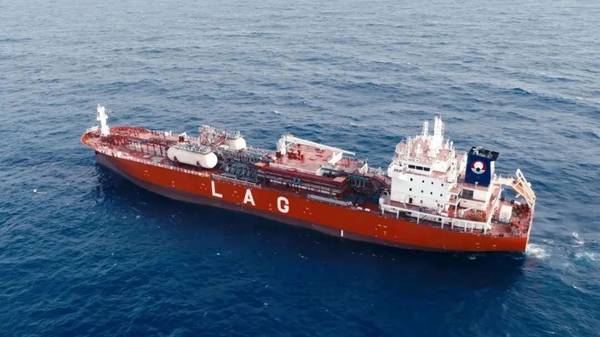
China delivers first domestically built ammonia-fuelled gas carrier
CCS-classed vessel becomes the world's second ammonia-fuelled gas carrier, testing rules for the IMO's zero-carbon shipping transition. |
|
|
|
||
|
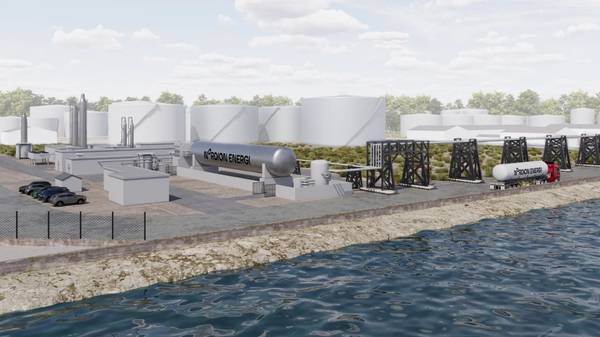
Storage tank installed as Gothenburg's LBG bunkering plant advances towards 2027 completion
Nordion Energi's liquefied biogas facility at the Port of Gothenburg takes a step forward with tank installation. |
|
|
|
||
|
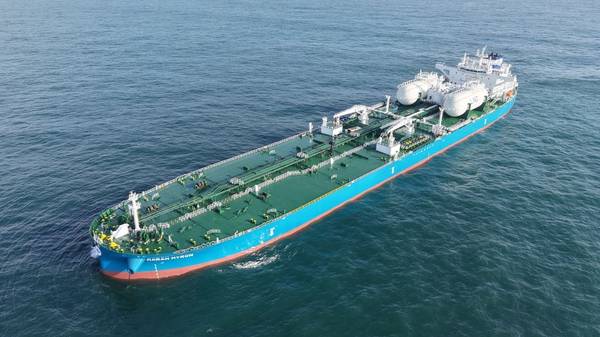
Maran Tankers takes delivery of dual-fuel Suezmax Maran Myron
Vessel is sixth dual-fuel tanker in eight-vessel series built by New Times Shipbuilding. |
|
|
|
||
|
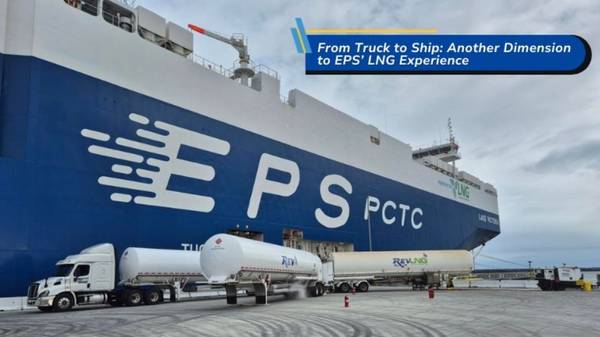
EPS completes first truck-to-ship LNG bunkering operation in Davisville
Fuel delivered to the pure car and truck carrier Lake Victoria whilst at berth. |
|
|
|
||

|
MPA opens applications for LNG floating storage unit licences
Singapore invites applications for up to two LNG floating storage unit licences to bolster bunkering supply resilience. |
|
|
|
||
|
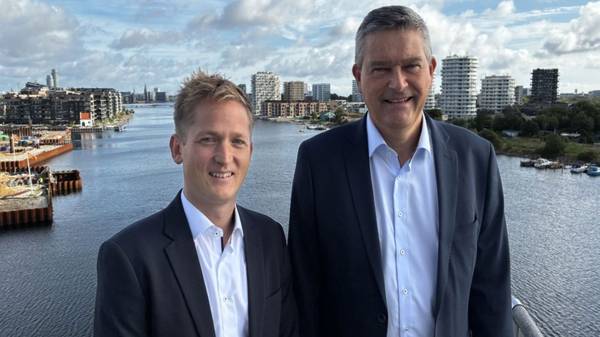
Everllence's small-bore GenSet orders surpass 2,000 in 2026
Engine maker reports strong order intake across its small-bore portfolio, citing demand for reliable, fuel-flexible auxiliary power. |
|
|
|
||
|
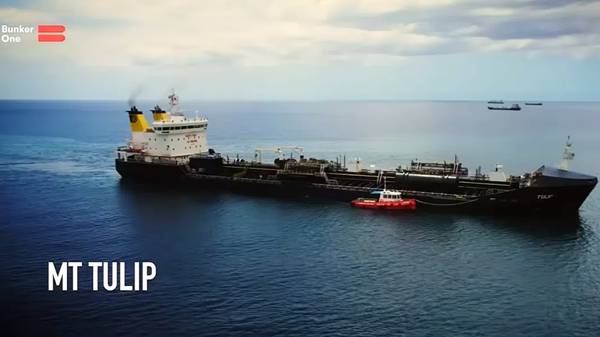
Bunker One renews MT Tulip charter, plans mass flow meter upgrade in Mauritius
Bunker One is keeping its bunker tanker in Mauritius while adding flow metering technology to improve delivery transparency. |
|
|
|
||

|
Fund for Energy Efficiency Technologies becomes first to adopt revised Singapore-Asia Taxonomy
FEET's adoption coincides with Lloyd's Register's independent review of GCMD's methodology for quantifying fuel savings from wind-assisted propulsion systems. |
|
|
|
||
|
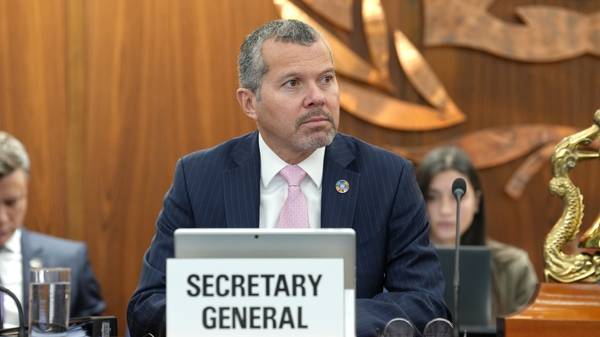
IMO chief urges states to enforce safety rules in Strait of Hormuz amid rising attacks
Arsenio Dominguez says more than 130 attacks on commercial vessels have been verified since February, with at least 25 seafarers killed. |
|
|
|
||
|
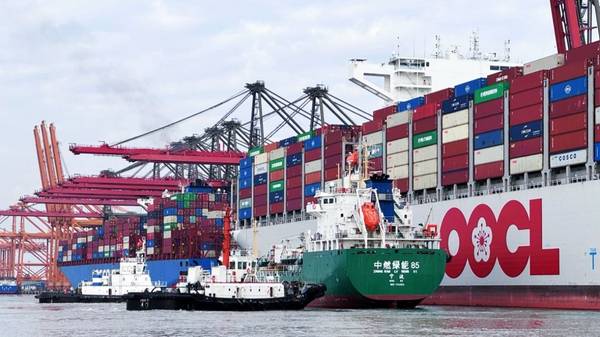
Xiamen Port launches 'green methanol bunkering' with OOCL Wisdom
Boxship received 1,005 tonnes of methanol, corresponding to a reduction of more than 1,600 tonnes in carbon emissions, says COSCO Shipping. |
|
|
|
||
| Study maps route for Jamaica to become regional hub for alternative marine fuels [News & Insights] |
| Singapore and Qingdao sign work plan to advance green and digital shipping corridors [News & Insights] |
| Wärtsilä converts LNG carrier engines to cut methane slip for Chevron [News & Insights] |
| HD Hyundai gains type approval for low-pressure ammonia dual-fuel engine [News & Insights] |
| Alternative-fuel ship orders outpace port infrastructure, LR report finds [News & Insights] |
