
 |
European Shipowners — the European Community Shipowners' Associations (ECSA) — has called on EU policymakers to introduce supply-side obligations on fuel suppliers and redirect emissions trading revenues into clean fuel production, as the bloc prepares to revise its emissions trading system (ETS).
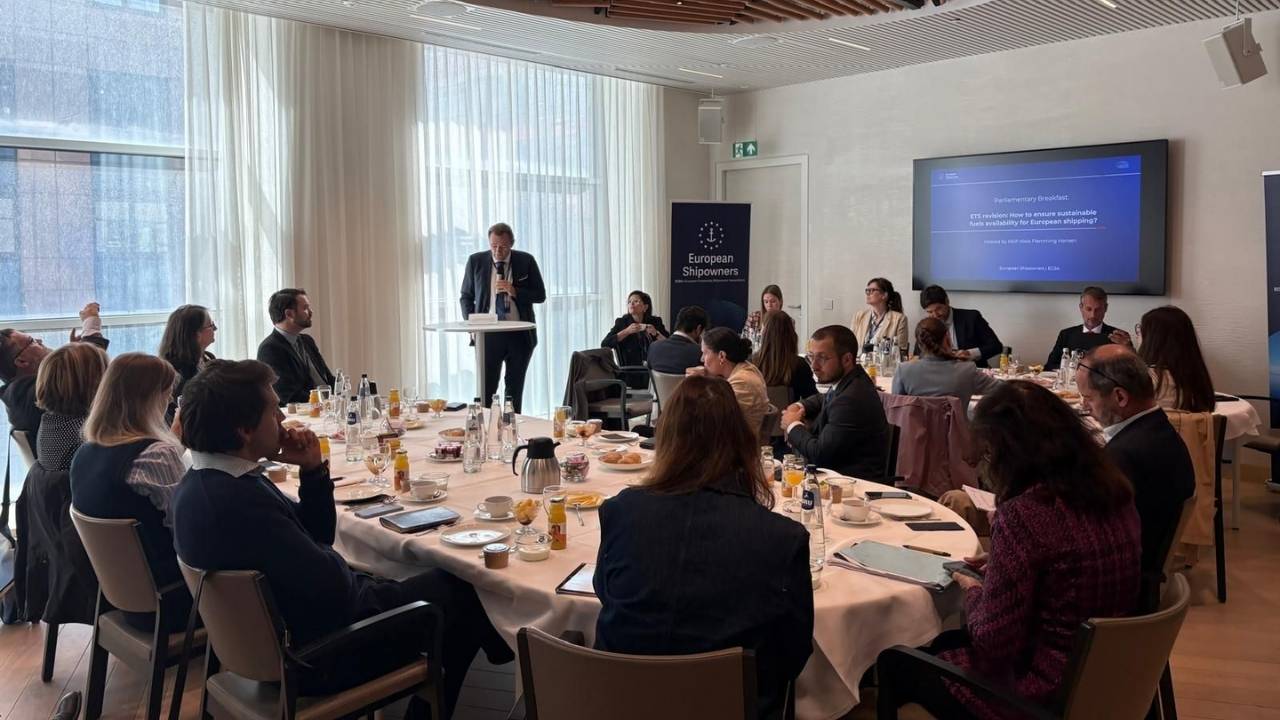
The industry body organised a Parliamentary Breakfast on 10 June, hosted by MEP Niels Flemming Hansen, bringing together policymakers, industry representatives and fuel suppliers to discuss the upcoming ETS revision and the energy transition of shipping.
ECSA outlined three key asks ahead of the revision. First, the association called for a global level playing field, arguing that European shipping operates internationally and requires international regulatory alignment. While welcoming the European Commission's commitment to avoid double payment for the maritime sector when global measures are adopted at the International Maritime Organization (IMO), ECSA said the EU should go further and commit to withdrawing EU legislation once a global agreement is reached — a step it claims would support the international negotiation process.
Second, ECSA pointed to the scale of shipping's contribution to the EU ETS, which it says amounts to €9bn per year, and called on member states to direct national ETS revenues towards making clean fuels available in the market. According to ECSA, clean fuels are currently around four times more expensive than conventional fuels, and closing this price gap is, in the organisation's view, also a matter of energy security for Europe.
Third, the association called for a fuel supplier mandate, noting that shipping is the only transport sector without supply-side obligations requiring fuel suppliers to make clean fuels available.
Speakers at the event included Polona Gregorin, Head of Unit at DG CLIMA within the European Commission; Fanny Devaux, Director of Shipping at Transport & Environment (T&E); Sanne Frías Henriksen, Head of IMO and EU at A.P. Moller — Maersk; Sebastian Hirsz, Fuels Executive at FuelsEurope; and Lorenzo Matacena, CEO of Caronte & Tourist S.p.A. and Vice President of Confitarma — Confederazione Italiana Armatori.
The event took place against the backdrop of ongoing EU and IMO discussions on decarbonising the shipping sector, with the ETS revision presenting what ECSA sees as an opportunity to align regulatory frameworks and accelerate investment in alternative marine fuels.
|
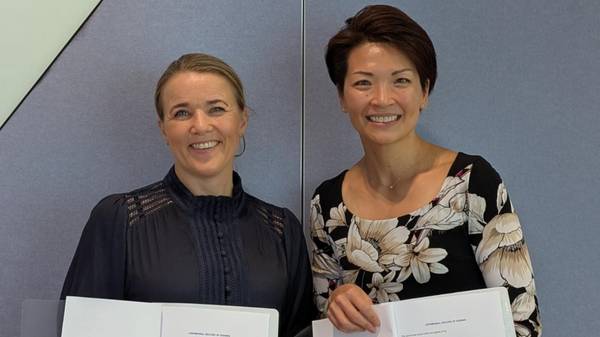
GCMD and Equinor sign five-year partnership on alternative fuels and carbon storage
Singapore-based centre and Norwegian energy company to combine expertise in maritime pilots and low-carbon fuel supply. |
|
|
|
||
|
Petrobras suspends bunker deliveries at Rio Grande after tropical storm
Storm damage and power outage leave resumption timeline unclear. |
|
|
|
||
|
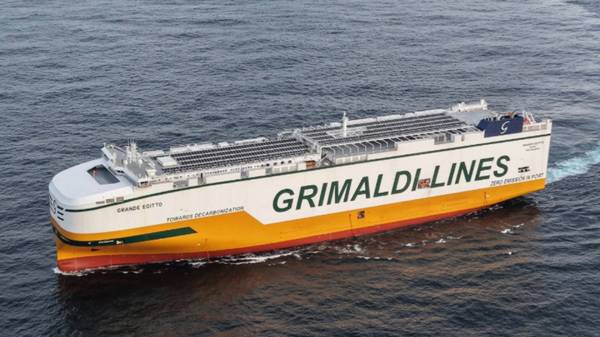
Grimaldi adds fourteenth ammonia-ready car carrier to fleet
Grande Egitto, built by China Merchants Heavy Industries Jiangsu, will operate on the Asia–East Africa trade route. |
|
|
|
||
|
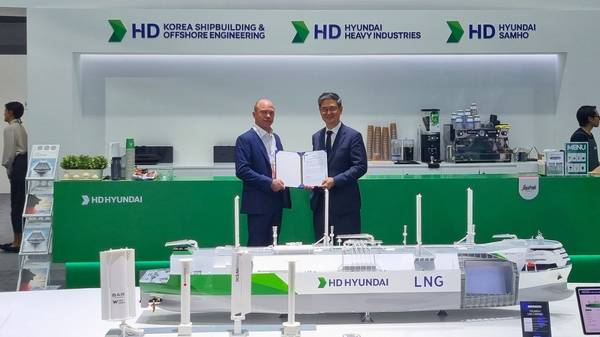
ABS grants design approval for ammonia bunkering vessel from HD HHI and HD KSOE
Approval in principle covers a 22,000-cbm multi-purpose vessel intended to supply ammonia as marine fuel. |
|
|
|
||
|
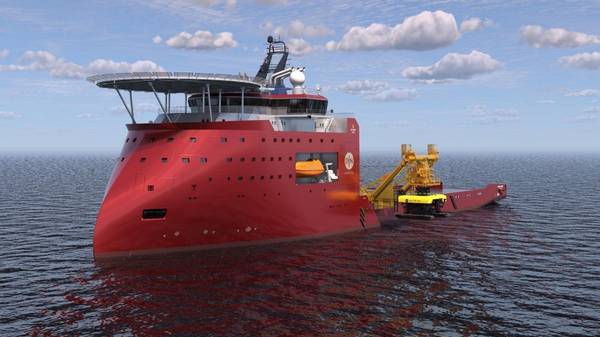
Jan De Nul exercises option for alternative-fuel-capable trenching vessel
Belgian marine contractor confirms option for a second subsea trenching vessel built on Ulstein's customised design platform. |
|
|
|
||
|
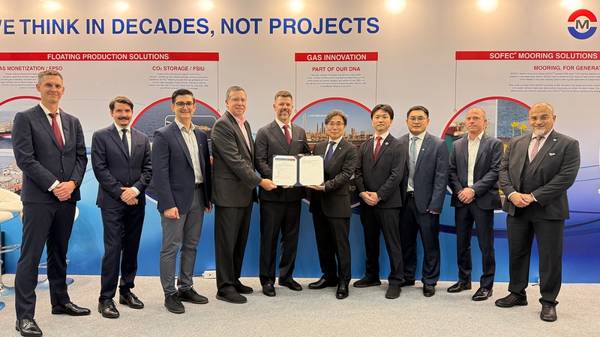
ABS grants technology qualification approval for FPSO fuel cell system
MODEC and Eld Energy’s solid oxide fuel cell system moves towards offshore trials after clearing initial ABS review stages. |
|
|
|
||
|
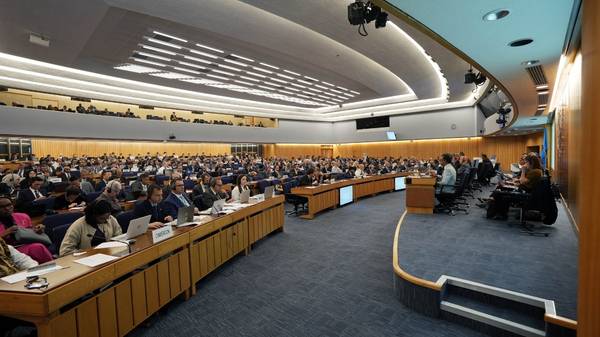
IMO sub-committee finalises revised methanol fuel safety guidelines
CCC 12 completes revision of interim methanol fuel guidelines while advancing work on carbon capture and low-flashpoint fuel rules. |
|
|
|
||
|
Trafigura spins off VLCC fleet into new listed shipping company
Volare Shipping established, with eight ammonia-ready vessels on order. |
|
|
|
||
|
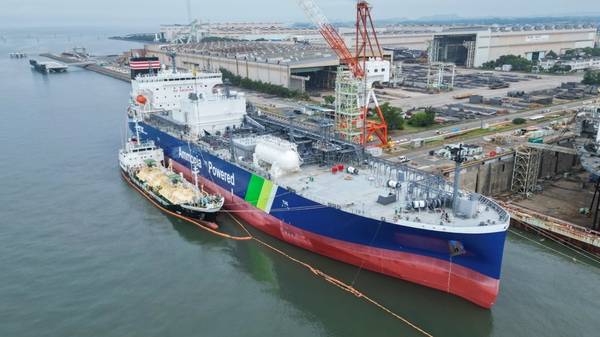
Japan completes world's first ship-to-ship ammonia bunkering to ammonia-fuelled vessel
Ammonia fuel transferred between ships at Ariake Shipyard ahead of gas carrier’s sea trials. |
|
|
|
||
|
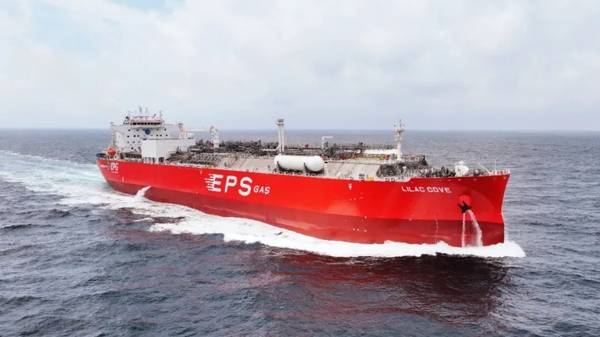
Jiangnan delivers second LPG dual-fuel VLAC in series to Singapore’s EPS
Lilac Cove, the world’s largest liquid ammonia carrier, joins Ivy Cove as Jiangnan advances its six-ship VLAC programme. |
|
|
|
||
| ABS grants design approval for ammonia bunkering vessel from HD HHI and HD KSOE [News & Insights] |
| KR and Hanwha Ocean agree to develop 18,000-cbm LNG bunkering vessel designs [News & Insights] |
| ABS grants Hanwha Ocean approval for dual-fuel tank enabling LNG-to-ammonia switch [News & Insights] |
| Lloyd's Register confirms suitability of Daphne Technology's emissions monitoring system [News & Insights] |
| Lloyd's Register confirms suitability of Daphne Technology's emissions monitoring system [News & Insights] |
