
 |
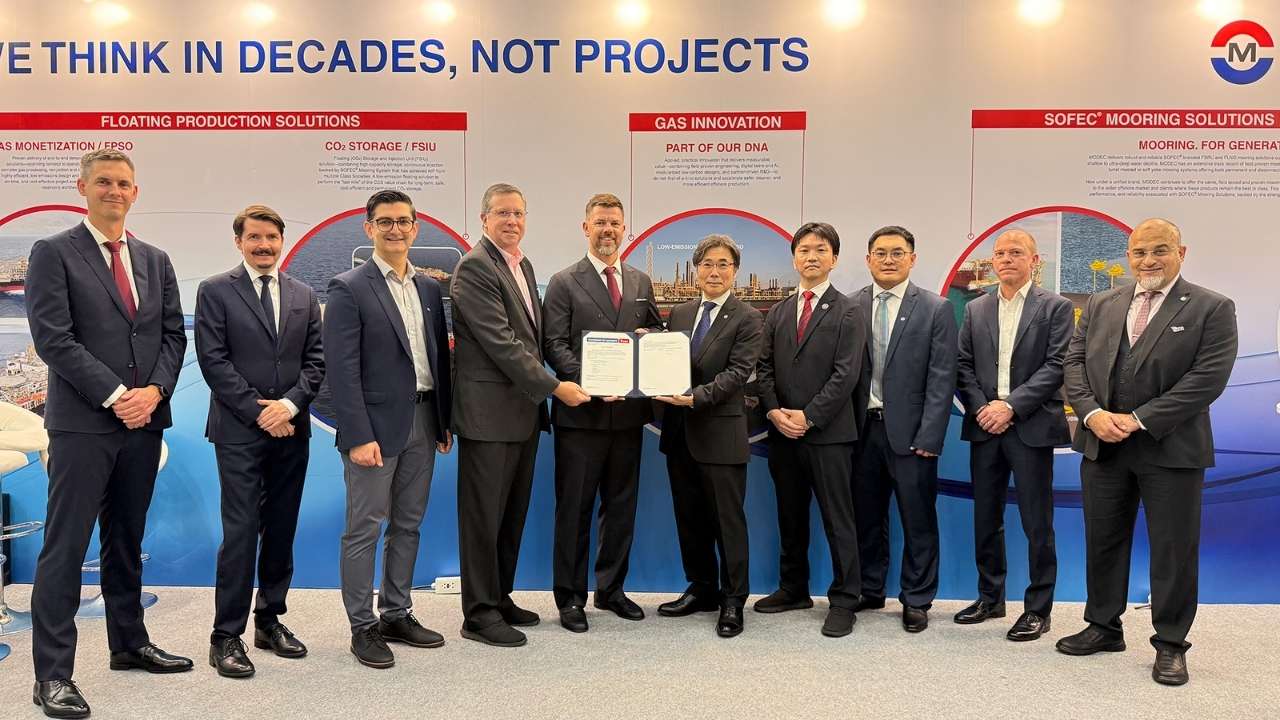
ABS has issued New Technology Qualification (NTQ) approval to MODEC and Eld Energy for a solid oxide fuel cell (SOFC) power system intended for use on floating production, storage and offloading (FPSO) units.
The Eld Power Module has completed the Technology Feasibility and Concept Verification stages of the NTQ process. The system is a high-efficiency SOFC developed to run on FPSO-produced associated gas and alternative fuels. MODEC and Eld Energy aim to achieve electrical efficiency of up to 70% through fuel recovery and carbon management integration, with the system designed to connect with carbon capture equipment as that technology develops.
Matthew Tremblay, ABS Senior Vice President, Global Offshore Markets, commented: “Fuel cell technology has real potential to change the emissions profile of FPSO power generation. The ABS NTQ process gives MODEC and Eld Energy a structured way to demonstrate that the technology performs as claimed and that the risks are understood and managed. These steps are key to moving new technologies closer to routine offshore use.”
MODEC is planning to pilot a 40 kW installation for an offshore trial on an FPSO, where the system will be tested under marine and production conditions. If the trial meets its objectives, the programme would advance to ABS Prototype Validation. Results from the 40 kW campaign are expected to feed into subsequent phases, including a 120 kW module and, at a later stage, a full-scale, multi-megawatt SOFC system.
Koichi Matsumiya, Chief Technical and Technology Officer of MODEC, stated: “MODEC aims to balance the seemingly conflicting challenges of protecting the global environment and ensuring a stable energy supply through innovative ideas using offshore floating facilities. We, together with Eld, are advancing the development of an innovative, compact, low-carbon power system by leveraging the high fuel efficiency of SOFCs and their strong compatibility with carbon capture, aiming to expand power supply solutions for offshore production facilities.”
Hans Fredrik Lindøen-Kjellnes, CEO of Eld Energy, said: “This milestone shows that our novel offshore power generation concept can meet the demanding safety standards of the industry. Early engagement with class has been very helpful in bringing the product forward. This marks a significant step towards decarbonisation of offshore operations.”
The NTQ process progresses through defined stages, from initial feasibility through prototype validation and system integration, with each stage producing a Statement of Maturity for project stakeholders, clients and the supply chain.
|
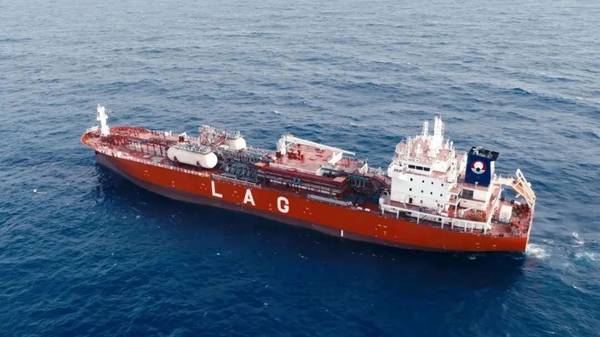
China delivers first domestically built ammonia-fuelled gas carrier
CCS-classed vessel becomes the world's second ammonia-fuelled gas carrier, testing rules for the IMO's zero-carbon shipping transition. |
|
|
|
||
|
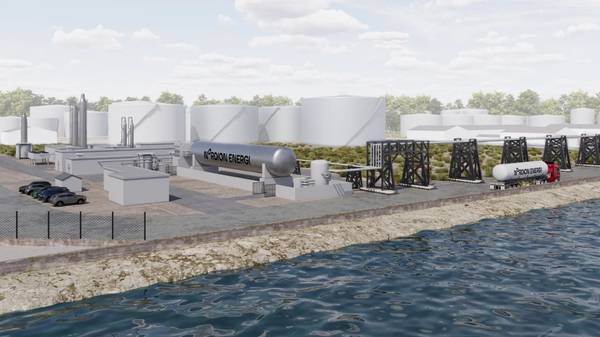
Storage tank installed as Gothenburg's LBG bunkering plant advances towards 2027 completion
Nordion Energi's liquefied biogas facility at the Port of Gothenburg takes a step forward with tank installation. |
|
|
|
||
|
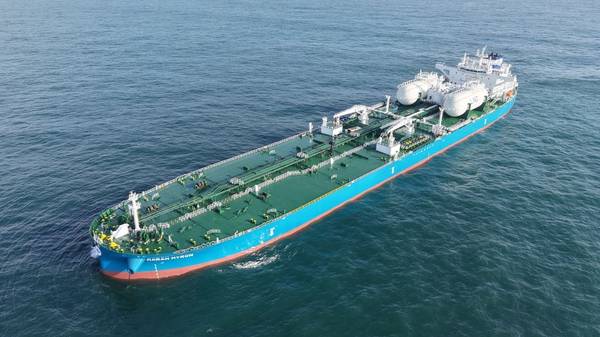
Maran Tankers takes delivery of dual-fuel Suezmax Maran Myron
Vessel is sixth dual-fuel tanker in eight-vessel series built by New Times Shipbuilding. |
|
|
|
||
|
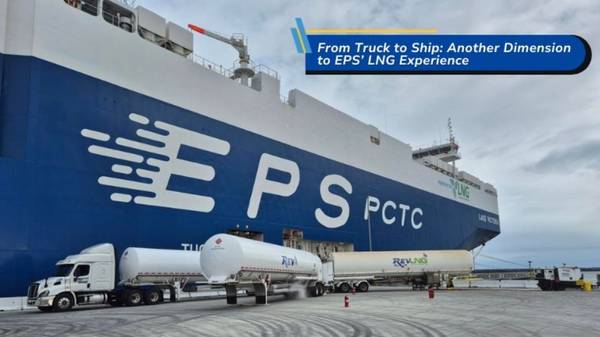
EPS completes first truck-to-ship LNG bunkering operation in Davisville
Fuel delivered to the pure car and truck carrier Lake Victoria whilst at berth. |
|
|
|
||
|
MPA opens applications for LNG floating storage unit licences
Singapore invites applications for up to two LNG floating storage unit licences to bolster bunkering supply resilience. |
|
|
|
||
|
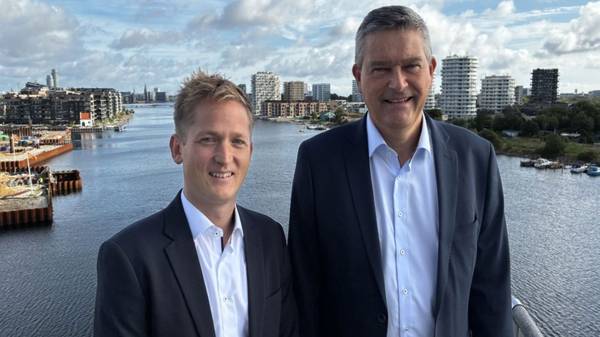
Everllence's small-bore GenSet orders surpass 2,000 in 2026
Engine maker reports strong order intake across its small-bore portfolio, citing demand for reliable, fuel-flexible auxiliary power. |
|
|
|
||
|
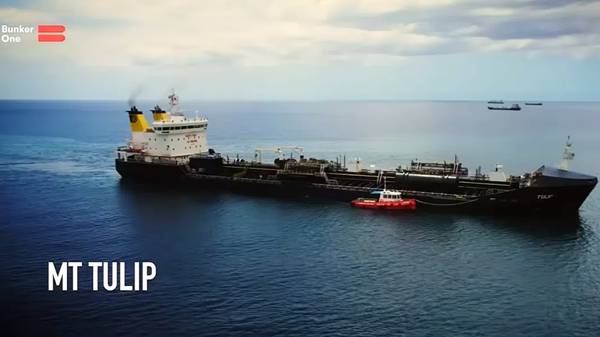
Bunker One renews MT Tulip charter, plans mass flow meter upgrade in Mauritius
Bunker One is keeping its bunker tanker in Mauritius while adding flow metering technology to improve delivery transparency. |
|
|
|
||
|
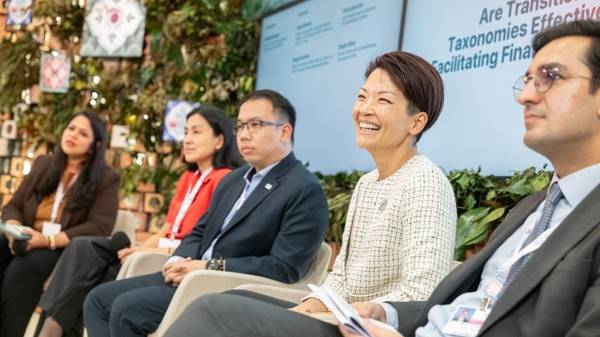
Fund for Energy Efficiency Technologies becomes first to adopt revised Singapore-Asia Taxonomy
FEET's adoption coincides with Lloyd's Register's independent review of GCMD's methodology for quantifying fuel savings from wind-assisted propulsion systems. |
|
|
|
||
|
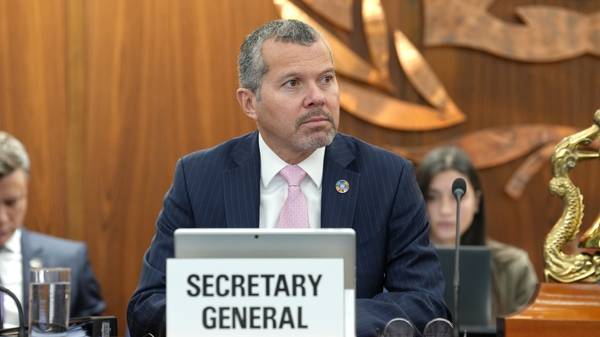
IMO chief urges states to enforce safety rules in Strait of Hormuz amid rising attacks
Arsenio Dominguez says more than 130 attacks on commercial vessels have been verified since February, with at least 25 seafarers killed. |
|
|
|
||
|
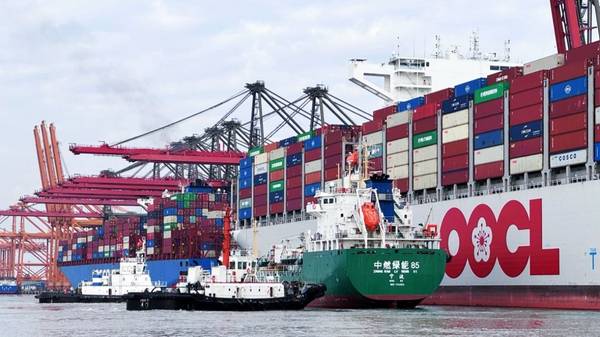
Xiamen Port launches 'green methanol bunkering' with OOCL Wisdom
Boxship received 1,005 tonnes of methanol, corresponding to a reduction of more than 1,600 tonnes in carbon emissions, says COSCO Shipping. |
|
|
|
||
| HD Hyundai gains type approval for low-pressure ammonia dual-fuel engine [News & Insights] |
| Estonian State Fleet's shore-charged electric ferry completes model testing in Germany [News & Insights] |
| EmissionLink urges EU to channel ETS revenues into shipping carbon capture trials [News & Insights] |
| LD Armateurs' Spirit of Toulouse fitted with six Norsepower rotor sails [News & Insights] |
| MPA, CMA CGM and SLNG sign MoU to explore liquefied biomethane as a marine fuel in Singapore [News & Insights] |
