
 |
Mitsui O.S.K. Lines (MOL) presented its biomethane strategy at the Renewable Gas Markets Asia 2026 conference, setting out the Japanese shipping company's approach to utilising biomethane — particularly bio-LNG — as part of its decarbonisation pathway.
Koki Harada, Deputy Manager of the Fuel Transition Strategy and Business Team within MOL's Marine Fuel GX Division, delivered the presentation and participated in a panel discussion titled 'The Future of Renewable Gas Demand'.
According to MOL, biomethane represents one of the commercially available fuel solutions for the maritime sector today, forming part of the company's broader alternative fuels portfolio as it works towards net-zero emissions.
In its presentation, MOL stressed the need to scale biomethane adoption beyond Europe, pointing to the requirement for globally harmonised regulations and expanded certification frameworks. The company also outlined its efforts to secure supply, including expanding its fleet of LNG dual-fuel vessels and exploring upstream project development opportunities globally to support long-term demand.
MOL also joined a panel discussion alongside representatives from the chemical industry, where participants exchanged views on biomethane from different sectoral perspectives. While approaches and priorities were said to differ across industries, the discussion identified areas of alignment and shared challenges.
A key takeaway from the panel for MOL was that stronger cross-sector collaboration would be required to accelerate biomethane adoption and scale up supply.
|
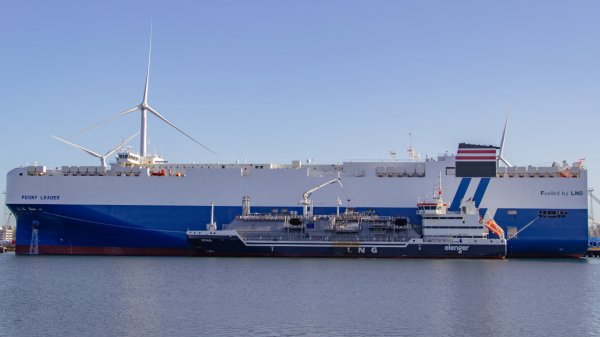
FuelEU pooling drives surge in bio-LNG demand, Titan analysis finds
Clean fuel supplier's modelling shows pooling mechanism turning overcompliance into tradable value for LNG-fuelled ships. |
|
|
|
||
|
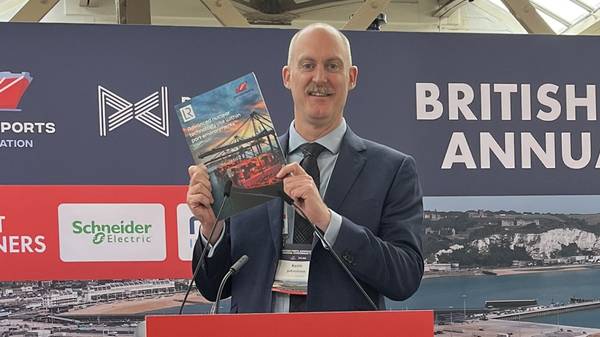
Ports told to prepare now for advanced nuclear power
Joint paper sets out a readiness pathway for ports facing nuclear-powered vessels, floating reactors and small modular units |
|
|
|
||
|
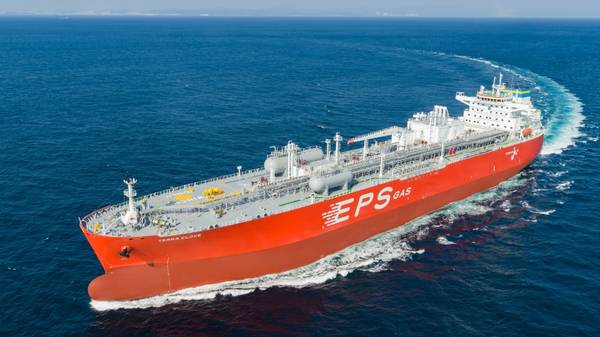
Eastern Pacific Shipping takes delivery of first ammonia dual-fuel VLAC
Terra Clove powered by first Everllence B&W 6G60ME-C10.5-LGIA ammonia dual-fuel two-stroke engine. |
|
|
|
||
|
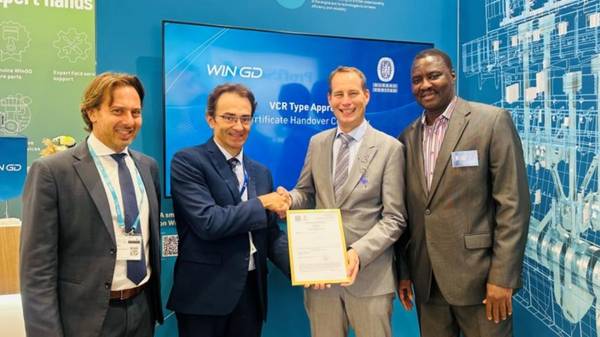
Bureau Veritas approves WinGD's variable compression ratio technology for dual-fuel engines
Classification society grants type approval to engine technology enabling compression ratio adjustment across different marine fuels. |
|
|
|
||
|
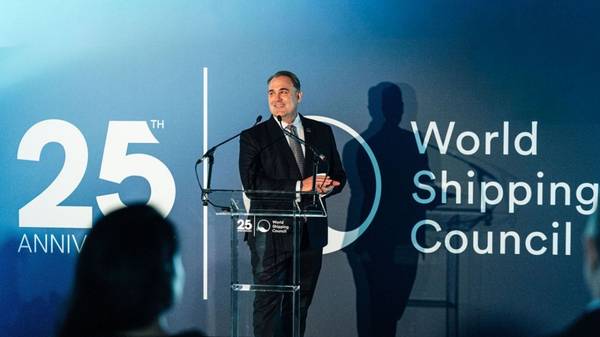
Dual-fuel fleet passes 500 ships as investment tops $200bn
World Shipping Council data shows dual-fuel container ships and vehicle carriers growing fast, with IMO rules uncertain. |
|
|
|
||

|
VPS to host Athens seminar on fuel efficiency and carbon reduction
VPS's final European round table of 2026 will cover marine fuels, lubricants and decarbonisation in Athens. |
|
|
|
||
|
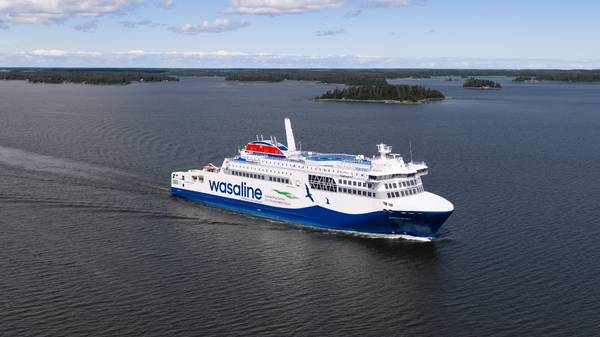
Wasaline secures locally produced biogas supply from St1 Biokraft for Vaasa–Umeå ferry
Agreement will supply 42 GWh of liquefied biogas annually, with deliveries due to start in January 2028. |
|
|
|
||
|
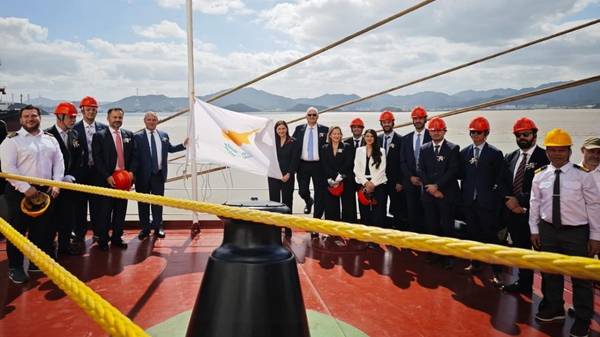
Safe Bulkers takes delivery of first dual-fuel methanol Kamsarmax newbuild
Kypros Island becomes the first dual-fuel bulker to enter the Cyprus Registry. |
|
|
|
||

|
PetroChina seeks LNG bunker trader to expand Asian marine fuel business
Role requires five to ten years of commercial experience in LNG, bunker trading, marine fuels, commodities, or energy trading. |
|
|
|
||
|
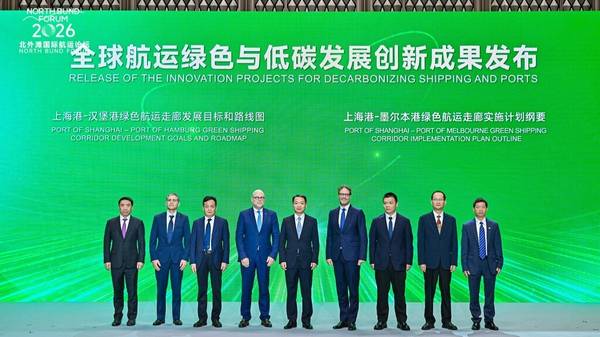
Shanghai and Melbourne ports move green shipping corridor into delivery phase
Ports launch implementation plan targeting green methanol, biofuels and shore power by 2035. |
|
|
|
||
| VPS to host Athens seminar on fuel efficiency and carbon reduction [News & Insights] |
| Singapore and China Classification Society deepen maritime ties with renewed decarbonisation pact [News & Insights] |
| VPS outlines marine fuel standards and quality data at SIBCON 2026 [News & Insights] |
| Singapore launches ammonia bunkering code and new standards for fuel sampling and polymer testing [News & Insights] |
| India and EU sign letter of intent for green shipping corridor coalition [News & Insights] |
