
 |
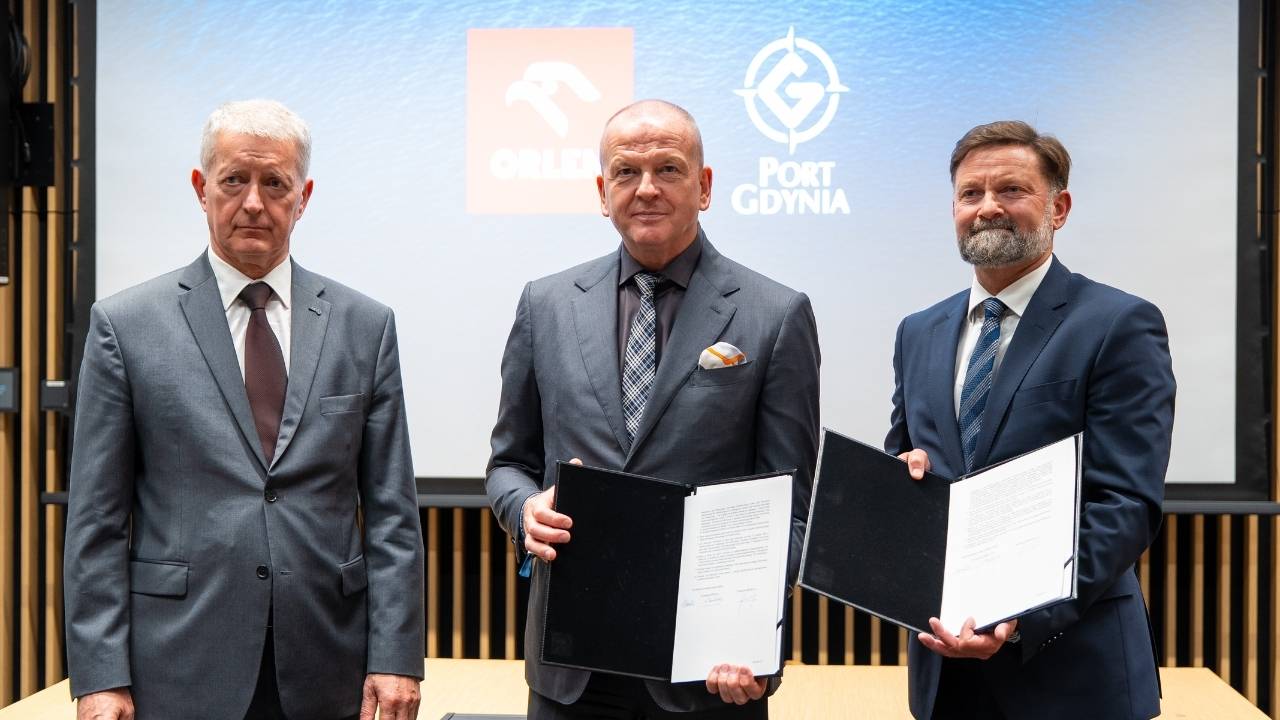
Polish energy company Orlen has entered into a partnership with the Port of Gdynia Authority to assess the feasibility of LNG and bio-LNG bunkering services along the Polish coast, as shipowners face tightening greenhouse gas regulations under the FuelEU Maritime framework.
The agreement covers an evaluation of market demand, potential bunkering models, infrastructure requirements, operational conditions and regulatory needs. Among the options under review is ship-to-ship bunkering — where fuel is transferred directly from a bunker vessel to a ship in port — including its suitability for larger vessels and the feasibility of bunkering operations conducted in parallel with cargo handling.
Robert Soszyński, Vice President of Orlen’s Management Board for Operations, said: "Our expanded cooperation with the Port of Gdynia marks an important step in developing the LNG and bio-LNG market in the Tri-City area and forms part of a wider transformation of Orlen's fuel portfolio through 2035. Under the Orlen Group's strategy, gas, including LNG, will play a strategic role as a transitional fuel supporting energy security and the decarbonisation of transport."
Soszyński added: "We want Orlen to be more than a fuel supplier to ports. We aim to be a partner in their transition, making a genuine contribution to the development of infrastructure and market conditions needed for alternative marine fuels to grow in Poland and the wider region."
The partnership will focus particularly on operators of scheduled ferry, container and ro-ro services, and will include a review of bunkering solutions deployed at other European ports. The parties say the objective is to develop market-tailored solutions while maintaining compliance with safety requirements and minimising disruption to vessel traffic and terminal operations.
Piotr Gorzeński, CEO of the Port of Gdynia Authority, remarked: "Energy transition in the shipping industry is already under way. Shipowners are looking for solutions that could reduce emissions, while ports need to be ready to accommodate vessels using a range of fuels and technologies. We want the Port of Gdynia to be prepared for what the future may bring, because no one can say with certainty which solutions will matter most 10 or 20 years from now."
The initiative comes as the FuelEU Maritime regulation — which applies from 2025 — progressively tightens requirements for the greenhouse gas intensity of energy used on board ships. The regulation is prompting shipowners and ports to prepare for a market in which multiple fuel types and technologies may develop in parallel, ranging from LNG and bio-LNG to methanol, ammonia and hydrogen.
Orlen describes the initiative as part of a long-term effort to build what it calls an alternative marine fuels ecosystem in Poland. The company says it is expanding its capabilities across the LNG and bio-LNG value chain — from supply and logistics through to end use — and is exploring new applications for liquefied gas fuels in both heavy-duty road and maritime transport.
|
Wind-assisted propulsion 'no longer just a concept', ICS panel says
Shipowners weigh wind power as a practical, low-risk route towards decarbonisation targets. |
|
|
|
||
|
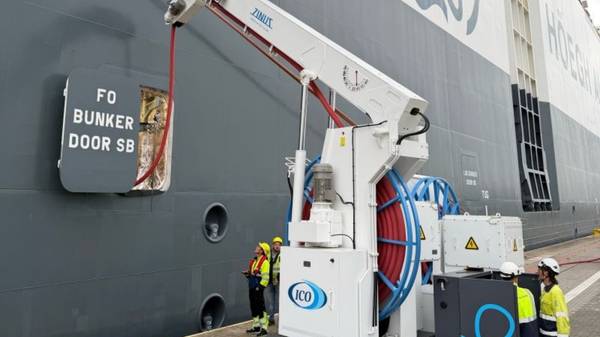
Höegh Autoliners vessel connects to shore power for the first time in Europe
Höegh Starlight used 11 kV shore power in Zeebrugge, allowing it to switch off its auxiliary engines while alongside. |
|
|
|
||
|
Chinese shipbuilder ROC signs deal for up to eight methanol-ready CSOVs
Contract signed with European shipowner for vessels designed for offshore wind farm maintenance work. |
|
|
|
||
|
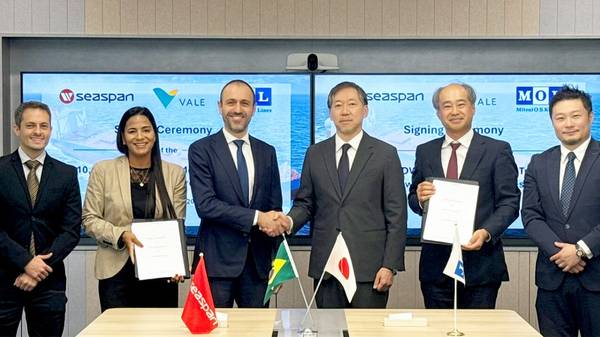
MOL and Vale sign 25-year deal for tri-fuel ore carriers
New vessels will be able to run on ethanol, methanol or heavy fuel oil, offering fuel flexibility. |
|
|
|
||

|
ScanOcean appoints Lars Malmbratt as senior commercial manager
Swedish firm strengthens commercial team with experienced industry executive based in Gothenburg. |
|
|
|
||
|
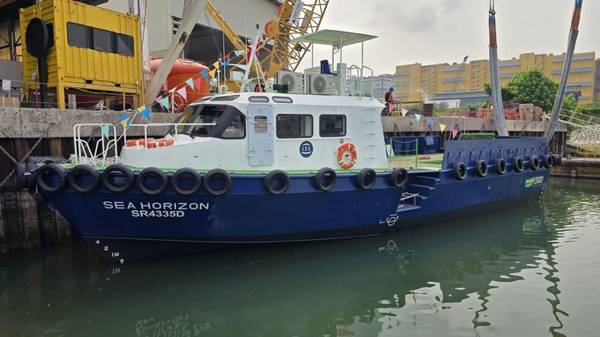
Pinnacle Marine launches second B100-compatible harbour craft for Les Star
Sea Horizon joins Singapore’s harbour craft fleet. |
|
|
|
||
|
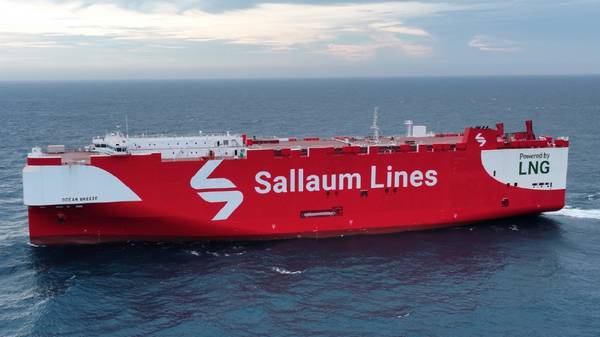
Sallaum Lines orders LNG-fuelled, ammonia-ready PCTCs from Chinese yards
Operator signs shipbuilding agreements for new generation of 8,600-CEU vessels, taking its newbuild investment past $1bn. |
|
|
|
||
|
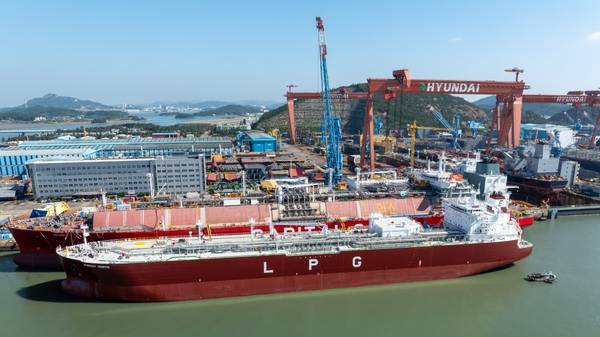
Nakilat takes delivery of dual-fuel carrier in South Korea
Ammonia-ready design positions vessel to play key role in future low-carbon energy supply chains, says Qatari firm. |
|
|
|
||
|
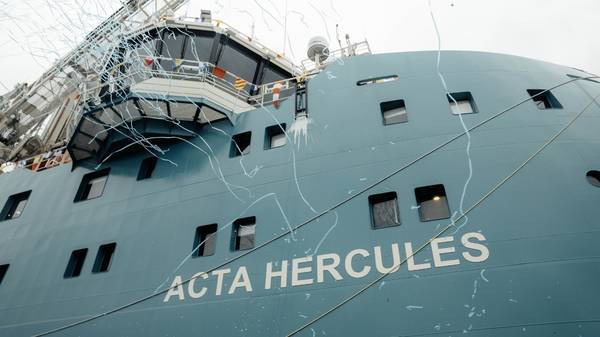
Acta Marine christens methanol dual-fuel vessel Acta Hercules in IJmuiden
Dutch operator marks the christening of its second newbuild CSOV. |
|
|
|
||
|
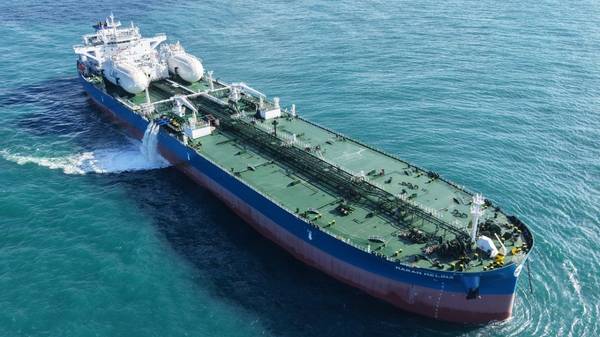
Angelicoussis Group takes delivery of fifth dual-fuel Suezmax tanker
Maran Tankers Management adds the 155,500-DWT Maran Melina to its fleet. |
|
|
|
||
| ABS, HD KSOE and Siemens partner on digital twin technology for ammonia-fuelled ship safety [News & Insights] |
| Nuclear-powered LNG carriers cost more upfront but cut lifetime fuel bills, ABS-backed study finds [News & Insights] |
| Electric and hybrid ferries could cut Sea of Marmara emissions by 63%, IMO study finds [News & Insights] |
| Electric and hybrid ferries could cut Sea of Marmara emissions by 63%, IMO study finds [News & Insights] |
| Batumi Sea Port officials study decarbonisation practices in Hamburg [News & Insights] |
