
 |
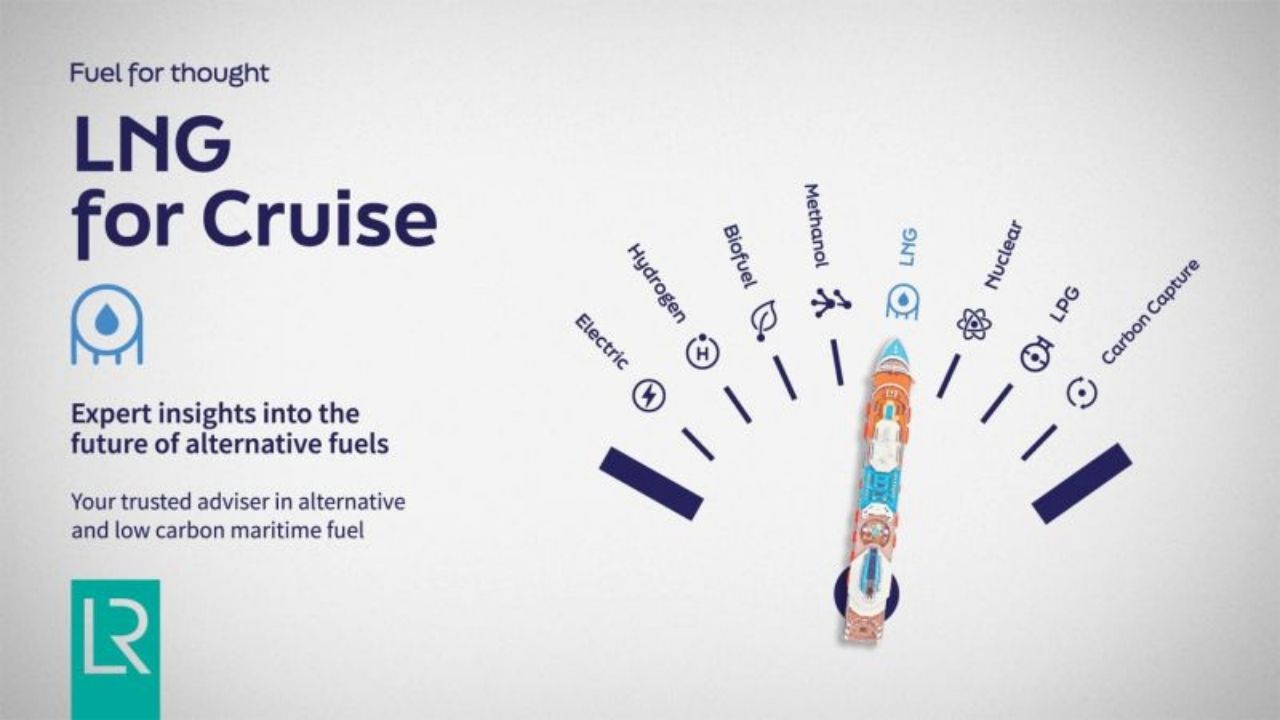
Lloyd’s Register (LR) has published a report examining the role of liquefied natural gas (LNG) in the cruise sector, concluding that the fuel remains the most readily deployable decarbonisation option for the segment despite continued concerns over methane emissions.
The report, Fuel for Thought: LNG for Cruise, was launched on 14 April at Seatrade Cruise and sets out an evidence-based assessment of how LNG is already improving air quality and emissions performance in cruise shipping.
LR notes that LNG is now the most widely adopted alternative fuel in the cruise sector, both in the in-service fleet and in the orderbook. The report attributes this to the availability of LNG at scale, backed by global bunkering infrastructure and compatibility with existing safety and regulatory frameworks.
The study examines LNG’s full lifecycle performance, including well-to-wake emissions, treatment under International Maritime Organization (IMO) and European Union (EU) rules, and the economic effects of emerging compliance mechanisms such as the IMO Net-Zero Framework and FuelEU Maritime.
LR said tackling methane slip remains critical to LNG’s longer-term credentials and pointed to ongoing progress through improved engine designs, onboard abatement technologies and verification methods.
The report also stresses the importance of recognising upstream improvements in LNG production and supply. According to LR, certification of lower-emissions LNG and the growth of bio-LNG could significantly reduce greenhouse gas intensity, provided regulatory frameworks evolve to reflect real-world performance and support investment across the value chain.
Francesco Ruisi, LR’s VP global passenger ship segment director, said: “For cruise operators, the report positions LNG not as an endpoint, but as a practical enabler of the industry’s decarbonisation pathway.
“With cruise ships operating in a highly visible and tightly regulated environment, the need to reduce emissions today while retaining the flexibility to adopt future fuels and technologies remains a critical consideration.”
The publication forms part of LR’s wider Fuel for Thought series, which provides technical insight into alternative fuels shaping shipping’s transition to lower-carbon operations.
|
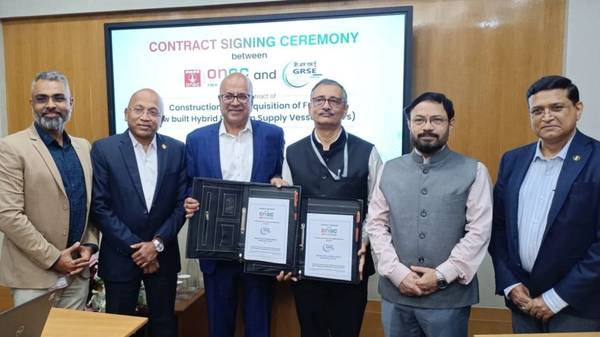
GRSE signs contract with ONGC to build four hybrid platform supply vessels
Indian shipbuilder adds offshore support vessels to its portfolio with hybrid propulsion contract for state oil firm. |
|
|
|
||
|
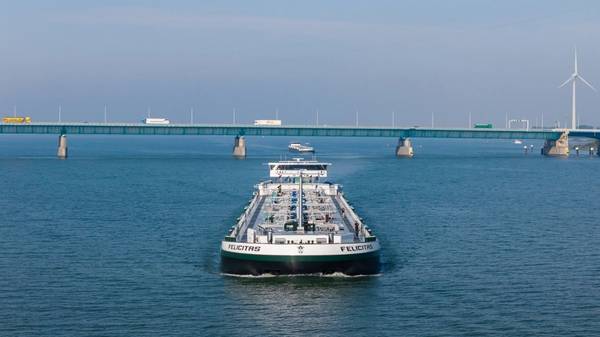
AMS Barging christens methanol-ready tanker as fleet reaches 17 vessels
Dutch inland shipping company adds 9,000-cbm diesel-electric tanker Felicitas, designed for future conversion to methanol bunkering. |
|
|
|
||
|
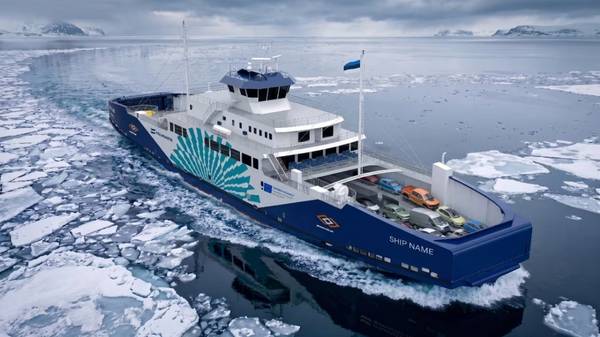
Steerprop to supply next-generation CRP units for Estonia's first electric ferry
Finnish propulsion specialist Steerprop will equip a CRIST-built electric ferry with upgraded contra-rotating propeller technology for the Estonian State Fleet. |
|
|
|
||
|
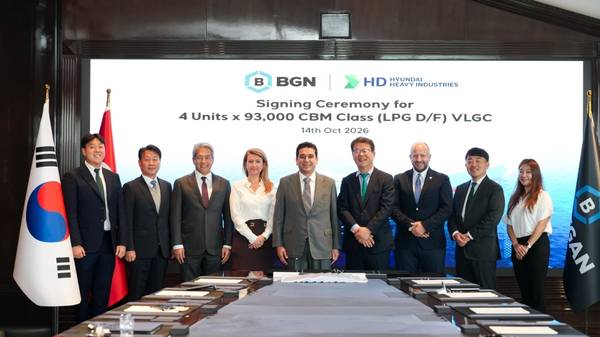
BGN orders four more dual-fuel LPG carriers from HD Hyundai Heavy Industries
New contract brings BGN's 2026 orders with HD HHI to 10 vessels and will increase its owned VLGC fleet to 23 ships. |
|
|
|
||
|
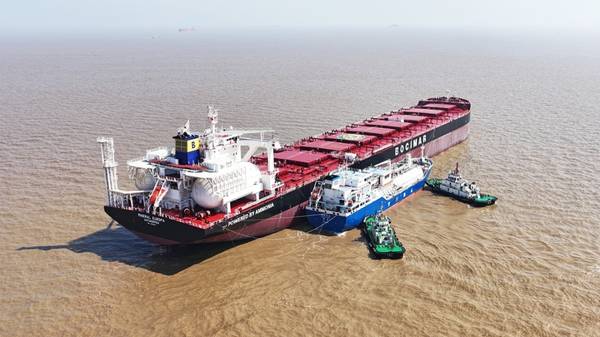
World's first ship-to-ship green ammonia bunkering operation completed in China
Shenghang Yongle supplied 1,000 tonnes of green ammonia to CMB.Tech's Mineral Europa, connecting the fuel's full supply chain. |
|
|
|
||
|
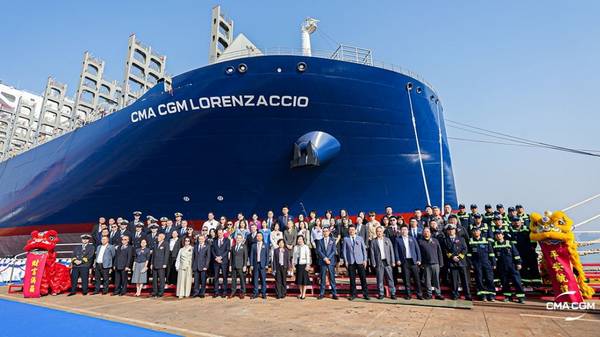
15,000-TEU methanol-powered boxship named CMA CGM Lorenzaccio
French carrier adds literature-inspired vessel to its methanol-powered fleet for deployment on the REX2 service. |
|
|
|
||
|
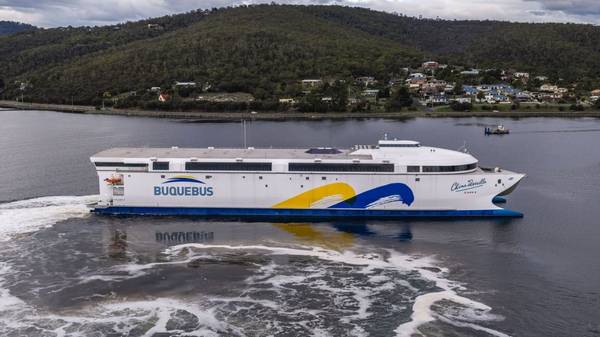
Battery-electric ferries grow in scale as aluminium multihulls gain market share
DNV highlights the rise of battery-electric aluminium ferries, spotlighting the delivery of the world's largest such vessel. |
|
|
|
||
|
IBT Bunkering & Trading appoints Sales Support Specialist
Björn Hauschild joins from shipyard broker CombiTrade. |
|
|
|
||
|
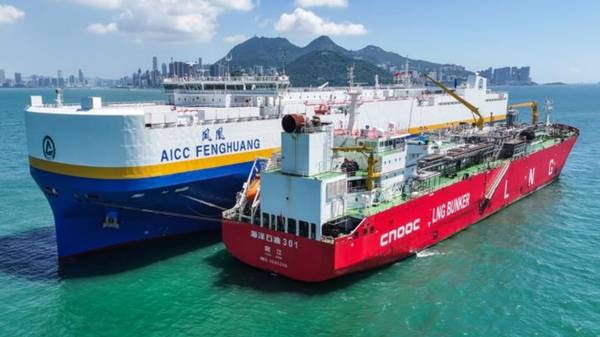
CLPe and CNOOC complete Hong Kong's first LNG bunkering of a pure car and truck carrier
Ship-to-ship operation delivered around 2,600 cbm of LNG to dual-fuel vessel AICC Fenghuang. |
|
|
|
||
|
Mercuria seeks senior sales and account manager for bunker delivery platform
Role can be based either remotely or at one of its offices in London, Geneva, Athens or Las Palmas. |
|
|
|
||
| LR publishes retrofit guidance covering alternative fuels and energy-saving devices in one framework [News & Insights] |
| Study finds methanol dual-fuel retrofit of Kamsarmax bulk carrier would take about 75 days [News & Insights] |
| Lloyd's Register, Shell and GTT launch joint project on hybrid-electric 200,000-cbm LNG carrier [News & Insights] |
| Keel-laying ceremony held for LNG-powered Disney Believe at Meyer Werft [News & Insights] |
| Nuclear-powered LNG carriers cost more upfront but cut lifetime fuel bills, ABS-backed study finds [News & Insights] |
