
 |
Turkish shipbuilder Sanmar Shipyards has completed sea trials for its 14th fully electric tugboat, Dinamo IV, during the company’s 50th anniversary year.
The vessel is part of the ElectRA 2500SX series, developed through Sanmar’s partnership with Canadian naval architecture firm Robert Allan Ltd. The design uses battery technology supplied by Corvus Energy and is intended to deliver zero emissions at the point of use.
According to Sanmar, Dinamo IV has a length of 25.40 metres, a breadth of 12.86 metres and a maximum draught of 5.40 metres. The tug is equipped with 1,808 kWh of battery capacity, enabling it to achieve a bollard pull of 70 tonnes and a speed of 12.5 knots.
Since the ElectRA series was launched in 2021, the tugs have entered service in Europe, North America and Latin America, often in environmentally sensitive waters. Current operators include HaiSea Marine, Saam Towage, Svitzer, Buksér og Berging and Botas.
Sanmar noted that the series has also received industry recognition, including the ITS 2023 Tug of the Year award for HaiSea Wamis and the recent shortlisting of Saam Trapananda for the 2026 award.
Rüçhan Çıvgın, Commercial Director of Sanmar Shipyards, said: "We took a strategic decision to be at the forefront of this change and are working collaboratively to achieve a sustainable future. Right from the start, we knew these green credentials had to be achieved without any loss of power or performance. A great deal of effort has gone into ensuring that they match and, in many cases, outperform their conventional counterparts."
With 14 vessels now completed and a 15th already under construction, Sanmar said it continues to focus on meeting growing demand for lower-emission propulsion systems in the maritime sector.
|
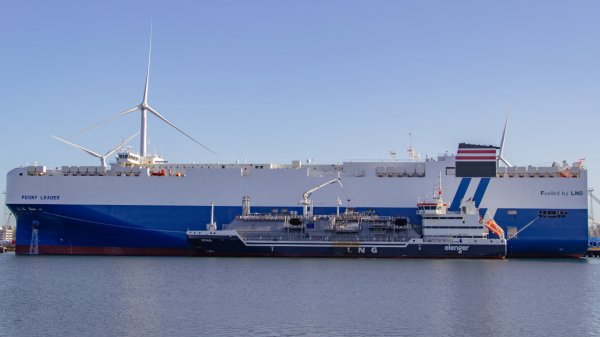
FuelEU pooling drives surge in bio-LNG demand, Titan analysis finds
Clean fuel supplier's modelling shows pooling mechanism turning overcompliance into tradable value for LNG-fuelled ships. |
|
|
|
||
|
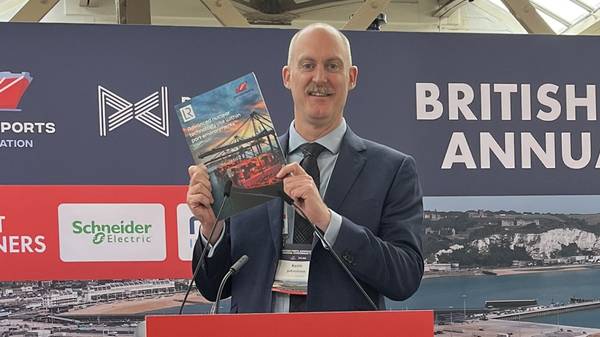
Ports told to prepare now for advanced nuclear power
Joint paper sets out a readiness pathway for ports facing nuclear-powered vessels, floating reactors and small modular units |
|
|
|
||
|
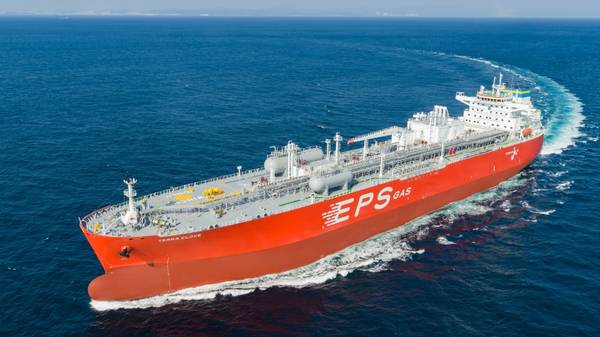
Eastern Pacific Shipping takes delivery of first ammonia dual-fuel VLAC
Terra Clove powered by first Everllence B&W 6G60ME-C10.5-LGIA ammonia dual-fuel two-stroke engine. |
|
|
|
||
|
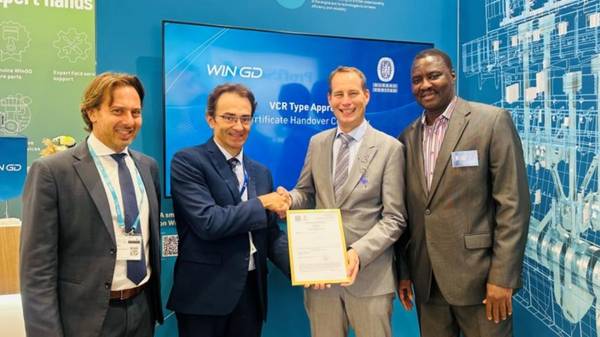
Bureau Veritas approves WinGD's variable compression ratio technology for dual-fuel engines
Classification society grants type approval to engine technology enabling compression ratio adjustment across different marine fuels. |
|
|
|
||
|
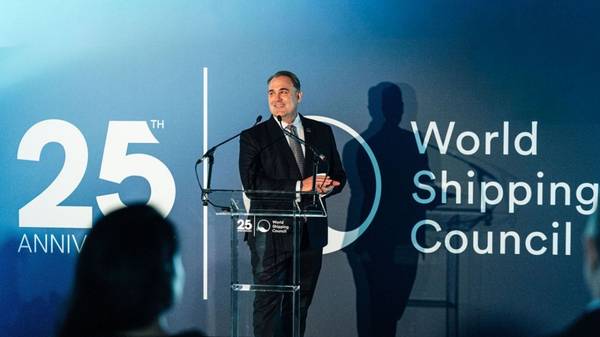
Dual-fuel fleet passes 500 ships as investment tops $200bn
World Shipping Council data shows dual-fuel container ships and vehicle carriers growing fast, with IMO rules uncertain. |
|
|
|
||

|
VPS to host Athens seminar on fuel efficiency and carbon reduction
VPS's final European round table of 2026 will cover marine fuels, lubricants and decarbonisation in Athens. |
|
|
|
||
|
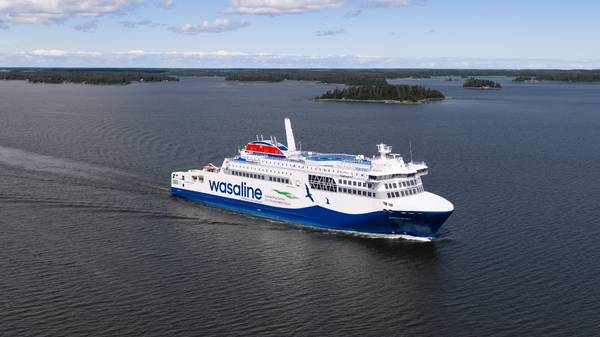
Wasaline secures locally produced biogas supply from St1 Biokraft for Vaasa–Umeå ferry
Agreement will supply 42 GWh of liquefied biogas annually, with deliveries due to start in January 2028. |
|
|
|
||
|
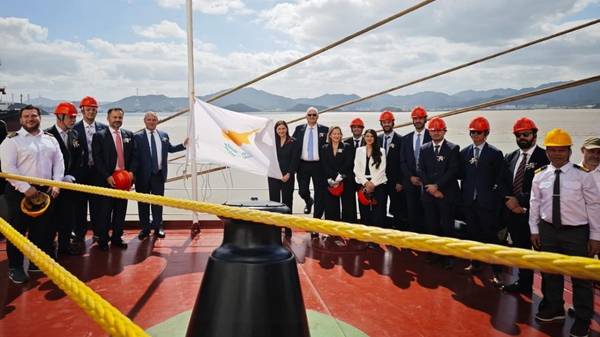
Safe Bulkers takes delivery of first dual-fuel methanol Kamsarmax newbuild
Kypros Island becomes the first dual-fuel bulker to enter the Cyprus Registry. |
|
|
|
||

|
PetroChina seeks LNG bunker trader to expand Asian marine fuel business
Role requires five to ten years of commercial experience in LNG, bunker trading, marine fuels, commodities, or energy trading. |
|
|
|
||
|
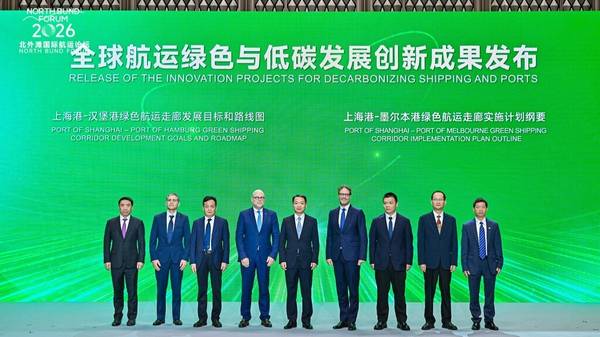
Shanghai and Melbourne ports move green shipping corridor into delivery phase
Ports launch implementation plan targeting green methanol, biofuels and shore power by 2035. |
|
|
|
||
| Eastern Pacific Shipping takes delivery of first ammonia dual-fuel VLAC [News & Insights] |
| Safe Bulkers takes delivery of first dual-fuel methanol Kamsarmax newbuild [News & Insights] |
| Maersk Tankers names second gas carrier in South Korea [News & Insights] |
| HMM orders eight LNG dual-fuel container ships in newbuild push [News & Insights] |
| CIMC SOE advances construction on three LNG bunker vessels [News & Insights] |
