
 |
The renewable ammonia sector recorded another month of gradual growth in March 2026, with the global pipeline increasing by 0.7 million tonnes month on month, according to the latest update from GENA Solutions’ Project Navigator Ammonia database.
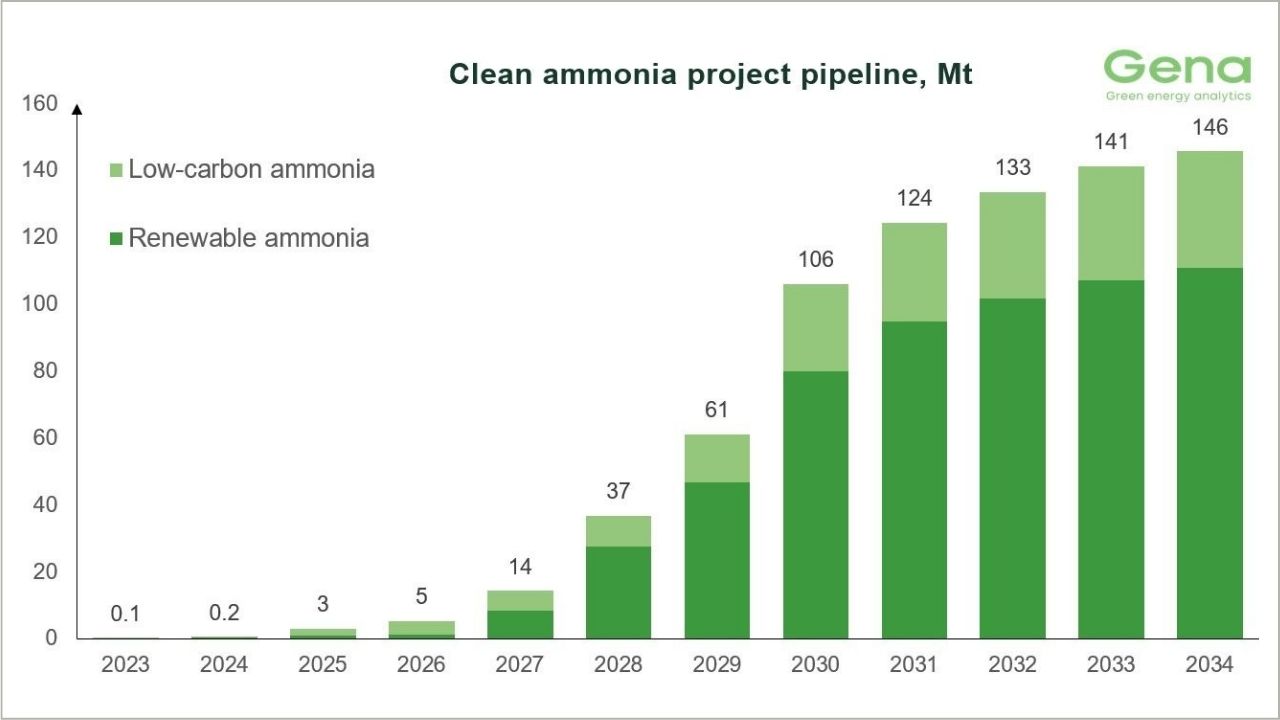
By the end of March, GENA was tracking 325 projects and operational facilities, representing 106 million tonnes of capacity by 2030 and 146 million tonnes by 2034. Of that total, 290 renewable ammonia projects account for 111 million tonnes of capacity by 2034, while 35 low-carbon ammonia projects represent 35 million tonnes.
Several projects moved forward during the month. In India, one project awarded a front-end engineering design (FEED) study, while Reliance Industries and Samsung C&T signed a binding long-term agreement for the supply of green ammonia from India over a 15-year period.
In China, one renewable ammonia project signed an engineering, procurement and construction (EPC) contract, while another launched a tender for EPC services. In Paraguay, ATOME Energy signed definitive debt financing documents for its Villeta project.
The month also brought setbacks. Iverson eFuels said it would freeze its 200,000-tonne-per-annum renewable ammonia project in Sauda, Norway, citing “the withdrawal of allocated grid capacity and uncertainty regarding future access” as the main reason. The project had previously delayed its commercial start-up to 2031 at the earliest, which resulted in the loss of previously reserved grid capacity.
Six new projects were added to the database in the latest release, while one frozen project was removed.
GENA said around 5 million tonnes of renewable ammonia capacity has now reached final investment decision (FID), either in operational facilities or in projects under construction, with a further 12 million tonnes in the engineering stage. By comparison, low-carbon ammonia accounts for about 7 million tonnes of post-FID capacity and 11 million tonnes in engineering, despite the renewable ammonia pipeline being around three times larger.
Around 84% of renewable ammonia projects are still at the feasibility or pre-feasibility stage. According to GENA Solutions, given expected demand growth, competition levels and continued regulatory setbacks, only a relatively small share of those projects is likely to reach operation.
|
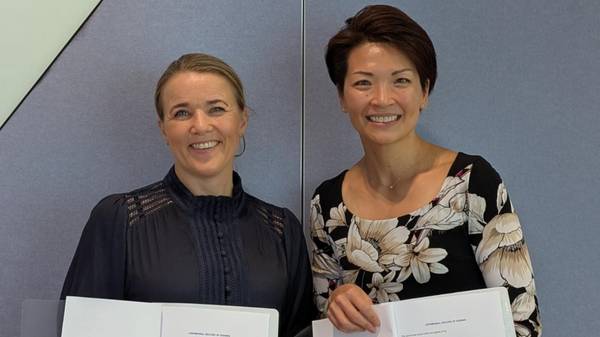
GCMD and Equinor sign five-year partnership on alternative fuels and carbon storage
Singapore-based centre and Norwegian energy company to combine expertise in maritime pilots and low-carbon fuel supply. |
|
|
|
||
|
Petrobras suspends bunker deliveries at Rio Grande after tropical storm
Storm damage and power outage leave resumption timeline unclear. |
|
|
|
||
|
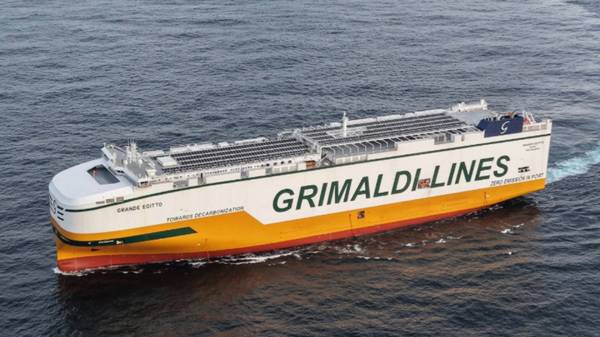
Grimaldi adds fourteenth ammonia-ready car carrier to fleet
Grande Egitto, built by China Merchants Heavy Industries Jiangsu, will operate on the Asia–East Africa trade route. |
|
|
|
||
|
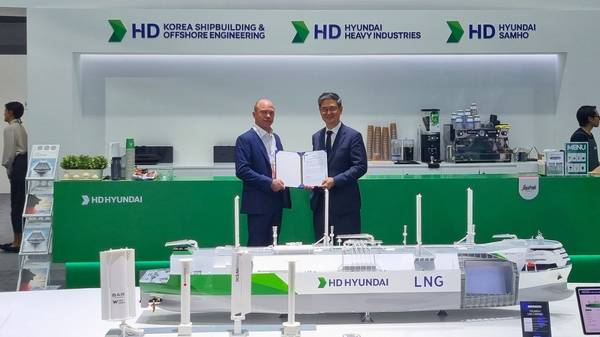
ABS grants design approval for ammonia bunkering vessel from HD HHI and HD KSOE
Approval in principle covers a 22,000-cbm multi-purpose vessel intended to supply ammonia as marine fuel. |
|
|
|
||
|
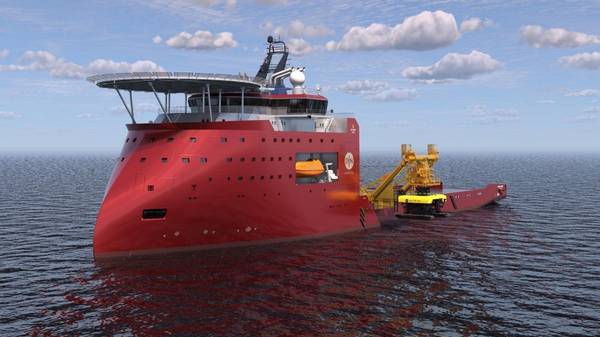
Jan De Nul exercises option for alternative-fuel-capable trenching vessel
Belgian marine contractor confirms option for a second subsea trenching vessel built on Ulstein's customised design platform. |
|
|
|
||
|
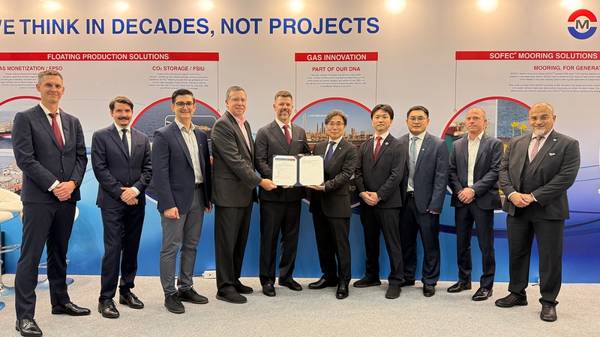
ABS grants technology qualification approval for FPSO fuel cell system
MODEC and Eld Energy’s solid oxide fuel cell system moves towards offshore trials after clearing initial ABS review stages. |
|
|
|
||

|
IMO sub-committee finalises revised methanol fuel safety guidelines
CCC 12 completes revision of interim methanol fuel guidelines while advancing work on carbon capture and low-flashpoint fuel rules. |
|
|
|
||
|
Trafigura spins off VLCC fleet into new listed shipping company
Volare Shipping established, with eight ammonia-ready vessels on order. |
|
|
|
||
|
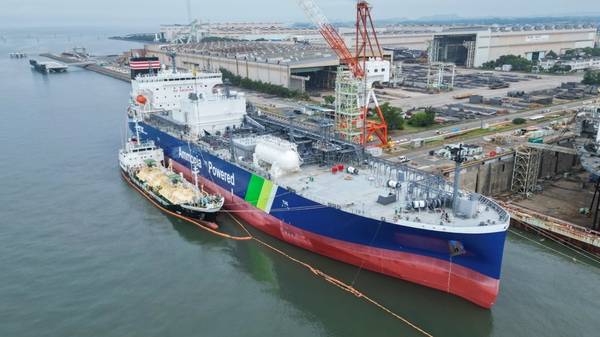
Japan completes world's first ship-to-ship ammonia bunkering to ammonia-fuelled vessel
Ammonia fuel transferred between ships at Ariake Shipyard ahead of gas carrier’s sea trials. |
|
|
|
||
|
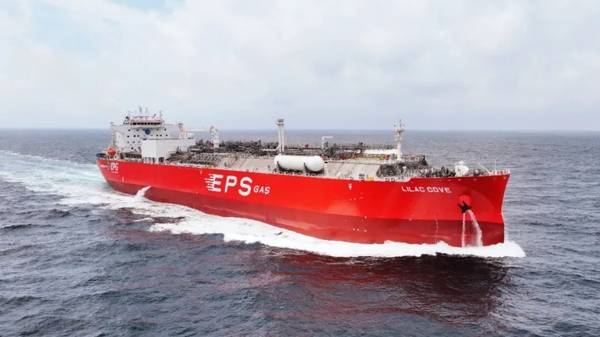
Jiangnan delivers second LPG dual-fuel VLAC in series to Singapore’s EPS
Lilac Cove, the world’s largest liquid ammonia carrier, joins Ivy Cove as Jiangnan advances its six-ship VLAC programme. |
|
|
|
||
| GCMD and Equinor sign five-year partnership on alternative fuels and carbon storage [News & Insights] |
| Grimaldi adds fourteenth ammonia-ready car carrier to fleet [News & Insights] |
| ABS grants design approval for ammonia bunkering vessel from HD HHI and HD KSOE [News & Insights] |
| Trafigura spins off VLCC fleet into new listed shipping company [News & Insights] |
| Japan completes world's first ship-to-ship ammonia bunkering to ammonia-fuelled vessel [News & Insights] |
