
 |
Maritime and Port Authority of Singapore is working with international partners to maintain maritime operations and supply chain stability amid ongoing global uncertainty, according to its chief executive.
Speaking at the Asia Pacific Maritime Conference on 25 March, Ang Wee Keong said cargo flows through Singapore have remained stable in recent weeks, with sufficient bunker supply to meet demand. He added that the authority has issued multiple advisories to operators of Singapore-registered vessels since tensions in the Middle East began.
“The safety of seafarers and Singapore-flagged ships remains our utmost priority,” Ang said, noting that vessel movements in affected areas are being monitored in coordination with Singapore’s Information Fusion Centre.
The MPA is also advancing digitalisation across bunkering operations. Since April 2025, all licensed suppliers in Singapore have adopted digital bunkering by default, replacing paper-based processes. According to Ang, this shift has resulted in annual time savings of around 40,000 man-days across the industry.
In parallel, Singapore continues to expand its alternative fuel capabilities. The authority awarded three methanol bunkering licences last year and began accepting applications for additional LNG bunkering licences in January, requiring applicants to demonstrate readiness to supply lower-emission fuels such as biomethane.
On the infrastructure side, development of Tuas Port is progressing, with four additional berths scheduled to open this year, including a facility designed to test autonomous and digital port technologies. Once completed, Tuas is expected to become the world’s largest fully automated port.
Singapore is also collaborating with international partners through Green and Digital Shipping Corridors to explore solutions that enhance both connectivity and sustainability across maritime routes.
Looking ahead, the Ministry of Transport is preparing a Maritime Singapore Master Plan to guide long-term development of the sector, focusing on competitiveness, innovation and workforce capabilities. The plan will be developed in consultation with industry stakeholders and the wider public.
Ang noted that alongside geopolitical challenges, the industry continues to adapt to technological change and evolving fuel pathways, with digitalisation, automation and cleaner energy solutions expected to play a central role in strengthening resilience and supporting future growth.
|
Wind-assisted propulsion 'no longer just a concept', ICS panel says
Shipowners weigh wind power as a practical, low-risk route towards decarbonisation targets. |
|
|
|
||
|
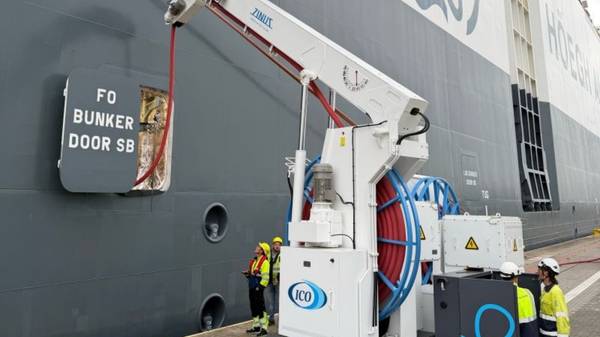
Höegh Autoliners vessel connects to shore power for the first time in Europe
Höegh Starlight used 11 kV shore power in Zeebrugge, allowing it to switch off its auxiliary engines while alongside. |
|
|
|
||
|
Chinese shipbuilder ROC signs deal for up to eight methanol-ready CSOVs
Contract signed with European shipowner for vessels designed for offshore wind farm maintenance work. |
|
|
|
||
|
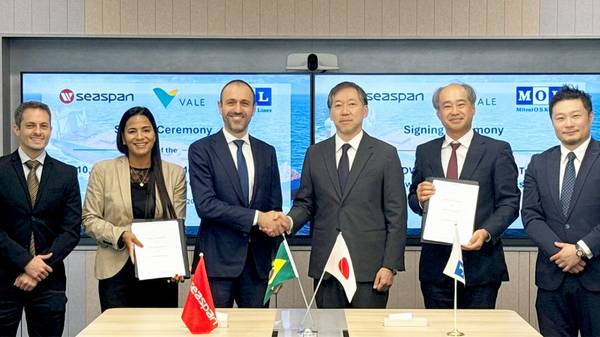
MOL and Vale sign 25-year deal for tri-fuel ore carriers
New vessels will be able to run on ethanol, methanol or heavy fuel oil, offering fuel flexibility. |
|
|
|
||
|
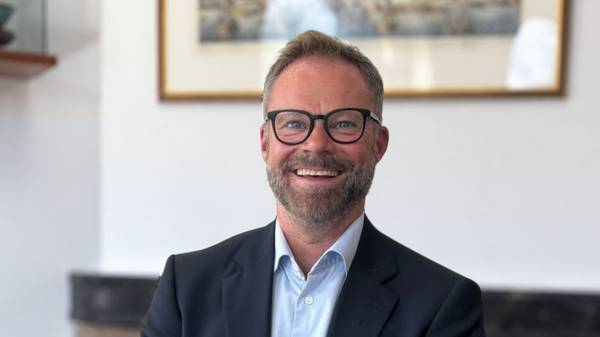
ScanOcean appoints Lars Malmbratt as senior commercial manager
Swedish firm strengthens commercial team with experienced industry executive based in Gothenburg. |
|
|
|
||
|
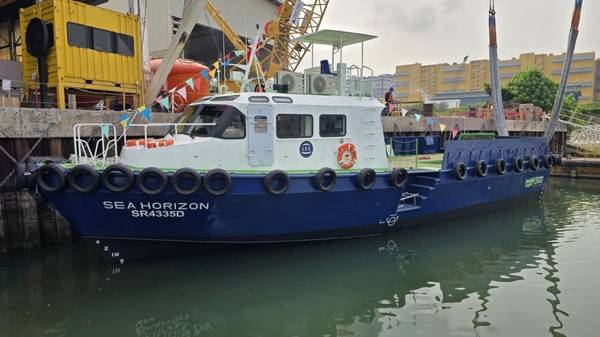
Pinnacle Marine launches second B100-compatible harbour craft for Les Star
Sea Horizon joins Singapore’s harbour craft fleet. |
|
|
|
||
|
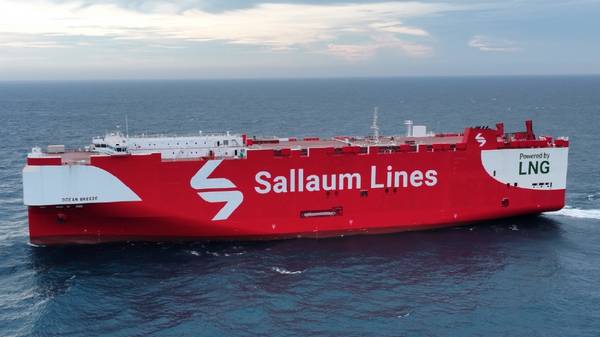
Sallaum Lines orders LNG-fuelled, ammonia-ready PCTCs from Chinese yards
Operator signs shipbuilding agreements for new generation of 8,600-CEU vessels, taking its newbuild investment past $1bn. |
|
|
|
||
|
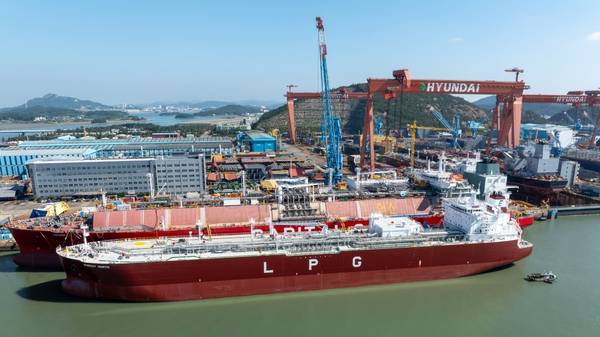
Nakilat takes delivery of dual-fuel carrier in South Korea
Ammonia-ready design positions vessel to play key role in future low-carbon energy supply chains, says Qatari firm. |
|
|
|
||
|
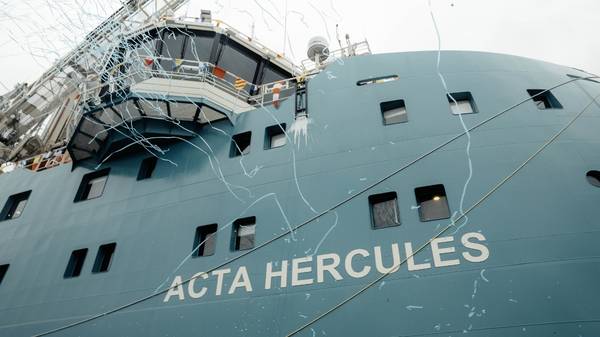
Acta Marine christens methanol dual-fuel vessel Acta Hercules in IJmuiden
Dutch operator marks the christening of its second newbuild CSOV. |
|
|
|
||
|
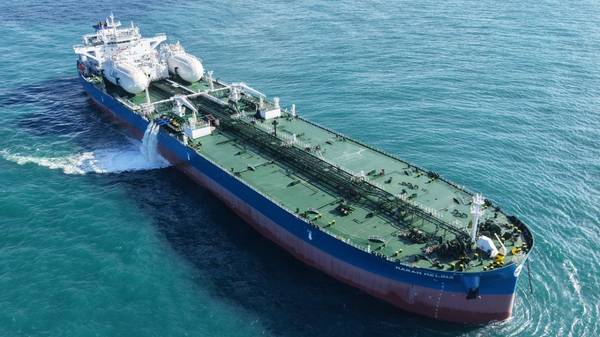
Angelicoussis Group takes delivery of fifth dual-fuel Suezmax tanker
Maran Tankers Management adds the 155,500-DWT Maran Melina to its fleet. |
|
|
|
||
| World Kinect marine segment posts record quarterly gross profit amid bunker price volatility [News & Insights] |
| IMO adopts Singapore-led resolution on protection of shipping lanes [News & Insights] |
| Fuel quality management for vessels in extended idle: Arabian Gulf, Gulf of Oman and adjacent anchorages | Rahul Choudhuri, VPS [News & Insights] |
| IMO chief urges progress on net-zero framework amid Hormuz crisis [News & Insights] |
| The emergence of B100 FAME in a volatile distillate market | Paul Hoather, VPS [News & Insights] |
