
 |
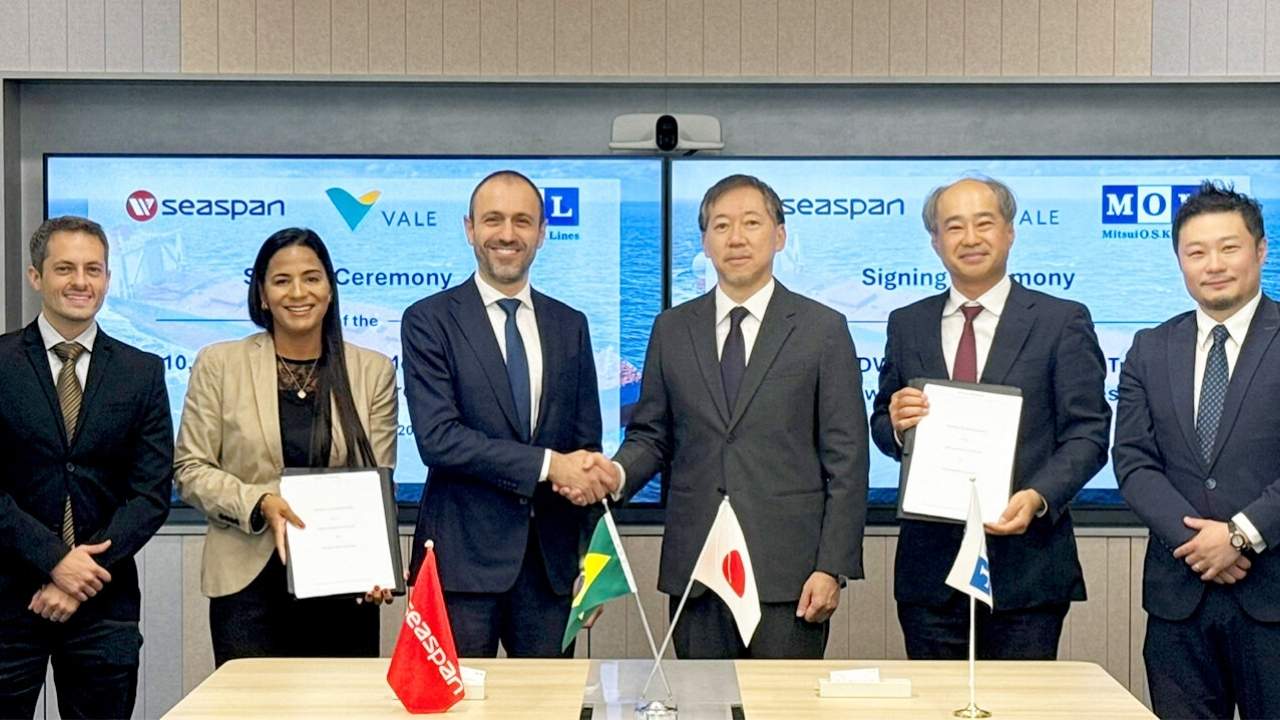
Mitsui O.S.K. Lines (MOL) has announced that its subsidiary, MOL Ocean Bulk Pte. Ltd. (MOLOB), which manages the MOL Group's overseas Capesize bulker business, has signed a 25-year contract with Vale International S.A., a subsidiary of Vale S.A., to transport iron ore using two newly ordered vessels.
The agreement forms part of Vale's shipping decarbonisation strategy and will see the deployment of two 210,000-tonne ore carriers fitted with a tri-fuel propulsion system capable of running on ethanol, methanol or conventional heavy fuel oil.
MOL describes the vessels as the world's first ore carriers of this type. In addition to the tri-fuel engines, the vessels will be built with an LNG- and ammonia-ready design, allowing for the future adoption of either fuel, with the flexibility in fuel choice intended to broaden the practical options available for reducing greenhouse gas (GHG) emissions in marine transport, depending on fuel availability, decarbonisation benefits and economic considerations.
According to data provided by Vale, ethanol could reduce carbon emissions by up to approximately 90% compared with heavy fuel oil on a full lifecycle basis, from production through to consumption.
MOL Group has set out a target of net-zero GHG emissions by 2050 under its 'BLUE ACTION 2035 Phase 2' environmental vision. The company said operation of the two vessels will support progress towards that target while also helping to reduce Vale's marine transport-related Scope 3 emissions — indirect emissions generated across a company's value chain, which in this case include those associated with the seaborne transport of iron ore.
MOL added that, beyond the operation of the vessels themselves, the group intends to work with customers and partners across the ethanol and methanol supply chains — covering procurement, supply and bunkering — as part of broader efforts to decarbonise the shipping industry and support what it calls sustainable resource transport.
The two vessels are scheduled for delivery in 2030 and will have a length overall of 299.95 metres and a breadth of 50.00 metres. They will be used primarily for the transoceanic transport of Vale's iron ore, operating on iron ore routes from Brazil to destinations worldwide, primarily China.
|
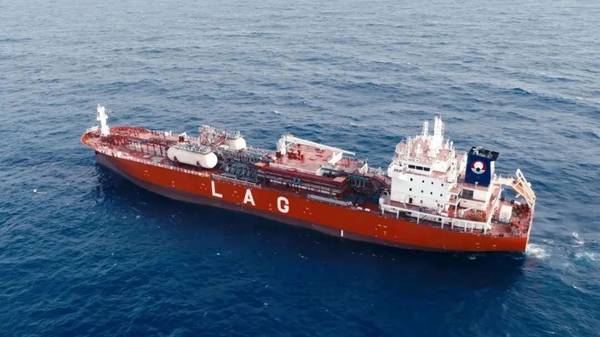
China delivers first domestically built ammonia-fuelled gas carrier
CCS-classed vessel becomes the world's second ammonia-fuelled gas carrier, testing rules for the IMO's zero-carbon shipping transition. |
|
|
|
||
|
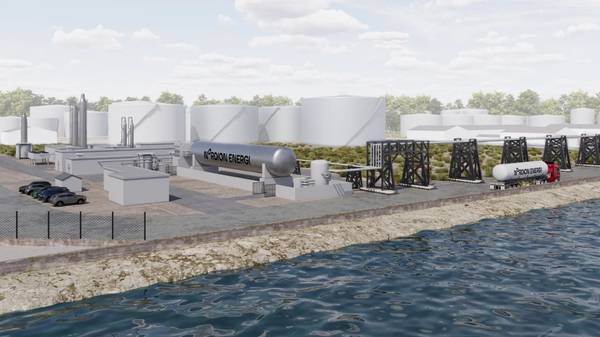
Storage tank installed as Gothenburg's LBG bunkering plant advances towards 2027 completion
Nordion Energi's liquefied biogas facility at the Port of Gothenburg takes a step forward with tank installation. |
|
|
|
||
|
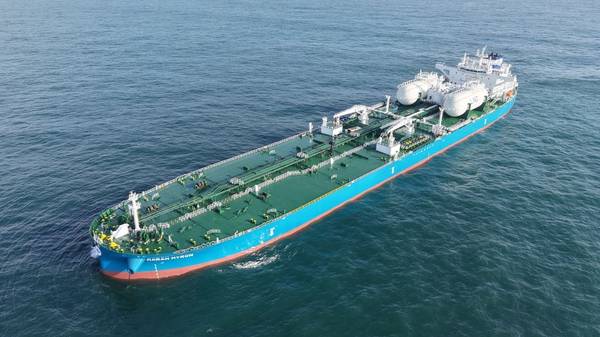
Maran Tankers takes delivery of dual-fuel Suezmax Maran Myron
Vessel is sixth dual-fuel tanker in eight-vessel series built by New Times Shipbuilding. |
|
|
|
||
|
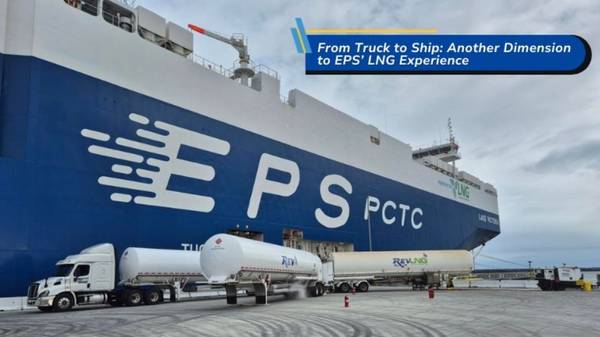
EPS completes first truck-to-ship LNG bunkering operation in Davisville
Fuel delivered to the pure car and truck carrier Lake Victoria whilst at berth. |
|
|
|
||
|
MPA opens applications for LNG floating storage unit licences
Singapore invites applications for up to two LNG floating storage unit licences to bolster bunkering supply resilience. |
|
|
|
||
|
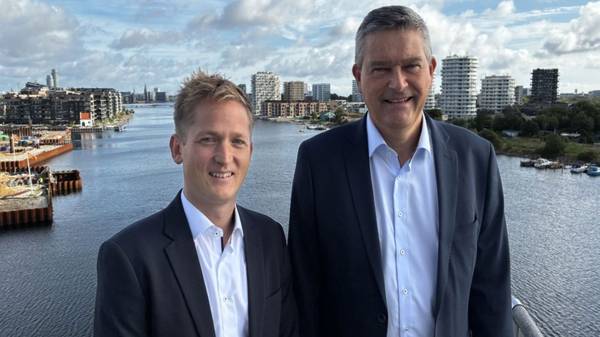
Everllence's small-bore GenSet orders surpass 2,000 in 2026
Engine maker reports strong order intake across its small-bore portfolio, citing demand for reliable, fuel-flexible auxiliary power. |
|
|
|
||
|
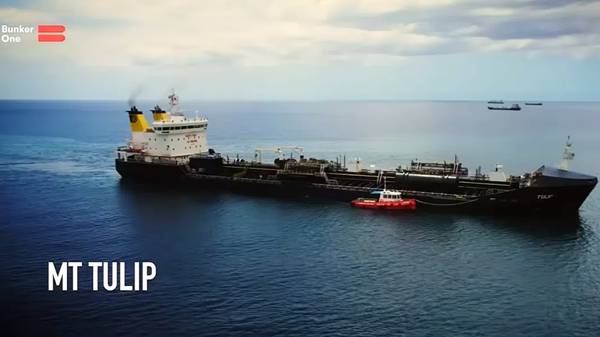
Bunker One renews MT Tulip charter, plans mass flow meter upgrade in Mauritius
Bunker One is keeping its bunker tanker in Mauritius while adding flow metering technology to improve delivery transparency. |
|
|
|
||

|
Fund for Energy Efficiency Technologies becomes first to adopt revised Singapore-Asia Taxonomy
FEET's adoption coincides with Lloyd's Register's independent review of GCMD's methodology for quantifying fuel savings from wind-assisted propulsion systems. |
|
|
|
||
|
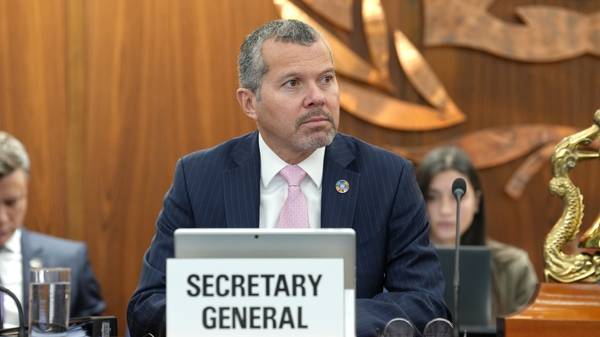
IMO chief urges states to enforce safety rules in Strait of Hormuz amid rising attacks
Arsenio Dominguez says more than 130 attacks on commercial vessels have been verified since February, with at least 25 seafarers killed. |
|
|
|
||
|
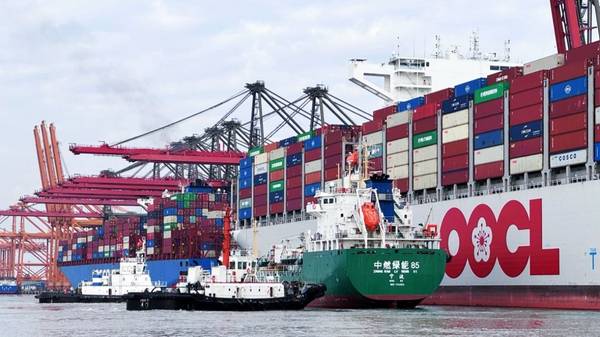
Xiamen Port launches 'green methanol bunkering' with OOCL Wisdom
Boxship received 1,005 tonnes of methanol, corresponding to a reduction of more than 1,600 tonnes in carbon emissions, says COSCO Shipping. |
|
|
|
||
| China delivers first domestically built ammonia-fuelled gas carrier [News & Insights] |
| Maran Tankers takes delivery of dual-fuel Suezmax Maran Myron [News & Insights] |
| Molgas completes acquisition of Prima LNG’s Irish business [News & Insights] |
| Auramarine to supply methanol fuel systems for German hydrographic research vessels [News & Insights] |
| Mitsui E&S secures first order for dual-fuel engines from Indian shipyard [News & Insights] |
