
 |
Japan Engine Corporation (J-ENG) has begun development of a methanol-fuelled marine engine, designated UEC50LSJM, with completion targeted within fiscal year 2027, the company said.
The Japanese engine manufacturer completed its first ammonia-fuelled engine, the 7UEC50LSJA, in August and is also developing a hydrogen-fuelled model, the 6UEC35LSGH. J-ENG said the experience gained from these projects will be applied to the development of the methanol engine.
According to the company, methanol has the potential to reduce emissions of greenhouse gases (GHGs), sulphur oxides (SOx), nitrogen oxides (NOx), and particulate matter. The fuel remains liquid at ambient temperature and pressure, which J-ENG said simplifies handling compared with some other alternative fuels.
J-ENG added that methanol engines are expected to be suitable for a range of vessel types, including medium- and small-sized ships. The company also pointed to the longer-term potential of green methanol derived from biomass and renewable energy to deliver further emissions reductions.
The development is part of J-ENG's strategy to introduce various alternative-fuel engines to the market. According to the company, these efforts aim to support Japan's shipping and shipbuilding industries while contributing to the sector's goal of achieving carbon neutrality by 2050.
J-ENG is positioning itself as a first mover in next-generation fuel-engine development, with methanol joining ammonia and hydrogen in its alternative-fuel engine portfolio.
|
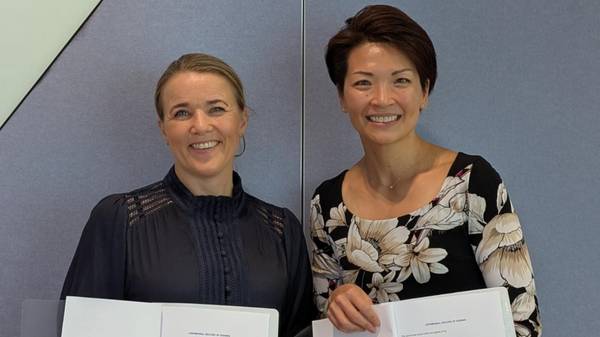
GCMD and Equinor sign five-year partnership on alternative fuels and carbon storage
Singapore-based centre and Norwegian energy company to combine expertise in maritime pilots and low-carbon fuel supply. |
|
|
|
||
|
Petrobras suspends bunker deliveries at Rio Grande after tropical storm
Storm damage and power outage leave resumption timeline unclear. |
|
|
|
||
|
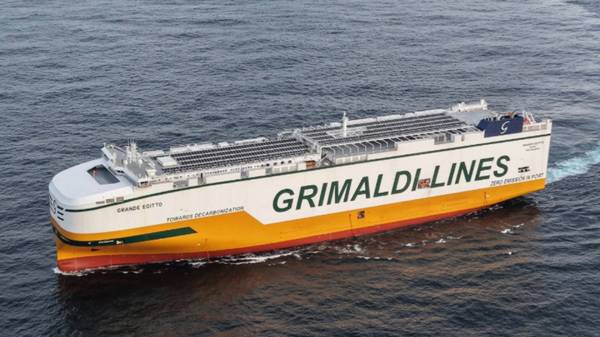
Grimaldi adds fourteenth ammonia-ready car carrier to fleet
Grande Egitto, built by China Merchants Heavy Industries Jiangsu, will operate on the Asia–East Africa trade route. |
|
|
|
||
|
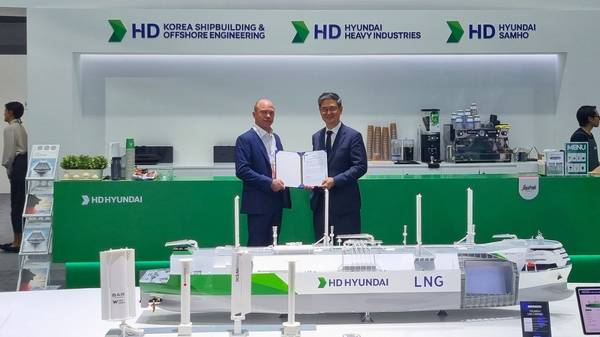
ABS grants design approval for ammonia bunkering vessel from HD HHI and HD KSOE
Approval in principle covers a 22,000-cbm multi-purpose vessel intended to supply ammonia as marine fuel. |
|
|
|
||
|
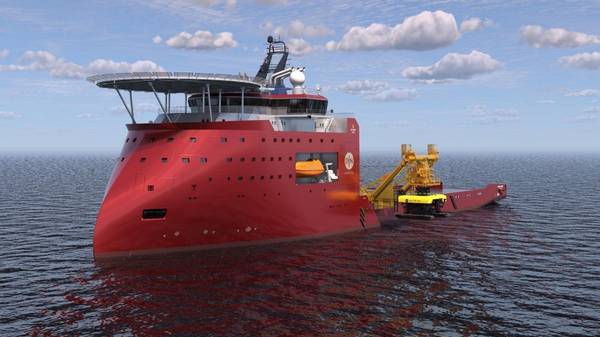
Jan De Nul exercises option for alternative-fuel-capable trenching vessel
Belgian marine contractor confirms option for a second subsea trenching vessel built on Ulstein's customised design platform. |
|
|
|
||
|
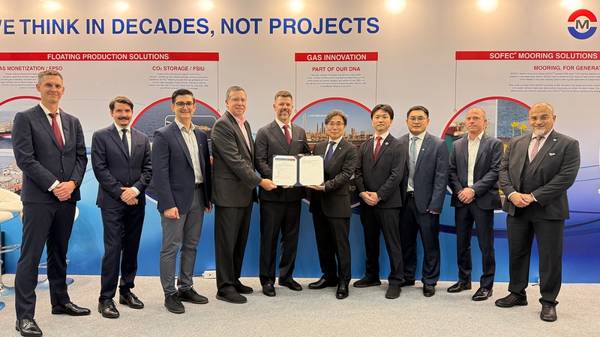
ABS grants technology qualification approval for FPSO fuel cell system
MODEC and Eld Energy’s solid oxide fuel cell system moves towards offshore trials after clearing initial ABS review stages. |
|
|
|
||

|
IMO sub-committee finalises revised methanol fuel safety guidelines
CCC 12 completes revision of interim methanol fuel guidelines while advancing work on carbon capture and low-flashpoint fuel rules. |
|
|
|
||
|
Trafigura spins off VLCC fleet into new listed shipping company
Volare Shipping established, with eight ammonia-ready vessels on order. |
|
|
|
||
|
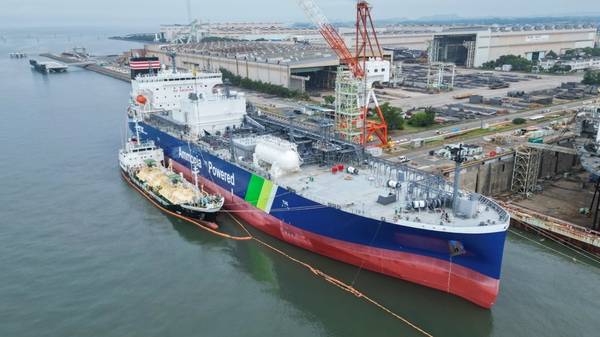
Japan completes world's first ship-to-ship ammonia bunkering to ammonia-fuelled vessel
Ammonia fuel transferred between ships at Ariake Shipyard ahead of gas carrier’s sea trials. |
|
|
|
||
|
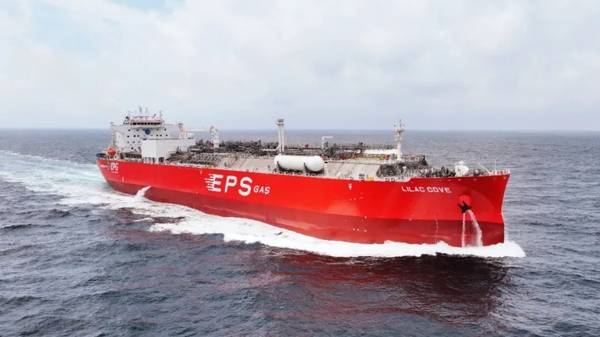
Jiangnan delivers second LPG dual-fuel VLAC in series to Singapore’s EPS
Lilac Cove, the world’s largest liquid ammonia carrier, joins Ivy Cove as Jiangnan advances its six-ship VLAC programme. |
|
|
|
||
| Rolls-Royce tests first pure methanol marine engine in world first [News & Insights] |
| Everllence confirms world-first ethanol operation for two-stroke marine engine [News & Insights] |
| Japan Engine completes land-based testing of landmark hydrogen-fuelled engine for large vessels [News & Insights] |
| ABS grants Hanwha Ocean approval for dual-fuel tank enabling LNG-to-ammonia switch [News & Insights] |
| Bureau Veritas grants approval in principle for methanol-fuelled catamaran concept [News & Insights] |
| WinGD wins order for dual-fuel alcohol engines for Polaris Shipping Newcastlemax fleet [News & Insights] |
| Everllence and Damen sign framework agreement for serial supply of 175D engines [News & Insights] |
