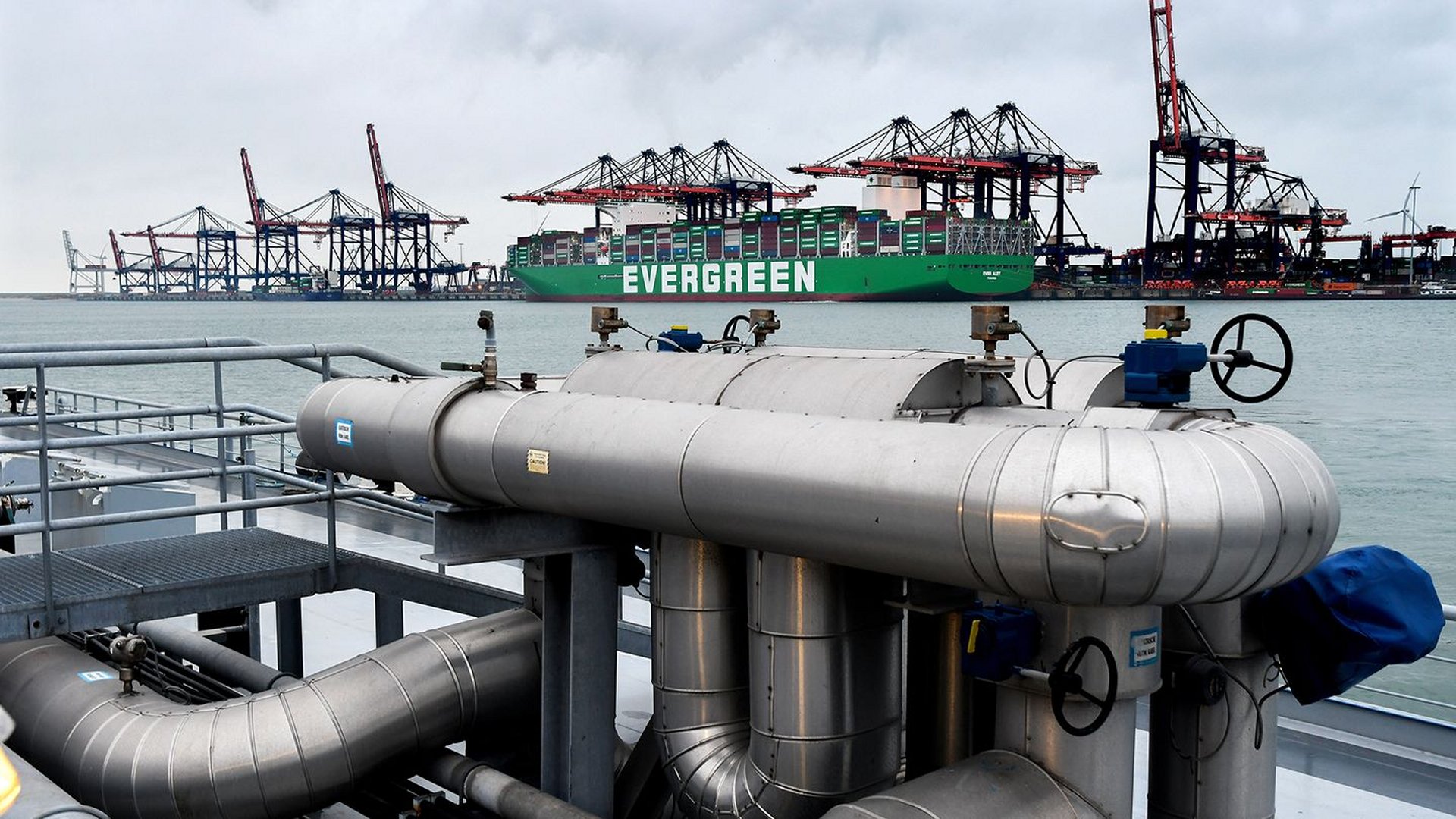
Sales of marine fuel at Europe's largest bunker port, Rotterdam, rose by 8.2 percent in 2022, according to data provided by Port of Rotterdam Authority and analysed by Bunker Index.
Bio blends climb: The most significant gain was seen in sales of bio-blended VLSFO, which jumped 485,367 tonnes, or 324.6 percent, to 634,909 tonnes.
HSFO and MGO in double figures: Non-bio HSFO volume grew 428,442 tonnes, or 16.0 percent, to 3.103m tonnes.
Rotterdam Bunker Sales: 2018-22
| Year | Volume (MMT) | +/- (mt) | +/- (%) | |
| 2022 | 10.645 | +807,651 | +8.2 | |
| 2021 | 9.837 | +604,767 | +6.6 | |
| 2020 | 9.232 | +540,401 | +6.2 | |
| 2019 | 8.692 | -537,330 | -5.8 | |
| 2018 | 9.229 | -393,874 | -4.1 |
Methodology: In order to calculate an overall total for all fuel grades, a conversion factor of 0.4049 was used by Bunker Index to convert LNG sales — provided in cubic metres by Port of Rotterdam Authority — into metric tonnes.

|
MOL holds naming ceremony for fourth LNG dual-fuel VLCC
Vessel, named Tsurugidake, features an LNG fuel tank with a capacity exceeding 10,000 cbm. |
|
|
|
||
|
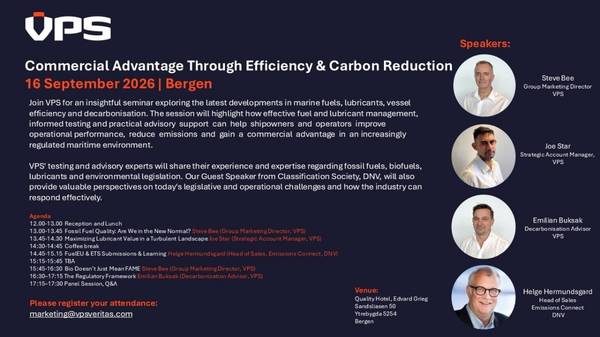
VPS to host Bergen seminar on marine fuel quality, lubricants and decarbonisation regulation
Free-to-attend event on September 16 will feature speakers from VPS and DNV. |
|
|
|
||
|
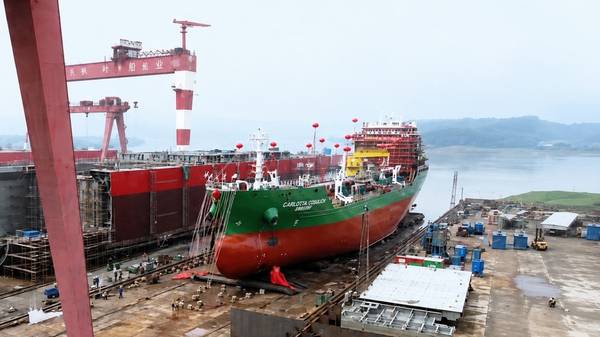
Cosulich Marine Energy launches third methanol-ready bunker tanker in China
Carlotta Cosulich launched at Taizhou Maple Leaf Shipyard, leaving one vessel in series still to come. |
|
|
|
||
|
Carnival's CSMART seeks specialist instructor for LNG-as-fuel training in Netherlands
Role focused on delivering training to through classroom instruction and simulator-based learning. |
|
|
|
||
|
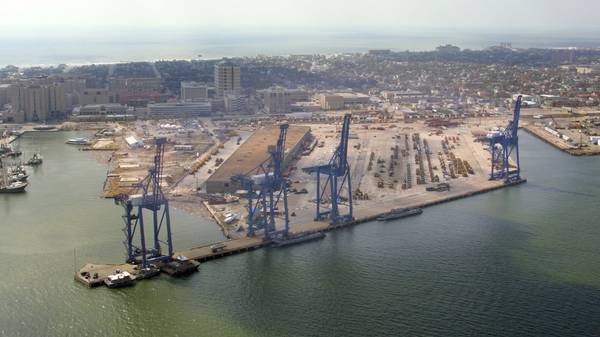
Stabilis Solutions nears 100 LNG bunkering operations at Galveston
Houston-based supplier highlights its Gulf Coast LNG bunkering record as plans advance for new liquefaction facility. |
|
|
|
||
|
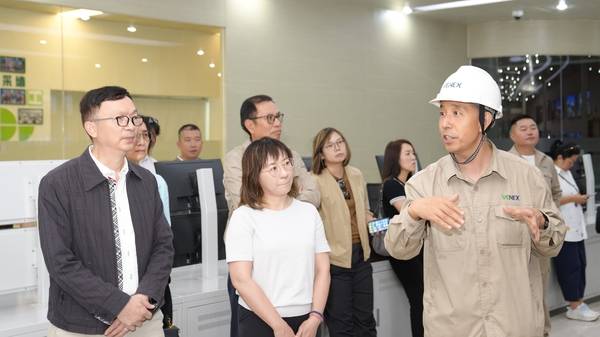
Towngas hosts Hong Kong government delegation at Inner Mongolia green methanol plant
Hong Kong's Transport and Logistics Bureau tours VENEX facility as green methanol capacity scales to 300,000 tonnes. |
|
|
|
||
|
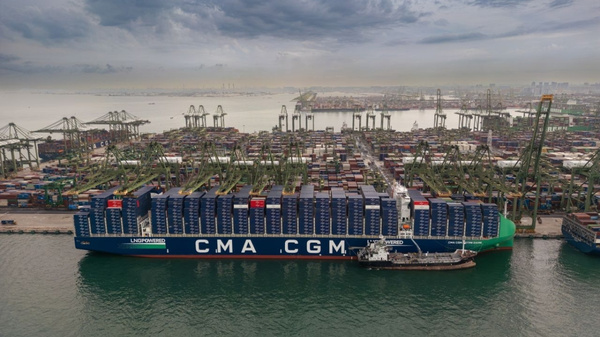
Singapore 12-month bunker calls hit all-time high in July
TTM calls at world's largest bunkering hub reach record levels despite softer sales volumes. |
|
|
|
||
|
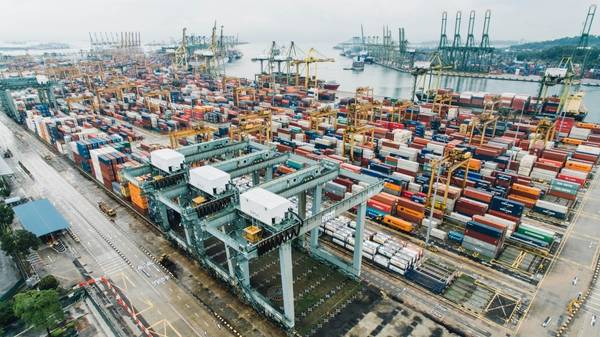
Singapore T3M bunker sales stay below 14m tonnes for fourth month running
Rolling three-month volumes remain subdued despite modest month-on-month recovery in July. |
|
|
|
||
|
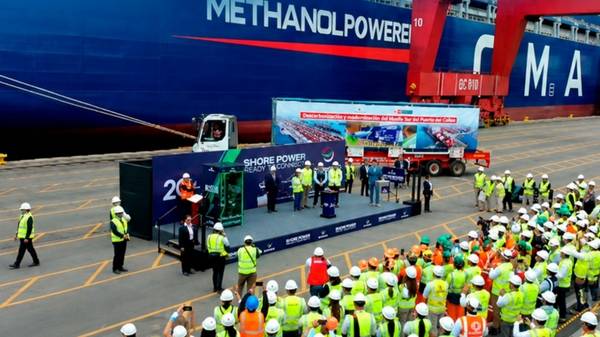
Peru’s Port of Callao launches first shore power system in Latin America
DP World Callao’s onshore power supply system could cut over 6,300 tonnes of CO₂ annually. |
|
|
|
||
|
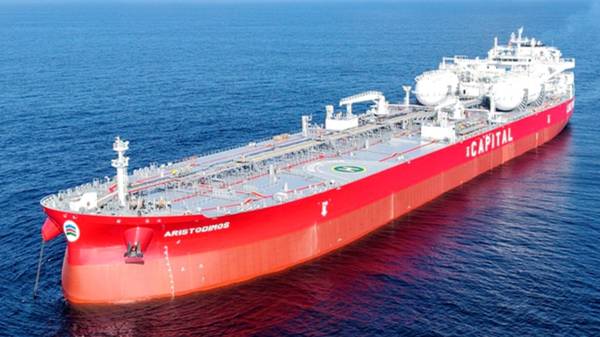
New Times Shipbuilding delivers LNG dual-fuel crude oil tanker to Capital
Chinese yard hands over 155,500-dwt vessel in ceremony attended by owner’s representative. |
|
|
|
||
| AIDAprima bunkered with 100% biofuel [News & Insights] |
| Gasum ups LNG supply capacity in ARA [News & Insights] |
| Hong Kong launches port dues and vessel registration incentives to boost green fuel bunkering [News & Insights] |
| Compliance pooling could help unlock investment in zero-emission marine fuels, says Getting to Zero Coalition [News & Insights] |
| Peninsula outlines case for bio-LNG as near-term emissions pathway for LNG-fuelled vessels [News & Insights] |
| Green fuel producers urge IMO to adopt Net-Zero Framework with e-fuel incentives [News & Insights] |
| Glencore to acquire majority stake in Dutch marine fuel supplier FincoEnergies [News & Insights] |