|
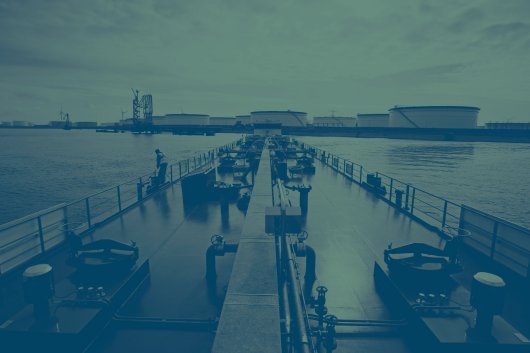
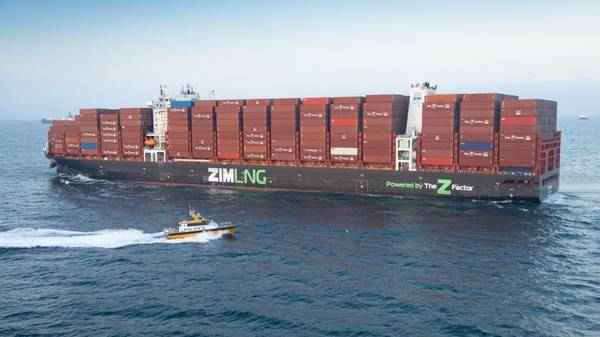
Los Angeles and Long Beach identify LNG and methanol as key near-term marine fuels
Joint feasibility study maps out demand projections and infrastructure needs to support cleaner shipping fuels at San Pedro Bay |
|
|
|
||
|
Christiania Energy welcomes student assistant to Copenhagen office
Alexander Treff joins marine fuels firm while studying international business at Copenhagen Business School. |
|
|
|
||
|
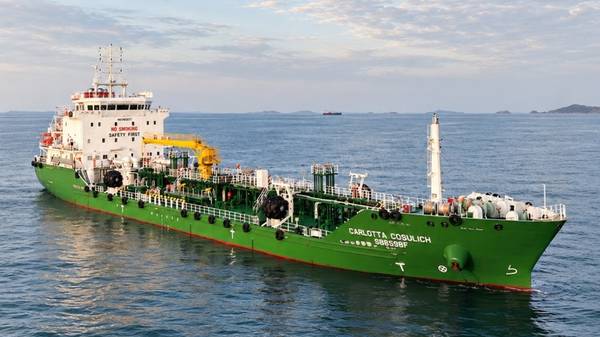
Cosulich Marine Energy takes delivery of third methanol-ready bunker tanker
Carlotta Cosulich joins the group’s fleet, bringing its four-vessel bunkering programme closer to completion. |
|
|
|
||
|
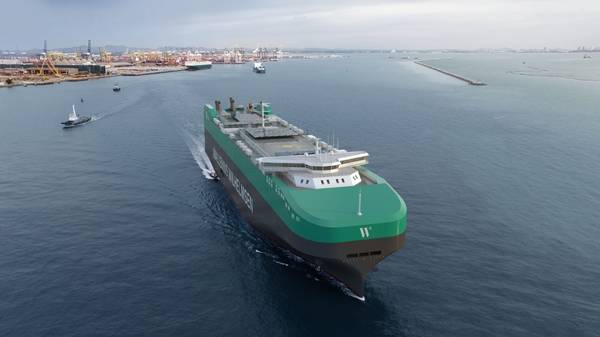
Wallenius Wilhelmsen orders four dual-fuel PCTCs, extends fleet renewal programme
Shipping firm signs for LNG-fuelled car carriers with options for eight more, with deliveries from 2030. |
|
|
|
||
|
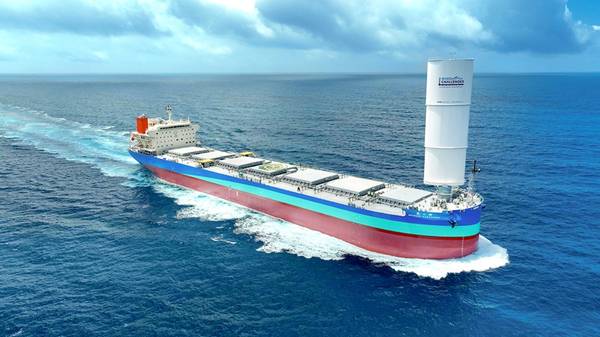
MOL takes delivery of Wind Challenger-equipped LNG dual-fuel coal carrier
LNG dual-fuel coal carrier with wind-assisted propulsion expected to cut CO₂ emissions by up to 30%. |
|
|
|
||
|
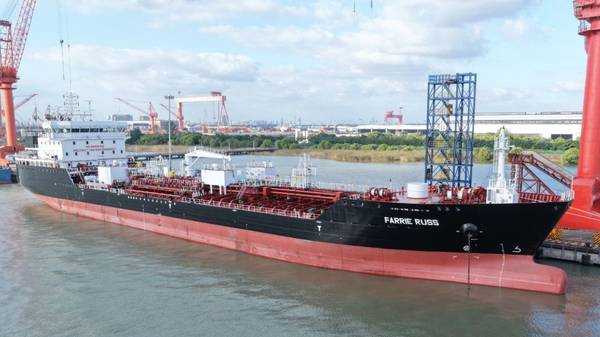
Ernst Russ takes delivery of second methanol-ready tanker
Farrie Russ joins Ernst Russ’s fleet as the shipowner diversifies into tanker shipping. |
|
|
|
||
|
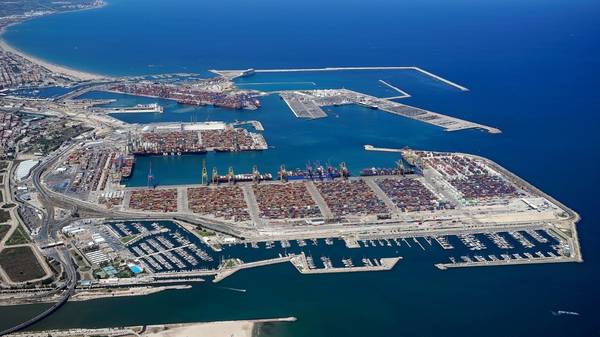
Valenciaport launches tender for second substation to double port's power capacity
The Port of València's new €18.7m substation will support onshore power supply systems and growing terminal electricity demand. |
|
|
|
||
|
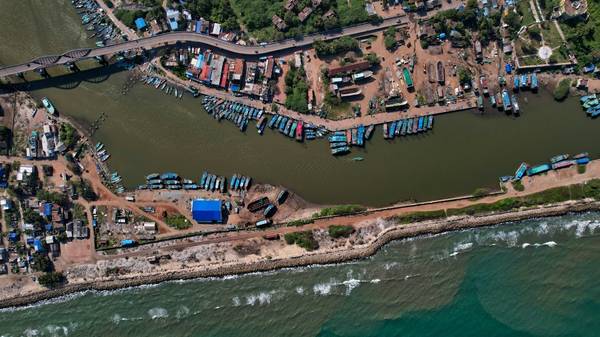
Study maps phased pathway for India to build a regional alternative marine fuel hub
India could compete regionally across biofuels, methanol and ammonia if ports improve efficiency and reduce costs, study finds. |
|
|
|
||
|
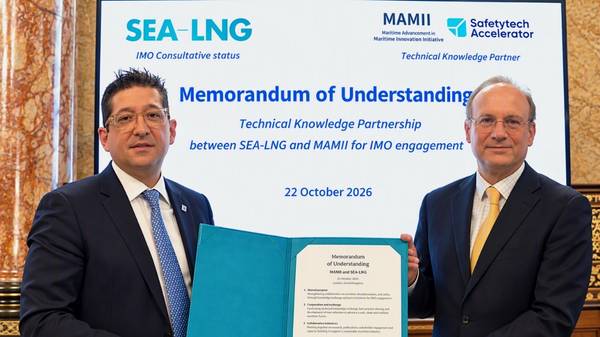
SEA-LNG and MAMII formalise technical partnership ahead of IMO methane talks
Two organisations sign MoU to strengthen evidence-based input on methane emissions at the IMO. |
|
|
|
||
|
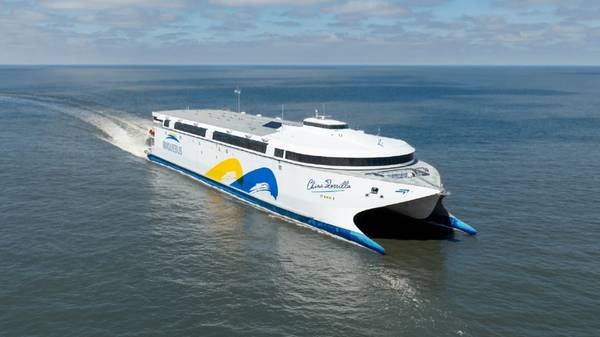
Battery-powered ferry China Zorrilla enters service in South America
Ro-pax vessel now operating between Argentina and Uruguay, powered by more than 41 MWh of Corvus Energy battery systems. |
|
|
|
||
| Iran set to halt fuel oil exports [News & Insights] |
| NIORDC says fuel oil exports will not be stopped [News & Insights] |
| Wallenius Wilhelmsen orders four dual-fuel PCTCs, extends fleet renewal programme [News & Insights] |
| WinGD signs long-term service deals covering 14 LNG carriers with three shipowners [News & Insights] |
| Wasaline secures locally produced biogas supply from St1 Biokraft for Vaasa–Umeå ferry [News & Insights] |
| Port of Riga and South Korea's Ecomethanol sign MoU on green methanol production [News & Insights] |
| WinGD signs ten-year service deal for six COSCO LNG carriers [News & Insights] |