|
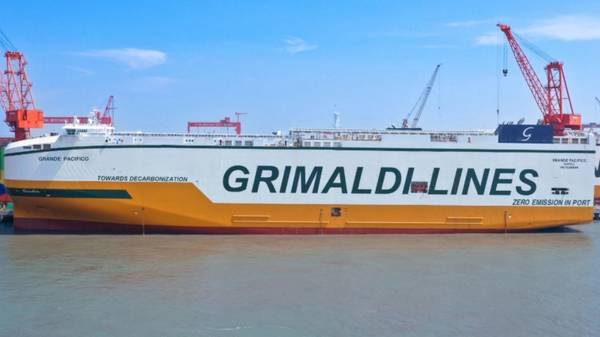
Grimaldi takes delivery of ammonia-ready Grande Pacifico
9,800-ceu ship is the largest PCTC in the Neapolitan Group’s fleet and the first of five sister vessels on order. |
|
|
|
||
|
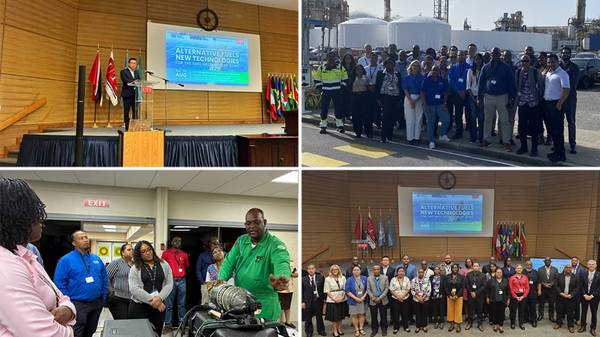
IMO seminar in Trinidad and Tobago trains Caribbean maritime educators for the alternative fuels era
A five-day regional seminar in Port of Spain addressed ammonia, methanol and hydrogen training for seafarers. |
|
|
|
||
|
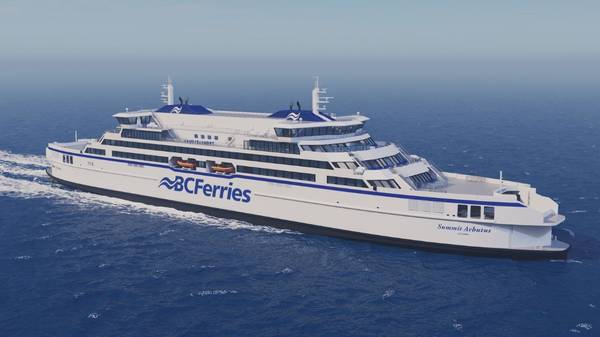
Corvus Energy wins 40 MWh battery contract for BC Ferries’ new biofuel-compatible Summit Class vessels
Norwegian battery supplier to power four new hybrid-electric ferries for Canada’s BC Ferries. |
|
|
|
||
|
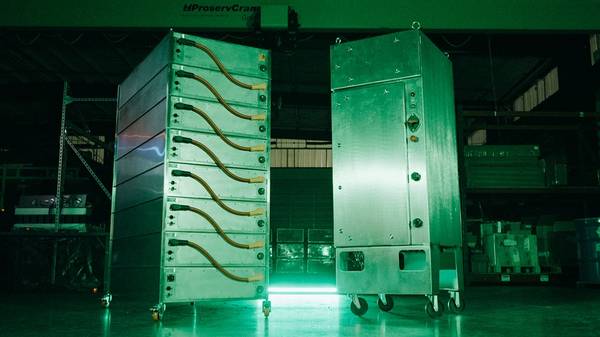
ABS issues product design assessment for Fleetzero’s Leviathan battery system
The first US-manufactured lithium iron phosphate marine battery system receives classification society approval. |
|
|
|
||
|
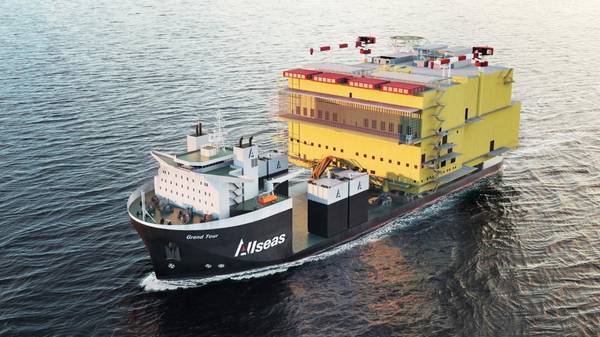
ABB wins power and propulsion contract for Allseas’ offshore wind support vessel
ABB will supply an integrated propulsion package for a new semi-submersible vessel supporting Europe’s offshore wind sector. |
|
|
|
||
|
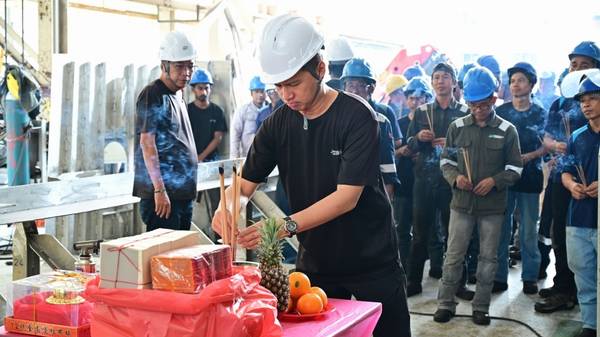
Pinnacle Marine lays keel for fifth B100-compatible harbour craft as Singapore fleet build-out reaches full construction phase
All five vessels in Pinnacle Marine's B100-compatible utility boat programme are now under construction. |
|
|
|
||
|
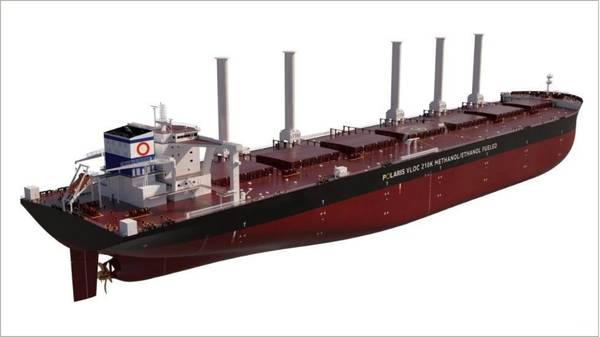
CSSC units sign contract for four tri-fuel ore carriers
Ships feature a tri-fuel propulsion system combining ethanol, methanol and fuel oil. |
|
|
|
||

|
Bunker One seeks oil derivatives trader for Houston desk
New hire to work alongside trading and sales, providing hedging solutions for physical exposure. |
|
|
|
||
|
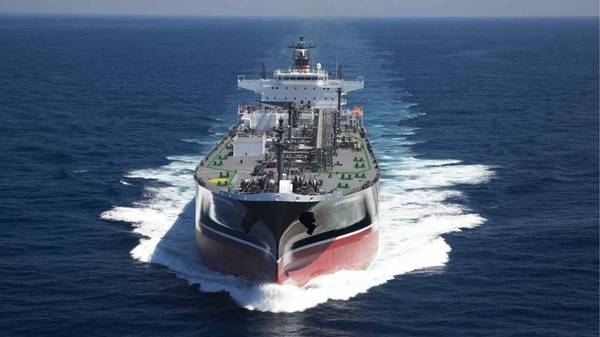
Kawasaki delivers 13th LPG-fuelled LPG/ammonia carrier
86,700-cbm vessel is shipbuilder's 20th delivery featuring LPG-fuel propulsion. |
|
|
|
||
|
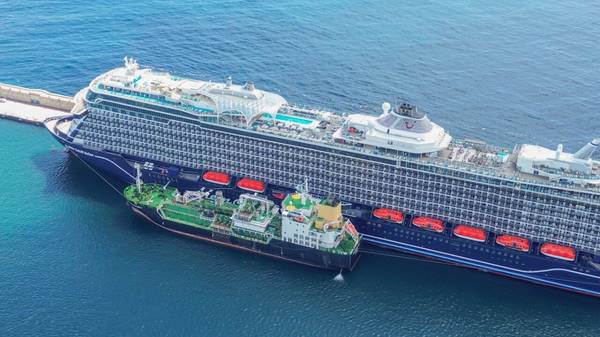
TUI Cruises puts both InTUItion-class ships on bio-LNG as fleet targets 50,000-tonne CO₂e saving in 2026
German cruise operator says bio-LNG use across two newbuilds has already cut 26,000 tonnes of CO₂e. |
|
|
|
||
| MEPC 73: IMO must renew commitment to Arctic HFO ban | CAA [News & Insights] |
| IMO moves forward with March 2020 fuel carriage ban [News & Insights] |
| IBIA to MEPC 73: Phased introduction ship has already sailed [News & Insights] |
| IMO approves Initial Strategy follow-up programme [News & Insights] |
| IBIA elects four board members for three-year terms [News & Insights] |
| IBIA and Greek shortsea shipowners sign cooperation agreement [News & Insights] |
| Peninsula lauds appointment of Jeroen De Vos as IBIA vice chair [News & Insights] |
| IBIA names Caroline Yang as chair of Asia regional board [News & Insights] |
| IBIA opens registration for 2026 annual convention in New York [News & Insights] |