
|
Agreement signed to bring shore power to Rotterdam shortsea terminal by 2030
Shore power partnership at Rotterdam’s RST terminal targets AFIR compliance and reduced ship emissions at berth by end of decade. |
|
|
|
||

|
Equatorial Marine Fuel receives dual sustainability recognitions in 2026
Singapore-based bunker firm earns the LowCarbonSG logo and an EcoVadis Bronze Medal. |
|
|
|
||
|
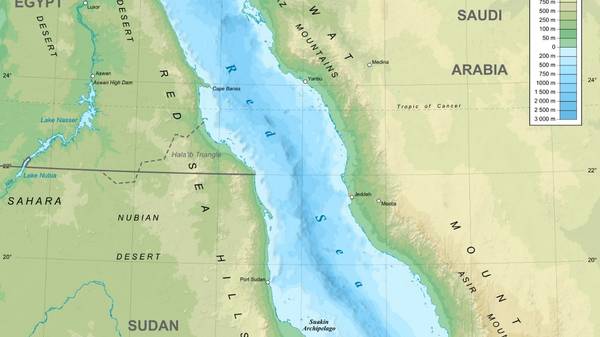
Red Sea diversions and Mediterranean emissions rules set to squeeze bunker supply, warns Peninsula
Bunker supplier Peninsula warns rerouted tankers face soaring fuel costs and regulatory penalties. |
|
|
|
||
|
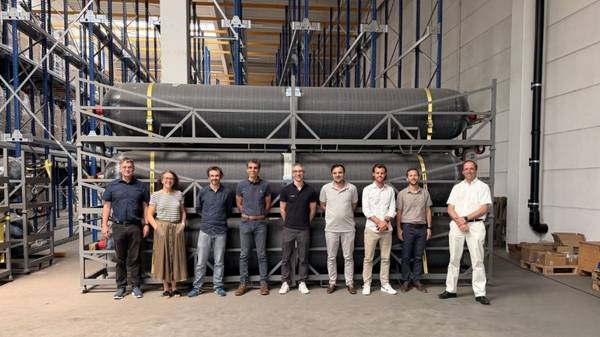
Hydrogen maritime workshop held to push early regulatory alignment
Classification society and French maritime authority explore pathways for hydrogen deployment at sea. |
|
|
|
||
|
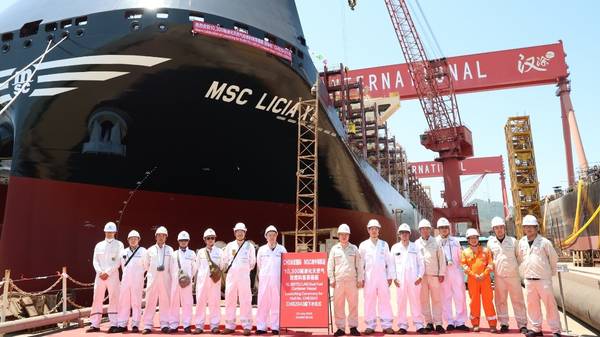
Changhong International undocks seventh LNG dual-fuel container ship for MSC
Vessel is part of a series fitted with ammonia-ready and methanol-ready provisions. |
|
|
|
||
|
IBIA urges further investigation into marine fuel concerns linked to shale oil components
Industry body says evidence does not establish a direct link between shale oil and reported operational issues. |
|
|
|
||
|
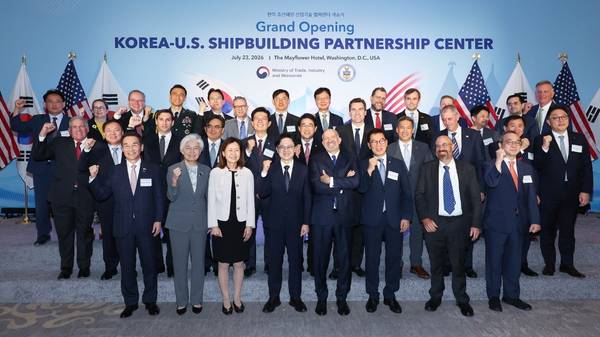
ABS grants AiP for LNG bunkering barge design
Samsung Heavy Industries and Conrad Shipyard receive AiP for basic design under joint development. |
|
|
|
||
|
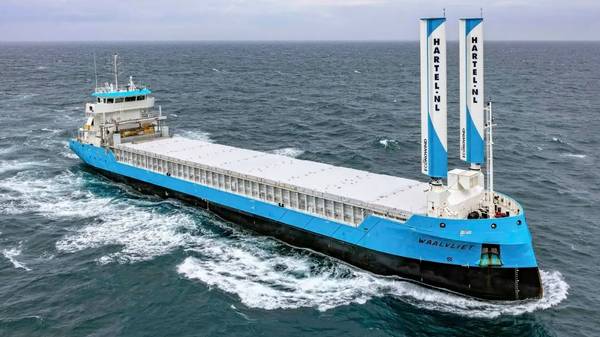
ABB and Econowind combine wind propulsion with digital routing to cut ship emissions
The partnership integrates wind-assisted propulsion with weather routing to reduce fuel consumption. |
|
|
|
||
|
Peninsula seeks junior cargo trader for Dubai role
Position centres on the procurement of marine fuels, blending components and associated products. |
|
|
|
||
|
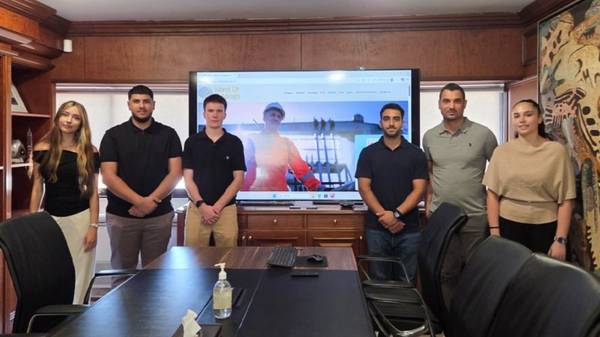
Island Oil opens operations to students in summer internship programme
Cyprus-based firm gives students hands-on experience across its bunker business. |
|
|
|
||
| Petrobras approves IPO for fuel distribution unit [News & Insights] |
| Aurora Expeditions claims 90% GHG reduction in landmark HVO trials [News & Insights] |
| 2025 Marine Fuel Review | Steve Bee, VPS [News & Insights] |
| The emergence of B100 FAME in a volatile distillate market | Paul Hoather, VPS [News & Insights] |
| Wallenius Sol joins Gasum's FuelEU Maritime compliance pool as bio-LNG generator [News & Insights] |
| Sallaum Lines orders four 8,600-ceu dual-fuel PCTCs from Chinese yard — its largest vessels to date [News & Insights] |

