
 |
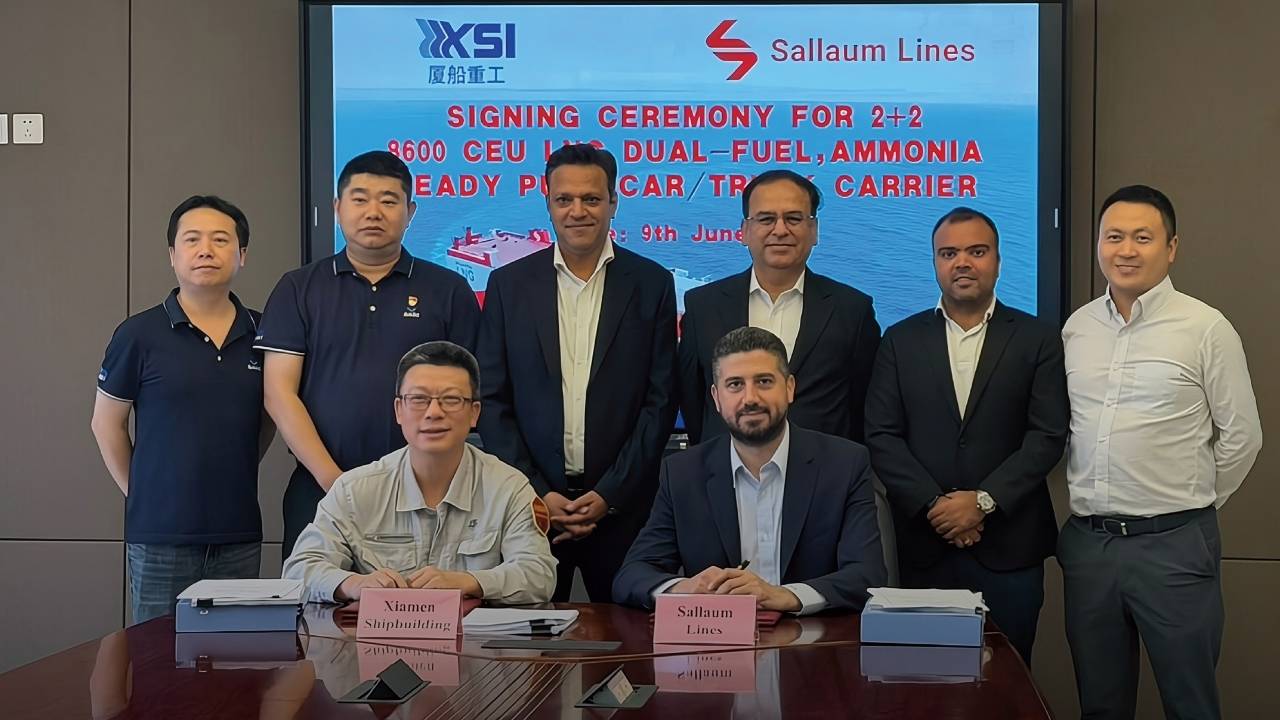
Sallaum Lines has signed a shipbuilding contract with Xiamen Shipbuilding Industry Co., Ltd. (XSI) for four pure car and truck carriers (PCTCs), each with a capacity of 8,600 car equivalent units (CEU) — the largest vessels the Norwegian-headquartered car carrier operator has ordered to date.
The contract covers a 2+2 arrangement of firm orders. Each vessel will measure 199.90 metres in length overall, with a beam of 38 metres and an air draught of 46 metres. Five liftable decks will allow the ships to carry a range of cargo types, from passenger cars and light commercial vehicles to heavy rolling equipment and project cargo.
The order follows the recent delivery of Sallaum Lines’ newest LNG dual-fuel vessels and forms part of what the firm describes as an accelerating fleet renewal programme.
Dual-fuel and ammonia-ready design
The new PCTCs will be equipped with dual-fuel engines capable of operating on LNG, very-low-sulphur fuel oil (VLSFO), and marine gas oil (MGO). The vessels will also carry an ammonia-ready designation, positioning them for potential future conversion as green ammonia supply chains develop.
According to Sallaum Lines, the design is intended to align with IMO 2030 targets and the direction of the EU Green Deal, as well as the company’s stated ambition to reach carbon neutrality by 2050.
The order builds on a broader set of fleet sustainability measures that Sallaum Lines says it has been pursuing, including the introduction of LNG-powered vessels into its Ocean Class fleet, the installation of photovoltaic systems on board, advanced hull lubrication technology, and a self-polishing anti-fouling paint regime across the fleet.
Commercial rationale
Hasan Sallaum, Director of Sallaum Lines, stated: “This order is an important step in the next chapter of Sallaum Lines. These vessels are not only an expansion of our fleet; they reflect the direction of our business and the responsibility we have towards our customers, our partners, and the future of shipping. With larger capacity, dual-fuel capability, and an ammonia-ready design, these ships give us the flexibility to serve growing market demand while continuing to invest in lower-emission transportation. For us, sustainability and commercial growth are not separate ambitions; they must move forward together.”
Sallaum Lines says the additional capacity will support its established trade lanes across Europe, the Americas, Africa, and the Middle East, while also strengthening its position among Chinese automotive exporters through its dedicated China operations office and Far East trade lane development. The company serves a portfolio of global automotive original equipment manufacturers (OEMs).
|
IBIA to host ethanol marine fuel workshop in New York
Limited-capacity session will examine ethanol’s commercial, technical and regulatory prospects as a shipping fuel. |
|
|
|
||
|
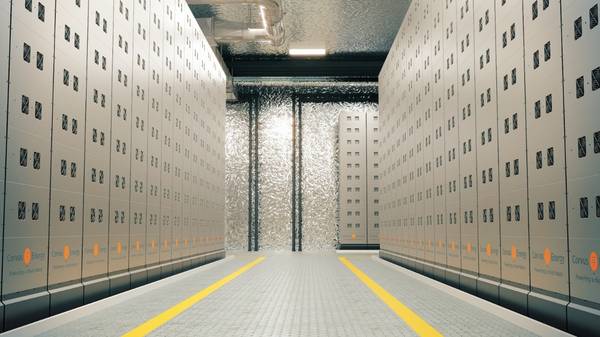
Corvus Energy’s Blue Whale NxtGen battery system gains DNV type approval
DNV approval confirms the safety and performance of Corvus Energy’s large-scale battery system for ferries, cruise ships and offshore vessels. |
|
|
|
||
|
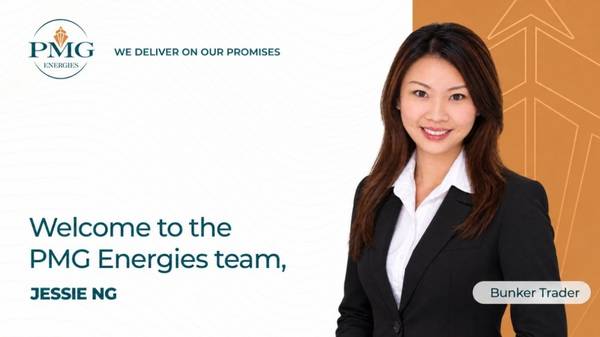
PMG Energies appoints Jessie Ng as bunker trader in Singapore
Bunker firm adds experienced trader to Singapore team. |
|
|
|
||
|
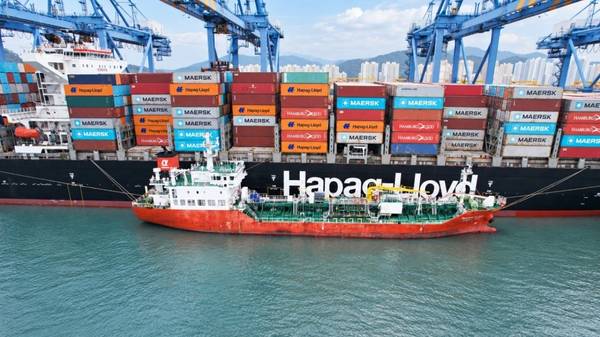
Hapag-Lloyd completes simultaneous-operations biomethanol bunkering in Busan
Container line bunkers ISCC EU-certified biomethanol from Goldwind during SIMOPS, advancing its 2024 supply agreement. |
|
|
|
||
|
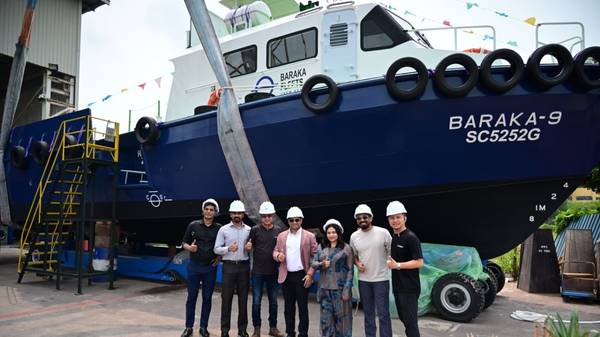
Pinnacle Marine launches B100-compatible harbour craft Baraka-9 for Trans Wave
Singapore shipbuilder adds another biodiesel-ready vessel to a fleet renewal programme aimed at harbour craft decarbonisation. |
|
|
|
||
|
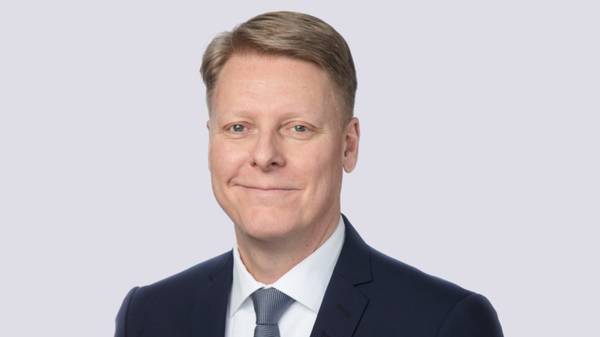
Glander International Bunkering creates European commercial director role, appoints Rune Kongstein
Marine fuels firm is aligning its European operations under a single commercial leadership structure. |
|
|
|
||
|
VPS to run marine fuel management course in the Netherlands this November
Two-day training programme covers fuel quality, handling and decarbonisation regulations. |
|
|
|
||
|
Wind-assisted propulsion 'no longer just a concept', ICS panel says
Shipowners weigh wind power as a practical, low-risk route towards decarbonisation targets. |
|
|
|
||
|
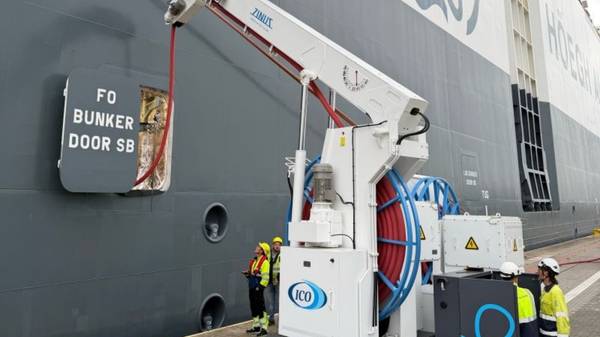
Höegh Autoliners vessel connects to shore power for the first time in Europe
Höegh Starlight used 11 kV shore power in Zeebrugge, allowing it to switch off its auxiliary engines while alongside. |
|
|
|
||
|
Chinese shipbuilder ROC signs deal for up to eight methanol-ready CSOVs
Contract signed with European shipowner for vessels designed for offshore wind farm maintenance work. |
|
|
|
||
| Pinnacle Marine launches B100-compatible harbour craft Baraka-9 for Trans Wave [News & Insights] |
| Höegh Autoliners vessel connects to shore power for the first time in Europe [News & Insights] |
| Höegh Autoliners vessel connects to shore power for the first time in Europe [News & Insights] |
| Chinese shipbuilder ROC signs deal for up to eight methanol-ready CSOVs [News & Insights] |
| Chinese shipbuilder ROC signs deal for up to eight methanol-ready CSOVs [News & Insights] |
