
|
Propeller Fuels and Proteus Supply and Trading form commercial partnership to expand Americas coverage
US-based Proteus and UK-based Propeller Fuels unite operations across the Americas and beyond. |
|
|
|
||
|
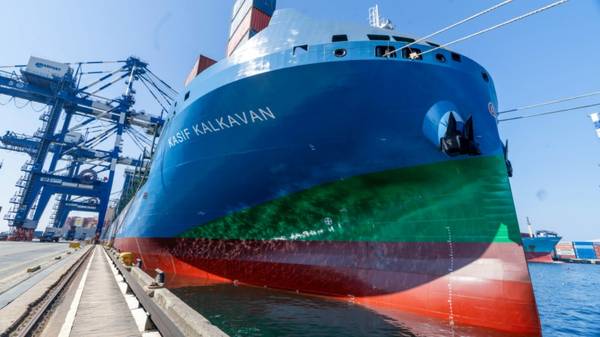
Turkon Line’s LNG-powered Kaşif Kalkavan makes maiden call at Marport
Türkiye’s largest domestically built LNG-fuelled container ship has docked at Marport for the first time. |
|
|
|
||

|
Flex Commodities appoints Vinoth Kumar as general accountant
Dubai-based bunker trader strengthens finance team with new accounting hire. |
|
|
|
||
|
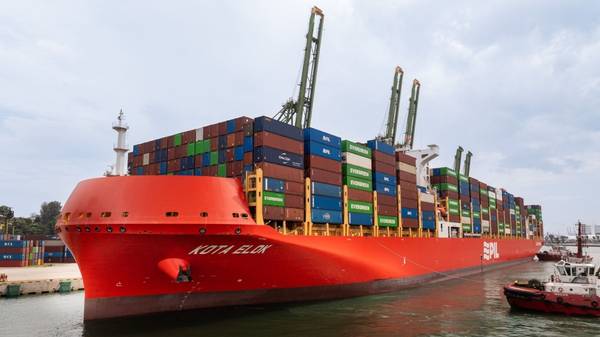
PIL's first LNG dual-fuel boxship receives cybersecurity certification on Singapore maiden call
Pacific International Lines' 13,000-teu vessel Kota Elok becomes the first PIL ship certified to IACS cyber-resilience standards. |
|
|
|
||
|
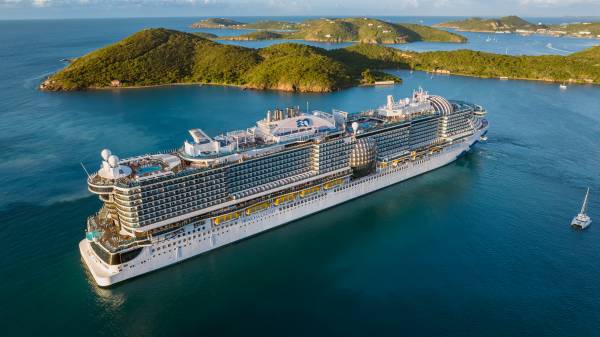
Wärtsilä and Carnival Corporation sign 8-year lifecycle agreement for LNG-fuelled cruise vessels
Deal covers four vessels across the Princess Cruises and Carnival Cruise Line fleets. |
|
|
|
||
|
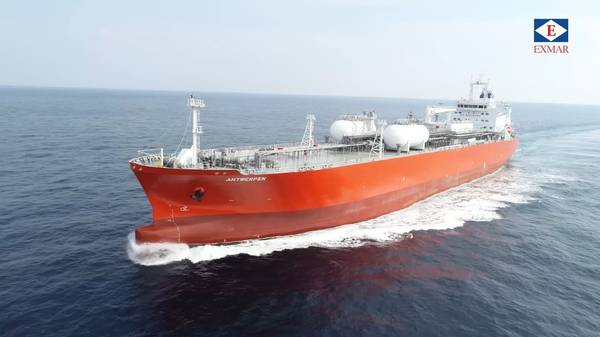
Exmar vessel completes first commercial voyage on ammonia dual-fuel
Antwerpen sailed from China to India using ammonia in dual-fuel mode during commercial service. |
|
|
|
||
|
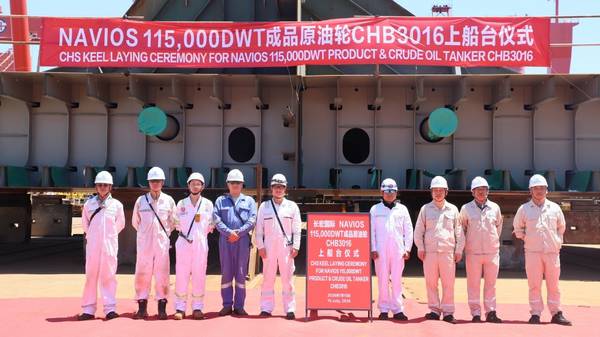
Changhong International launches ninth LR2 tanker in Navios series
Vessel includes future methanol and LNG conversion capability as well as shore power provision. |
|
|
|
||
|
European shipowners back EU ETS revenue earmarking but warn proposal falls short on clean technology support
ECSA welcomes fuel support and revenue earmarking but calls for broader technology eligibility and a clear IMO withdrawal clause. |
|
|
|
||

|
WSC backs EU ETS fuel revenue reinvestment but warns over port competitiveness rules
The World Shipping Council welcomes proposed ETS fuel mechanism changes but flags concerns over neighbouring port proposals. |
|
|
|
||
|
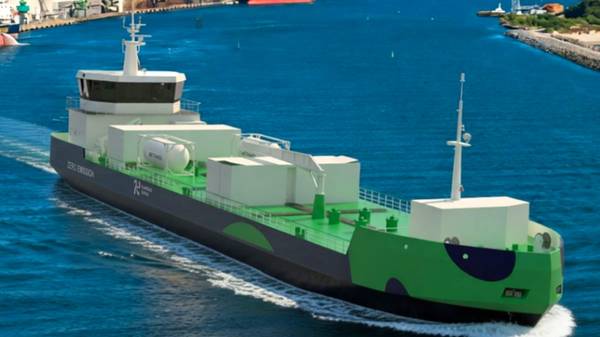
Western Baltic Engineering unveils green methanol bunkering vessel concept for Klaipėda
Concept vessel design features an 800-tonne capacity and annual supply potential of 250,000 tonnes. |
|
|
|
||
| Gazprom Neft and Sovcomflot sign marine lube supply agreement [News & Insights] |
| Permit obtained for St Petersburg fuel terminal project [News & Insights] |
| Nayada joins Russian bunker association [News & Insights] |
| Gazprom strengthens its position in the LNG sector [News & Insights] |
| Gazpromneft Marine Bunker performs first quayside delivery at Bronka [News & Insights] |
| LNG London completes 1,000 bunkering operations in Rotterdam and Antwerp [News & Insights] |
| Anew Climate and Seaspan Energy complete first bio-LNG STS loading in Long Beach [News & Insights] |
| Steel cutting begins on 8,400-teu LNG dual-fuel container vessel [News & Insights] |
| Zhoushan becomes world's third-largest bunker port [News & Insights] |
| Dalian Shipbuilding begins construction on LNG dual-fuel crude tanker [News & Insights] |

