

|
Uni-Fuels appoints general manager for new Houston operation
Experienced professional Robert Love aiming to expand the company’s presence in the United States. |
|
|
|
||

|
Sing Fuels hiring junior supply trader for Singapore operations
Role aimed at candidates with one to two years of experience in marine fuels or the wider maritime industry. |
|
|
|
||
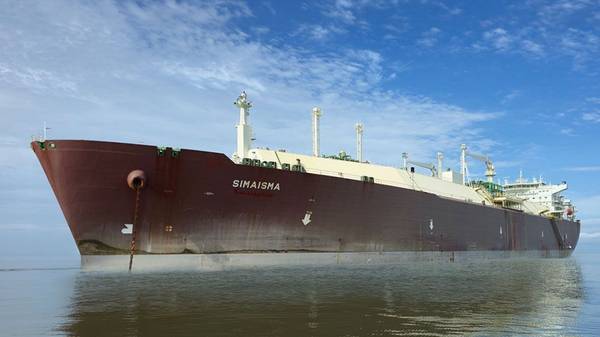
|
Exmar takes delivery of LNG carrier to serve the bunkering market
Vessel to be convered into a floating transshipment unit for specialised LNG bunkering vessels to load fuel. |
|
|
|
||
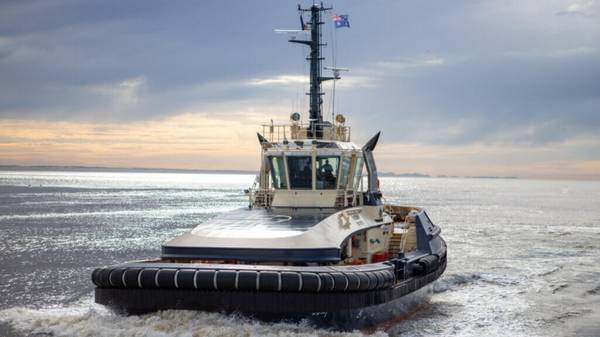
|
Svitzer signs contract with India’s SDHI for four biofuel-ready TRAnsverse tugs
Four 32-metre TRAnsverse 3200 tugs ordered from Gujarat-based shipbuilder. |
|
|
|
||

|
Petrobras launches barge supply operations at the Port of Suape
Supplier has begun VLSFO and LSMGO barge deliveries at the Brazilian port following receipt of final operational licences. |
|
|
|
||
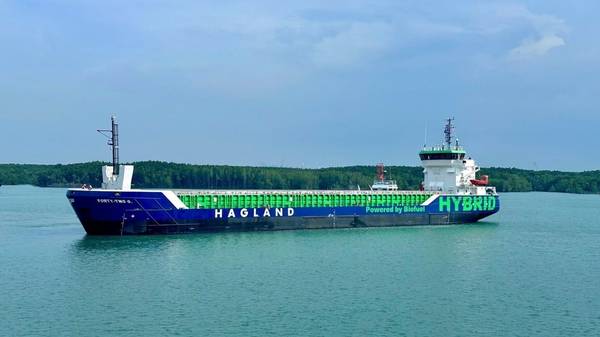
|
Hagland Shipping takes B100-capable Damen CF 3850 on time charter from Reederei Gerdes
Norwegian dry bulk operator adds short-sea vessel with the ability to operate on B100 biodiesel. |
|
|
|
||
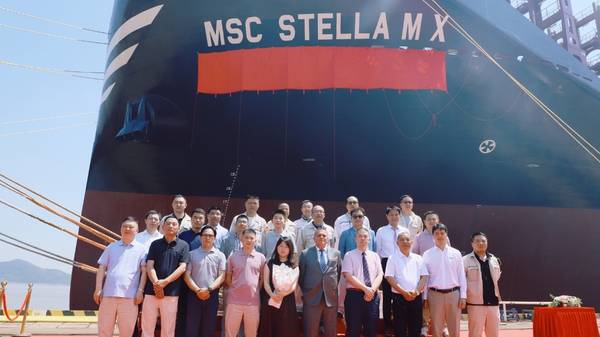
|
Chinese shipyard delivers LNG dual-fuel container ship to MSC 301 days ahead of schedule
Zhoushan Changhong sets new early-delivery record for its series of LNG dual-fuel boxships. |
|
|
|
||
|
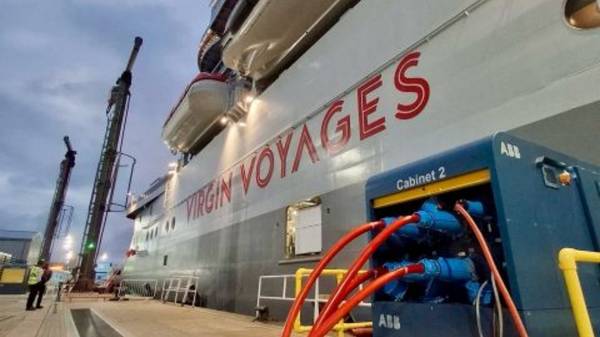
Portsmouth International Port makes first commercial shore power connection with cruise ship
Virgin Voyages’ Valiant Lady plugs into Portsmouth International Port’s shore power system, with two ships connected simultaneously. |
|
|
|
||

|
EmissionLink calls for fairer EU ETS expansion and greater reinvestment in maritime decarbonisation
Emissions compliance specialist warns that broader coverage alone will not deliver practical decarbonisation. |
|
|
|
||
|
Peninsula and Evos sign MoU to develop biofuel storage at Algeciras terminal
Partnership aims to develop up to 60,000 cbm of dedicated biofuel storage capacity at the Strait of Gibraltar. |
|
|
|
||
| Somtrans christens 8,000-cbm LNG bunker barge for Belgian and Dutch ports [News & Insights] |
| Four countries propose Arctic fuel measure to cut black carbon from shipping [News & Insights] |
| PIL's first LNG dual-fuel boxship receives cybersecurity certification on Singapore maiden call [News & Insights] |
| Lloyd’s Register grants approval in principle to GTT’s CUBIQ LNG fuel tank design [News & Insights] |
| ICS survey shows maritime leaders favour LNG as industry awaits IMO net-zero vote [News & Insights] |

